Logo for Think from KERA

Think from KERA

KERA

Think is a daily, topic-driven interview and call-in program hosted by Krys Boyd covering a wide variety of topics ranging from history, politics, current events, science, technology and emerging trends to food and wine, travel, adventure, and entertainment.


071003

Think is a daily, topic-driven interview and call-in program hosted by Krys Boyd covering a wide variety of topics ranging from history, politics, current events, science, technology and emerging trends to food and wine, travel, adventure, and entertainment.
071003
716hr 39min
Thumbnail for "Climate change and its new ethical dilemmas".
Travis Rieder, faculty member at the Johns Hopkins Berman Institute of Bioethics, joins host Krys Boyd to discuss our everyday challenges and the moral quandaries they put us in, and how to do the decent thing in a global and complex world.
Thumbnail for "Iran is a forever war".
Ali Vaez joins guest host Paige Phelps to discuss why both Iran and the U.S. have dug into a war that seems indefinite and unwinnable.
Thumbnail for "The CDC is barely hanging on".
Apoorva Mandavill joins guest host Paige Phelps to discuss the once-revered CDC that is now a skeleton of its former self.
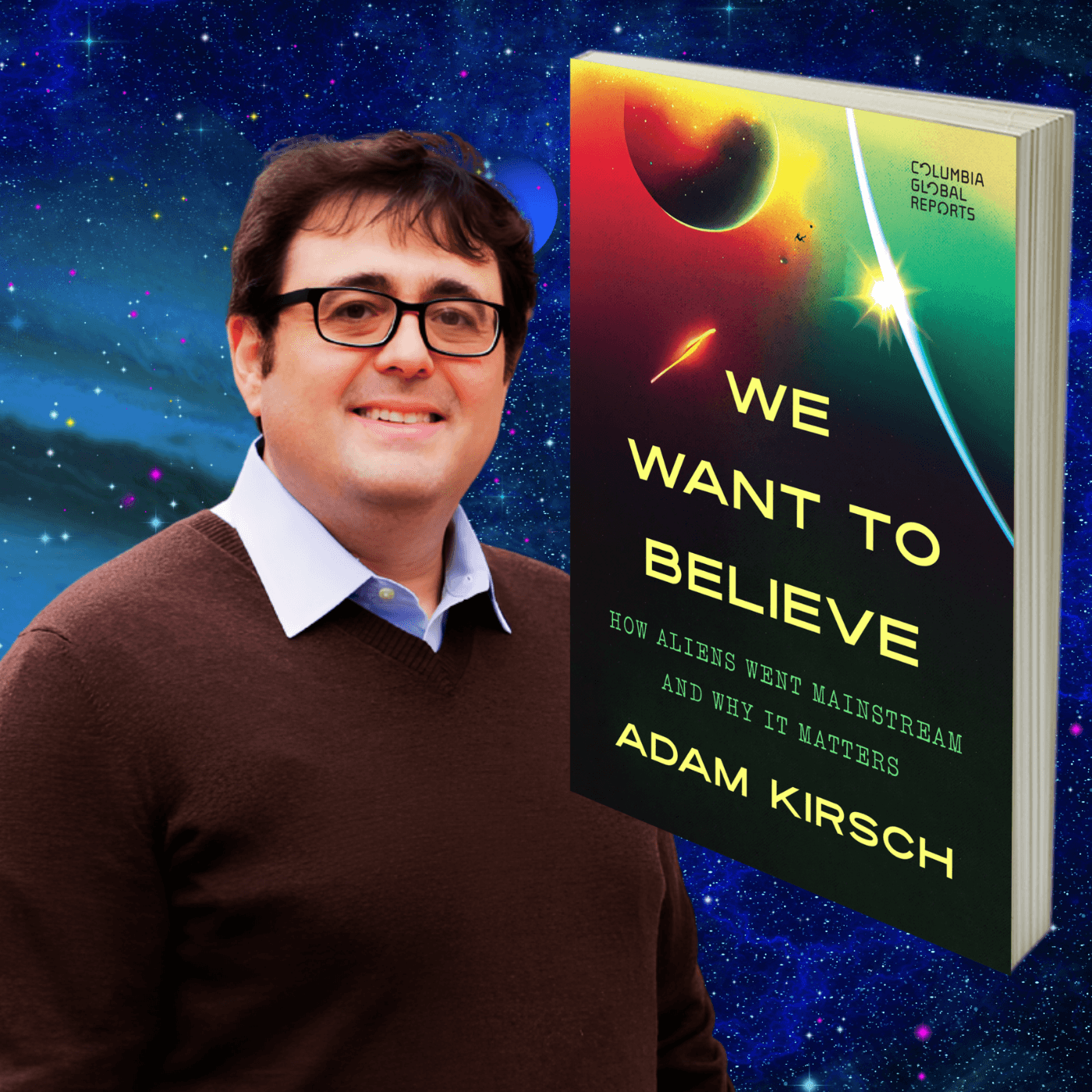
Thumbnail for "We want to believe in UFOs".
Adam Kirsch joins guest host Paige Phelps to discuss the search for life in the cosmos.
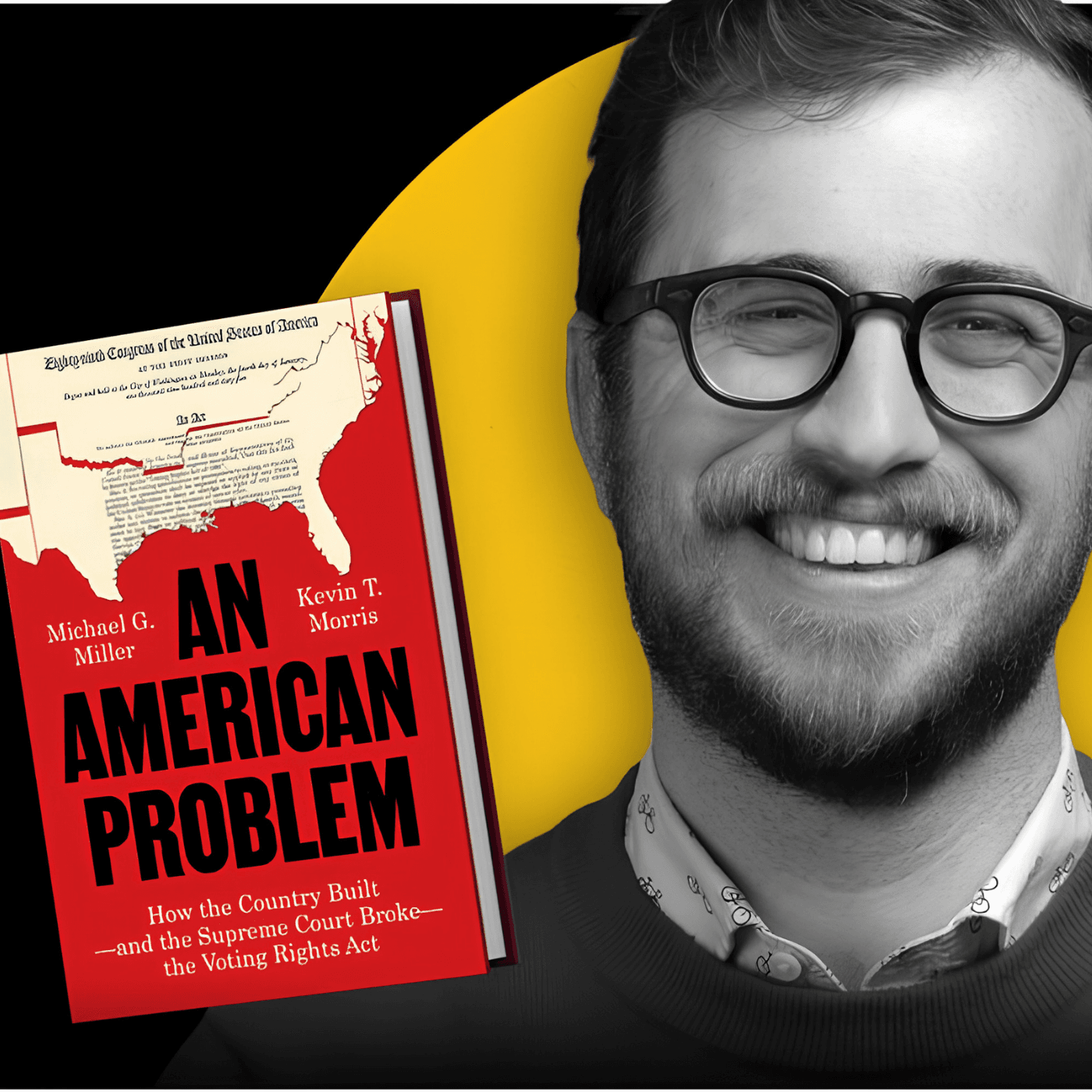
Thumbnail for "We’ve gutted voting rights".
Kevin Morris, senior research fellow and voting policy scholar at the Brennan Center for Justice at New York University School of Law, joins host Krys Boyd to discuss what the Voting Rights Act did for representational democracy across the country.
Thumbnail for "Even blueberries aren’t safe from China’s IP thieves".
Jon Emont joins host Krys Boyd to discuss how Driscoll’s berries sought to corner the Asian market with a new fruit but found its plant cuttings stolen.
Thumbnail for "It's way too easy for chat bots to make bioweapons".
Carl Zimmer writes the Origins column and covers news about science as a freelance contributor to The New York Times. He joins host Krys Boyd to discuss why scientists are concerned about the potential for chatbots to make pathogens more deadly.
Thumbnail for "All y’all have accents".
Whether you notice it or not, you speak with an accent. Valerie Fridland, professor of linguistics, discusses why some are fading away, and more.
Thumbnail for "Your perfect person doesn’t have to be perfect".
Social psychologist Paul Eastwick discusses discuss why we need to look past imperfections when choosing a mate.
Thumbnail for "The government insiders who rebelled against DOGE".
Michael Lewis joins host Krys Boyd to discuss the people known as “blockers” who called out DOGE on its illegality.
Thumbnail for "How do you define color?".
Lexicographer Kory Stamper discusses the difficulty of defining colors and why it took the help of scientists to create descriptions of everything around us.
Thumbnail for "Like — literally the most misunderstood word".
Megan C. Reynolds, editor at Dwell magazine, joins host Krys Boyd to discuss one little word that defines so much of modern speech: like.
Thumbnail for "How vulnerability strengthens relationships".
Leslie John, James E. Burke Professor of Business Administration at the Harvard Business School, discusses why sharing our feelings garners trust.
Thumbnail for "Should pseudoscience be taken seriously?".
Matthew Hongoltz-Hetling joins host Krys Boyd to discuss a pushback against the scientific establishment, what our affinity for storytelling has to do with our long-held beliefs, and why the paranormal might need to be taken seriously in the future.
Thumbnail for "It’s easy to bet on sports. It’s hard not to get hooked".
McKay Coppins, staff writer at The Atlantic, discusses how his magazine gave him $10,000 to use as seed money as he explored the rise of online sports gambling.
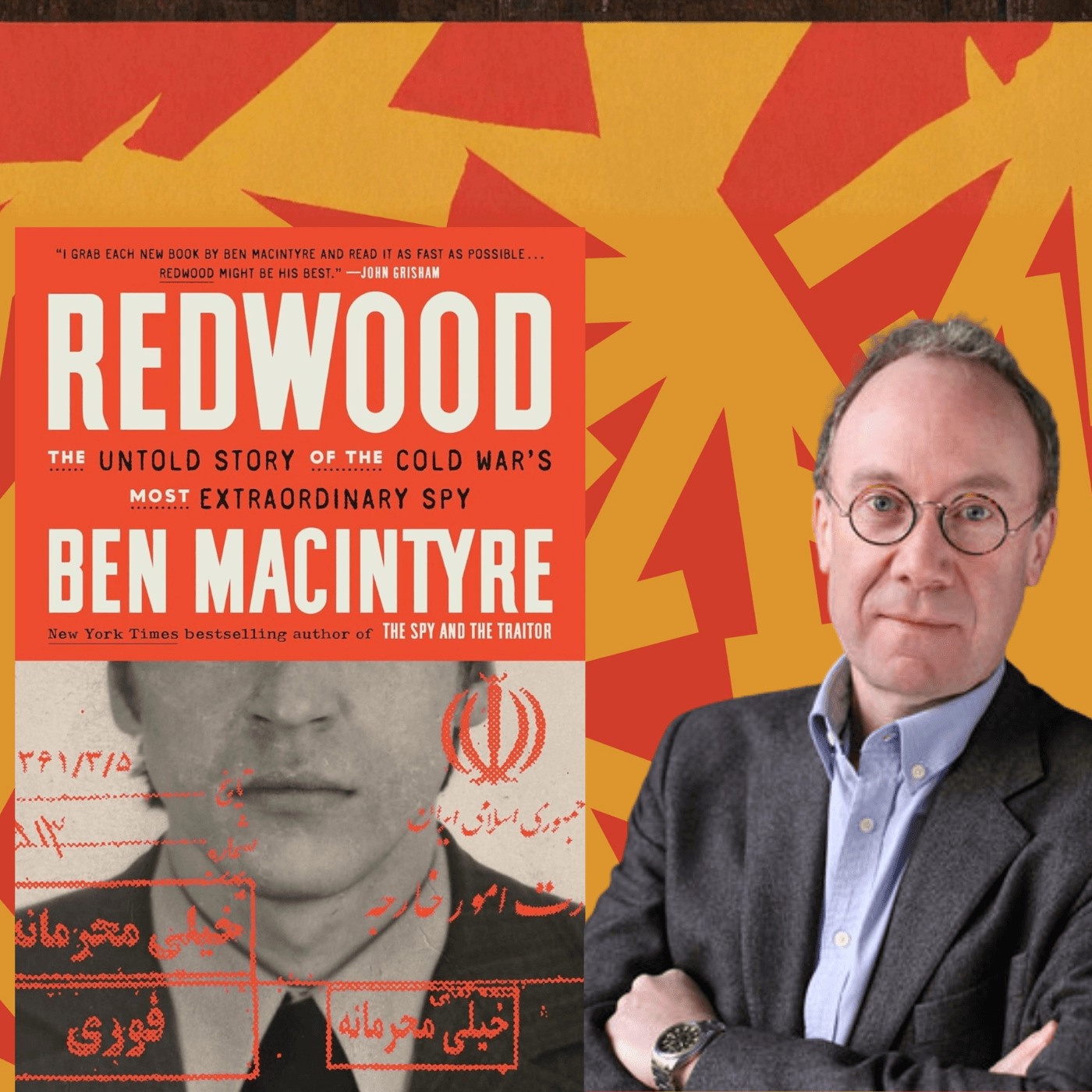
Thumbnail for "The spy who saved us from nuclear war".
Ben McIntyre joins guest host John McCaa to discuss the man with the code name “Redwood.”
Thumbnail for "Who’s getting rich off of U.S. foreign policy?".
Anne Applebaum, staff writer at The Atlantic, joins guest host John McCaa to talk about her reporting during which she’s witnessed government workers – under the guise of diplomatic efforts – making self-serving deals with short-term goals.
Thumbnail for "How natural disasters survivors connect with each other".
David Gelles joins guest host Courtney Collins to discuss Extreme Weather Survivors, a nationwide support group for families upended by climate disasters.
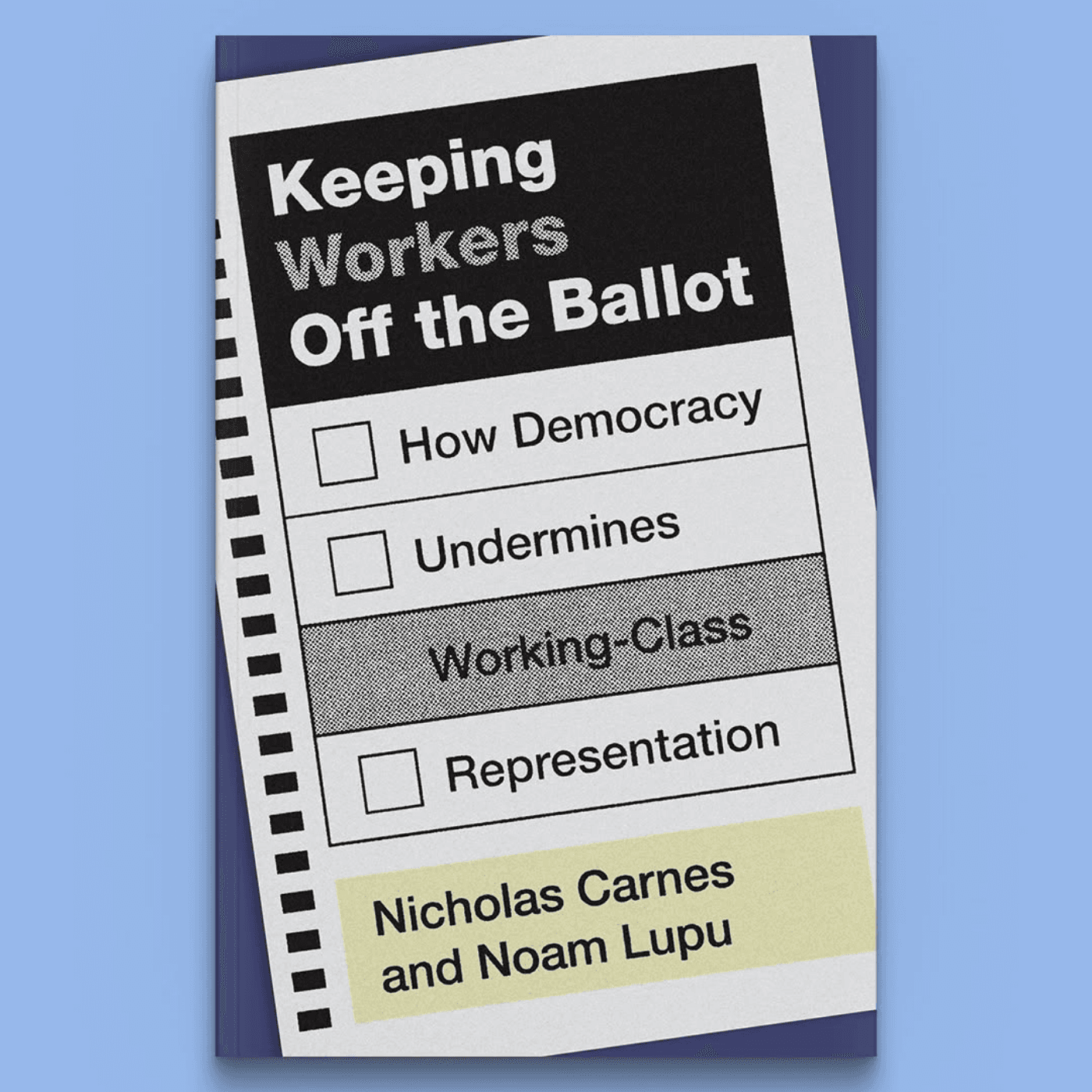
Thumbnail for "Where are the working class candidates?".
Nicholas Carnes joins guest host Courtney Collins to discuss why ordinary citizens are not offered a seat at the table when it comes to politics.
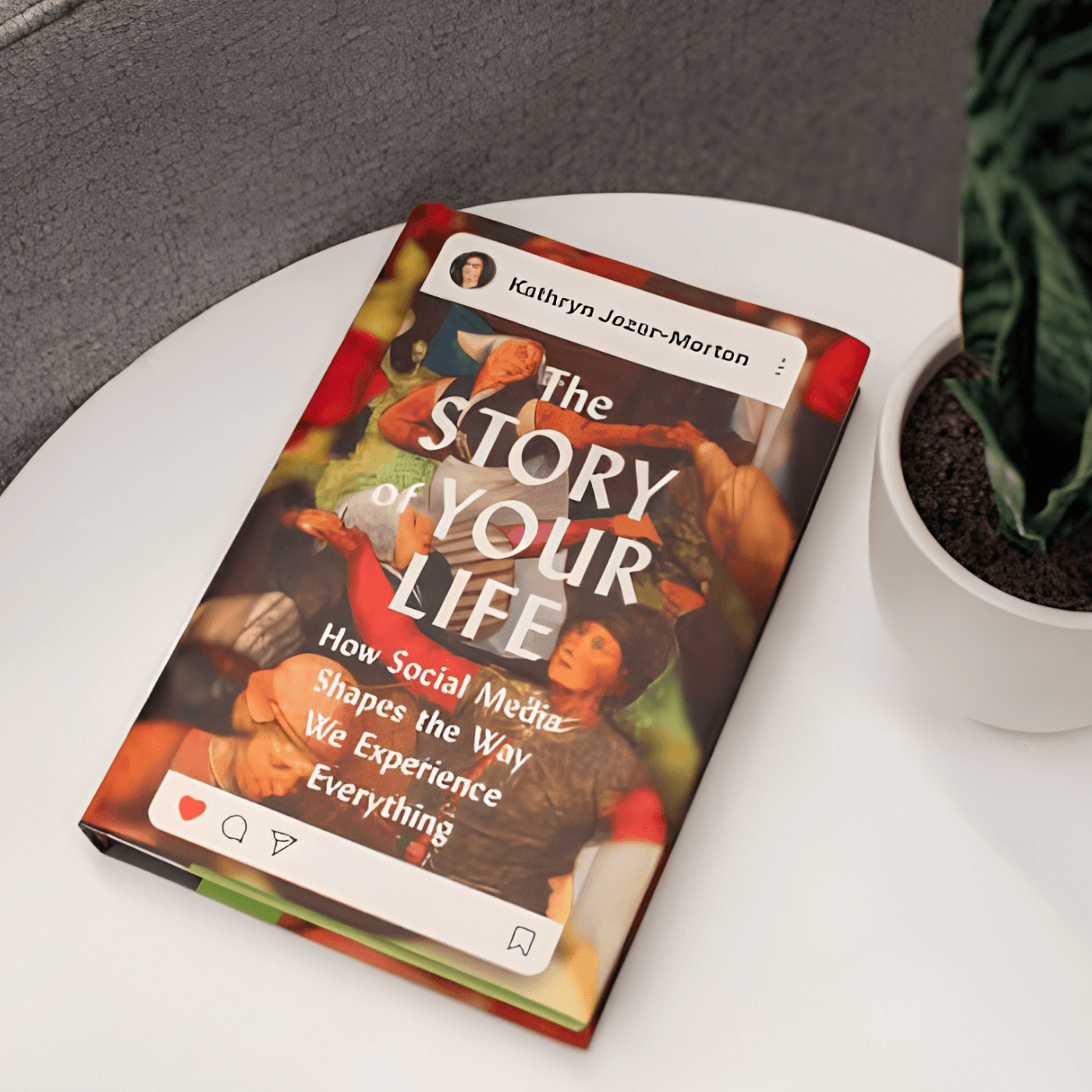
Thumbnail for "What does your social media say about you?".
Kathryn Jezer-Morton joins guest host Courtney Collins to discuss how capturing content shapes the way we live.
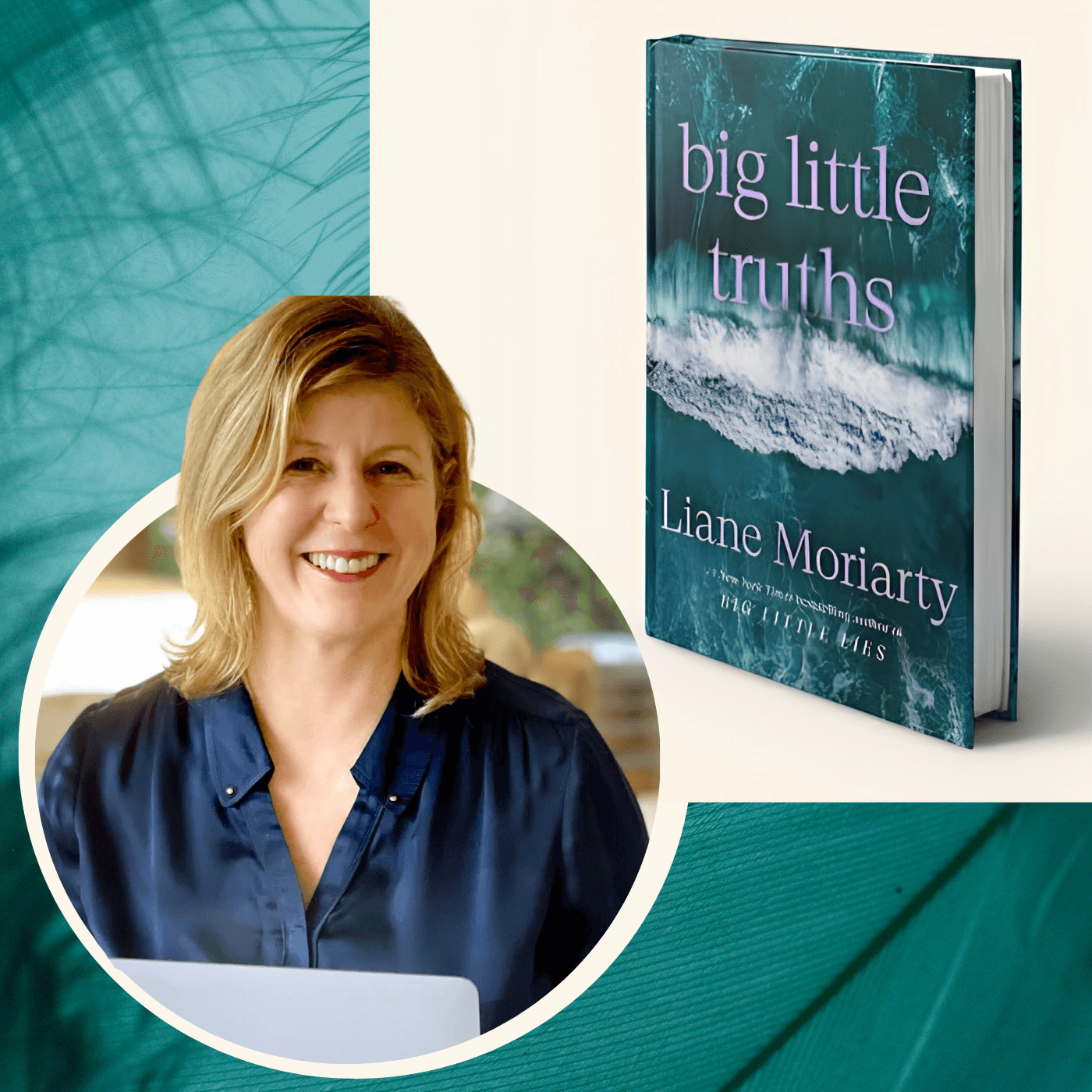
Thumbnail for "The Big Little Lies sequel is out".
Liane Moriarty joins host Krys Boyd to talk about crafting characters that readers can’t get enough of and how her large family shapes her work.
Thumbnail for "Election denial is reaching the grass roots".
Toluse Olorunnipa joins host Krys Boyd to discuss efforts to sew doubt into the election process and concerns about a smooth midterm election in November.
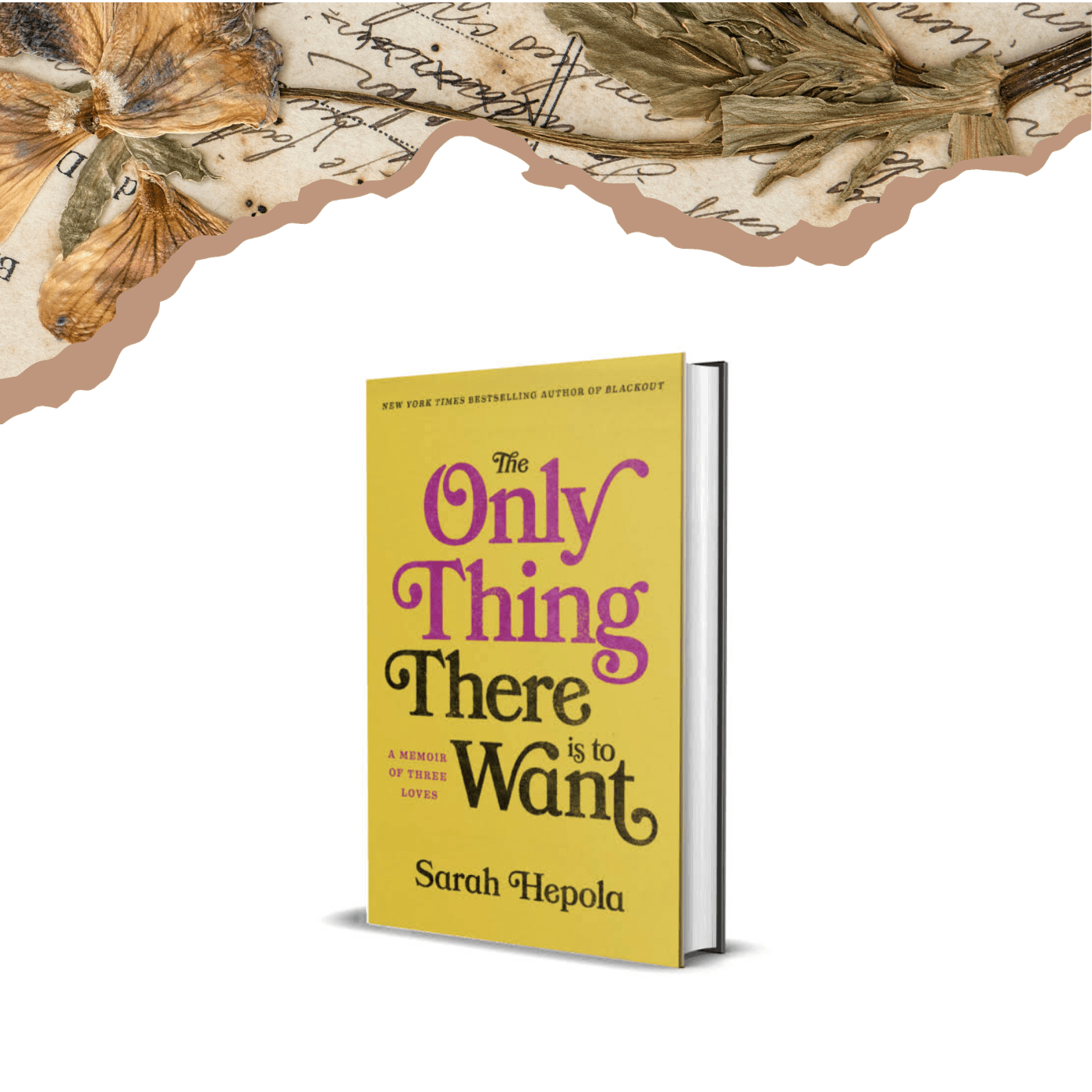
Thumbnail for "Why do we want what we can't have?".
. Sarah Hepola is co-host of the weekly culture podcast “Smoke 'Em If You Got 'Em” and a staff writer for The Dallas Morning News.
Thumbnail for "Personalized pricing is costing you more".
Lindsay Owens joins host Krys Boyd to discuss how companies have been selectively bumping up prices.
Thumbnail for "What a single family can reveal about dementia".
Robert Kolker joins host Krys Boyd to discuss the story of nine siblings who began to lose themselves to frontotemporal dementia.
Thumbnail for "Sometimes you have to quit to win".
Lindsay Crouse joins host Krys Boyd to discuss the courage it takes to let go and change course and why “strategic quitting” is a skill.
Thumbnail for "Can we fix Social Security in time?".
Steve Thompson joins host Krys Boyd to discuss why lawmakers are worried about the looming budget deficit.
Thumbnail for "When meditation goes wrong".
Olga Khazan joins host Krys Boyd to discuss adverse effects from meditation.
Thumbnail for "More nukes, more problems".
Erin D. Dumbacher joins host Krys Boyd to discuss why having too many weapons can pose problems.
Thumbnail for "How to look forward to midlife".
Allison Aubrey joins host Krys Boyd to discuss how taking on mid-life head-on can be both rewarding and fulfilling.
Thumbnail for "The new prime real estate? Earth’s orbit".
Jonathan O'Callaghan joins host Krys Boyd to discuss the enormous numbers of satellites being launched into space, what this means for traffic at low-Earth orbit altitude and space trash, and why, despite concerns, there are plans to launch 2 million more in the next few years.
Thumbnail for "It’s expensive to be lonely".
Vox correspondent Allie Volpe joins host Krys Boyd to discuss how tech is offering solutions to social isolation (a problem it created).
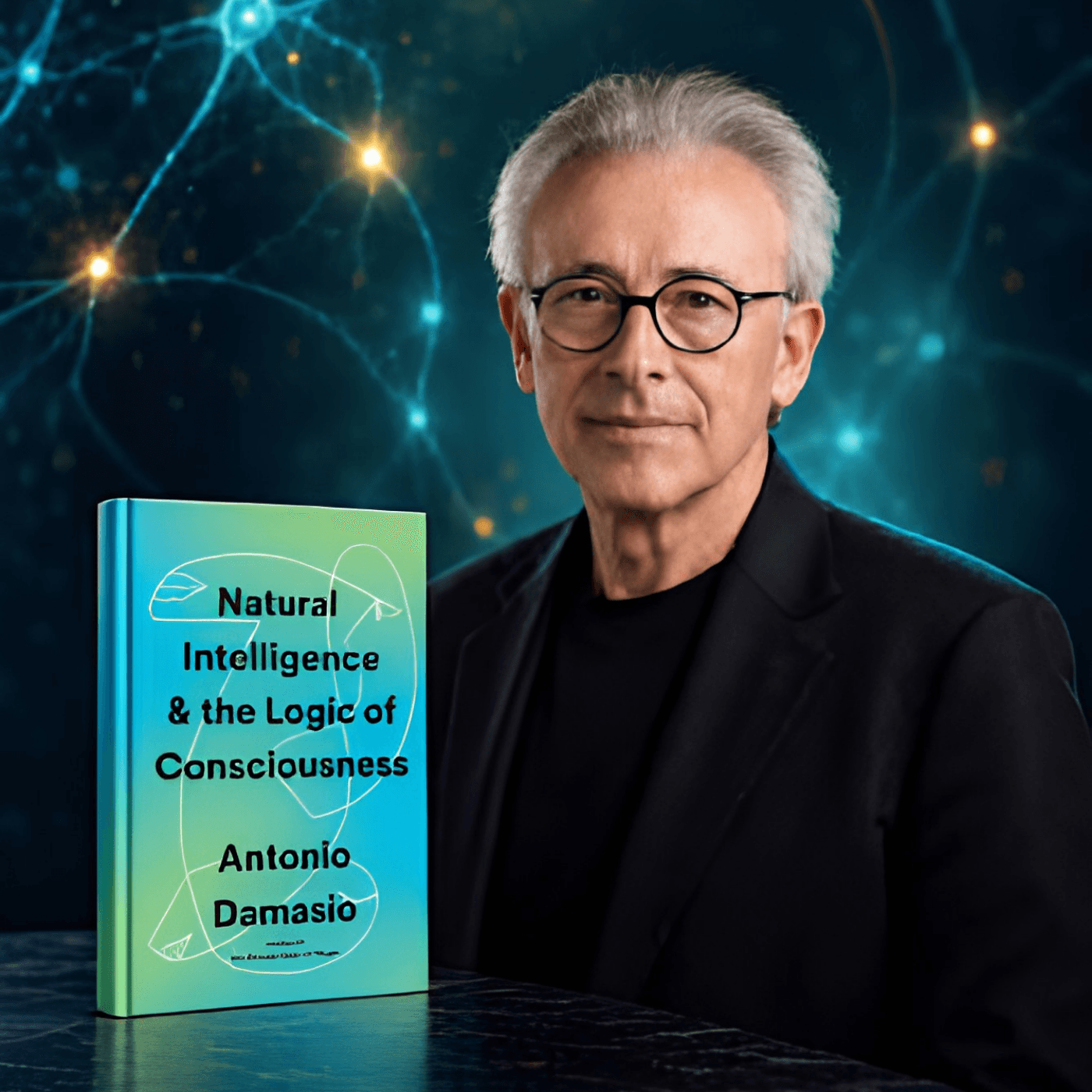
Thumbnail for "Why consciousness evolved".
Antonio Damasio joins host Krys Boyd to discuss why he believes consciousness came before feelings and why feelings came early in the evolutionary process.
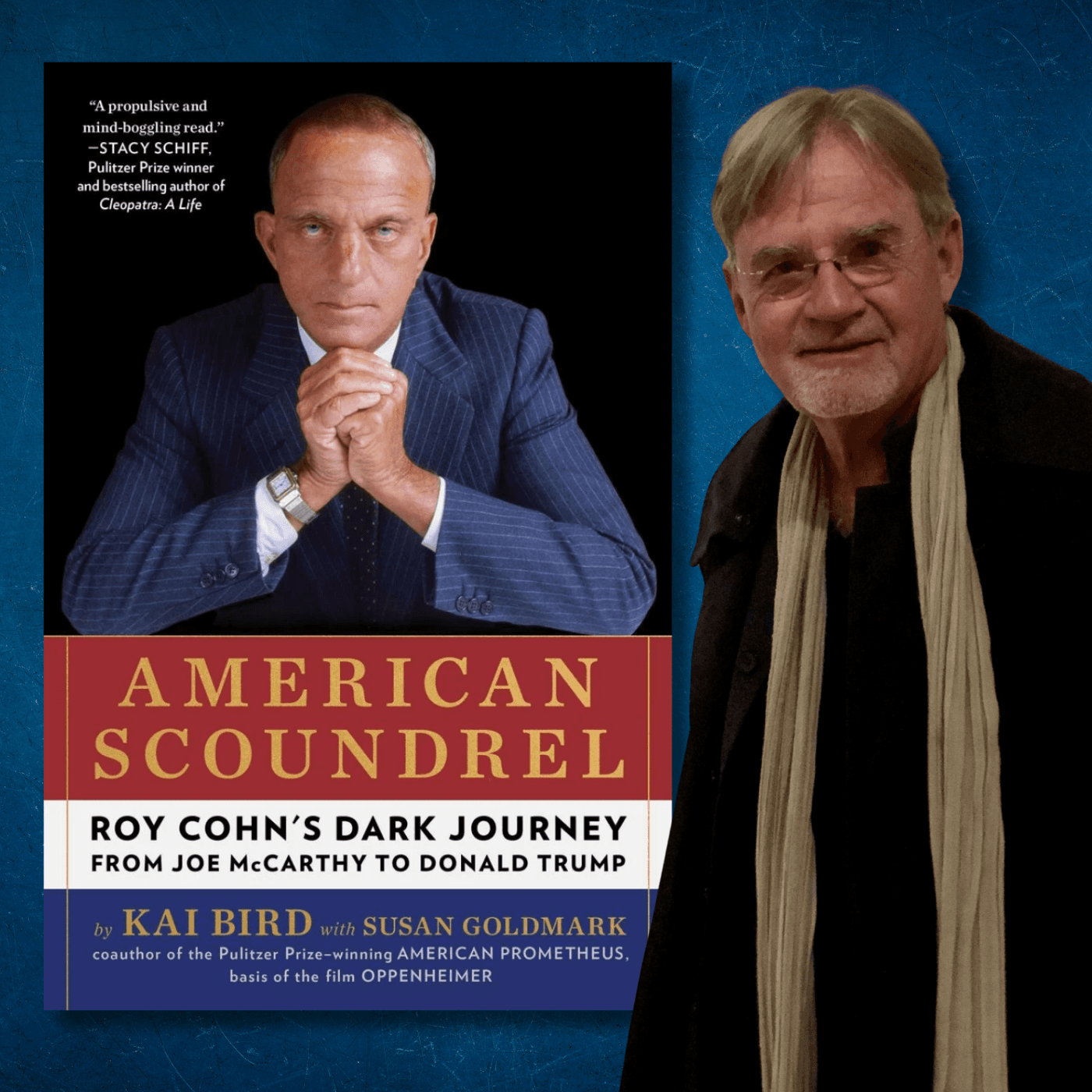
Thumbnail for "The man who taught Trump everything he knows".
Kai Bird joins host Krys Boyd to discuss Roy Cohn’s mentorship of a young Donald Trump and his eventual disbarment for unethical conduct.
Thumbnail for "Is al-Qaeda functionally dead — or just dormant?".
https://think.kera.org/#:~:text=Graeme%20Wood%20is,franchise%E2%80%9D%20the%20name.
Thumbnail for "Europe isn’t built for the heat".
Eric Klinenberg is Helen Gould Shepard Professor in the Social Sciences and director of the Institute for Public Knowledge at New York University. He joins host Krys Boyd to discuss how Europe is warming at twice the rate of other continents due to global warming.
Thumbnail for "Some dementia patients ‘come back’ at the very end".
Journalist Billy Brennan joins host Krys Boyd to discuss “paradoxical lucidity,” where dementia patients seem to “wake up” and interact right before they decline again.
Thumbnail for "Do we still need post-9/11 surveillance?".
Abigail R. Hall is an Independent Institute Senior Fellow and professor of economics at the University of Tampa. She joins host Krys Boyd to make the case that some of these laws have outlived their intended purposes and violate our liberties.
Thumbnail for "Why we haven't fixed the racial wealth gap".
Mehrsa Baradaran discusses the history of the wealth gap and why politics keep that gap alive for Black Americans.
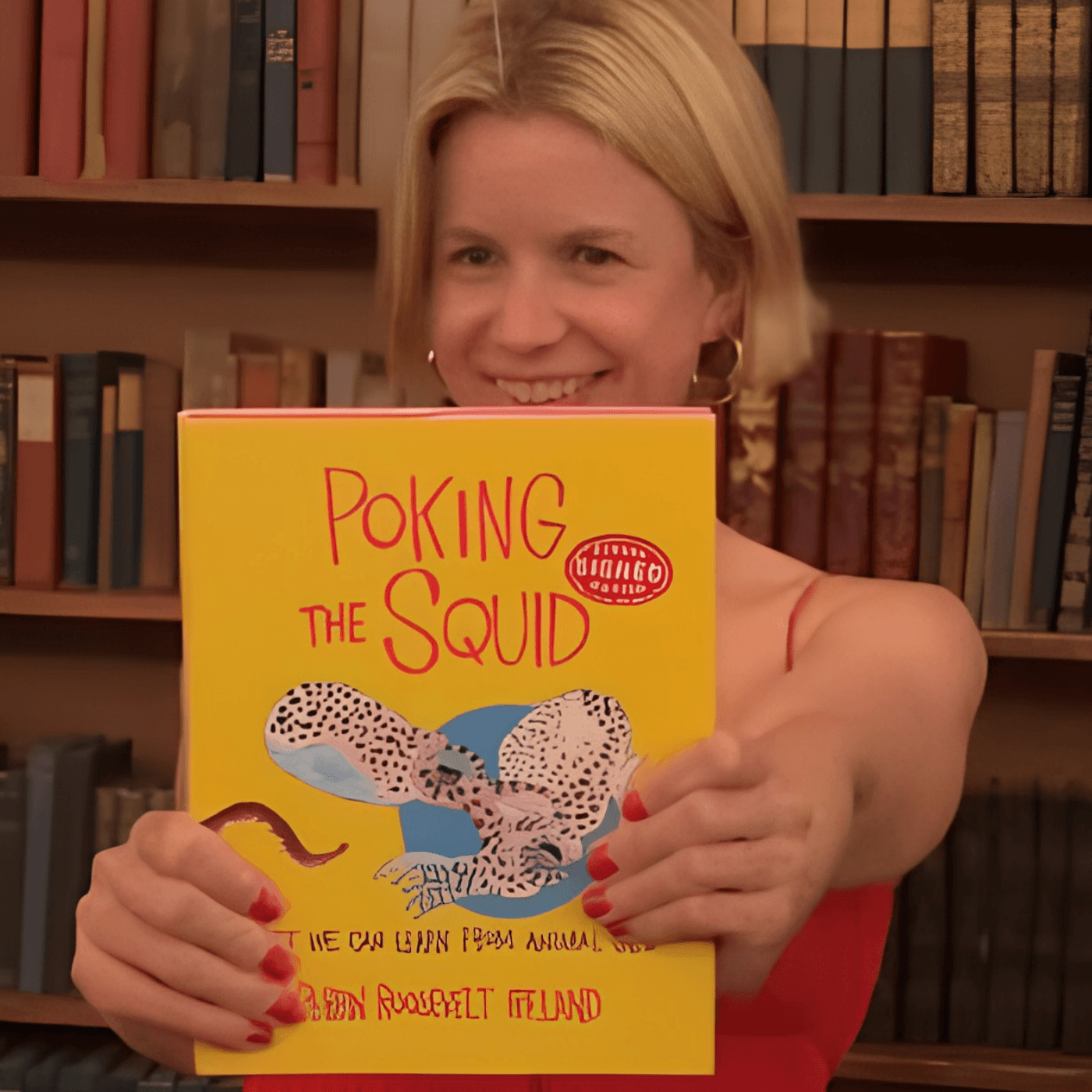
Thumbnail for "The wild sex lives of animals".
Perrin Roosevelt Ireland joins host Krys Boyd to discuss interesting facts about animal sex – from gender fluidity to procreation to co-parenting – and offer a glimpse into why so many species are worth saving from extinction.
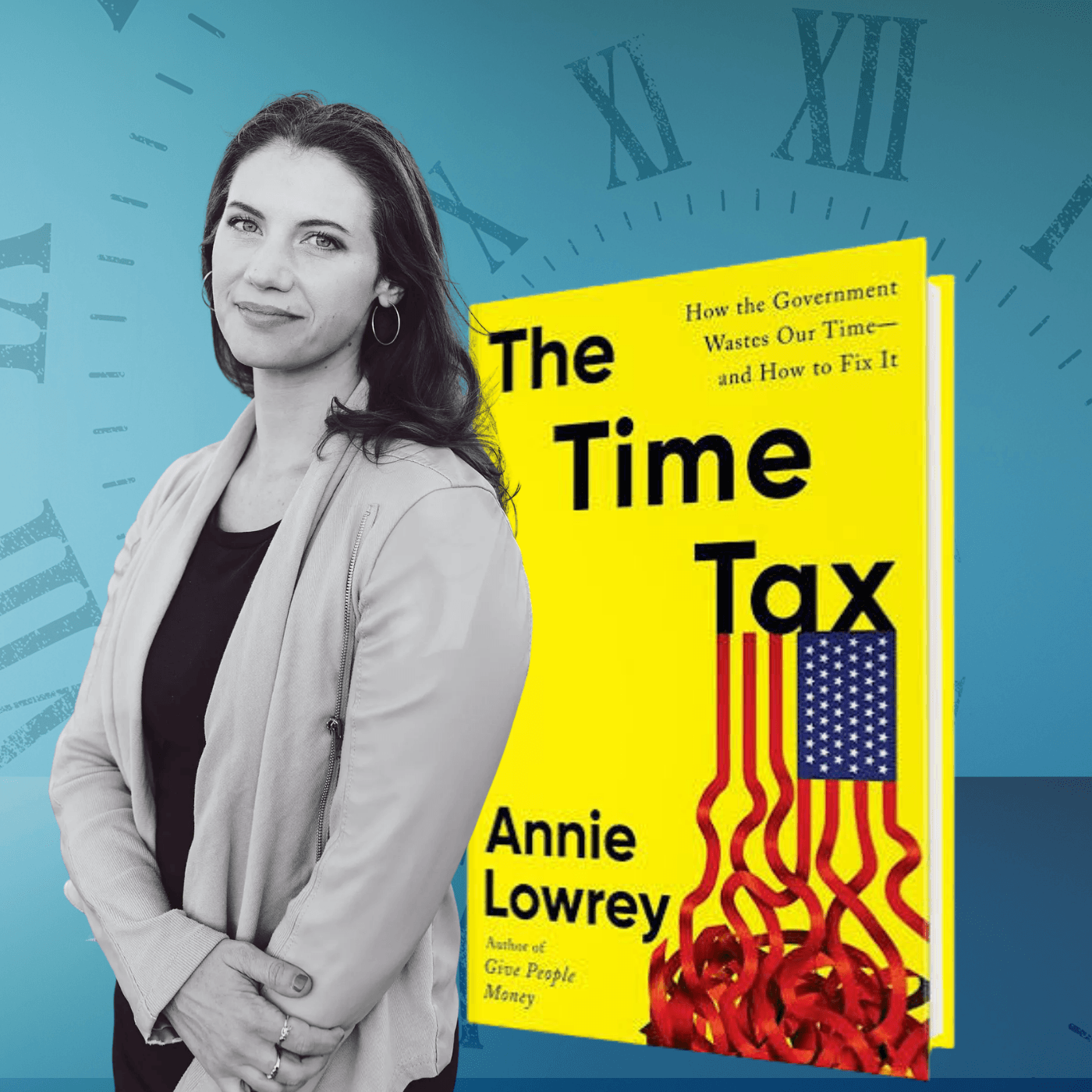
Thumbnail for "How the government wastes your time".
Annie Lowrey is a staff writer at The Atlantic, and she joins us to talk about just how much the government makes us work for the services it provides and how those systems could become more efficient.
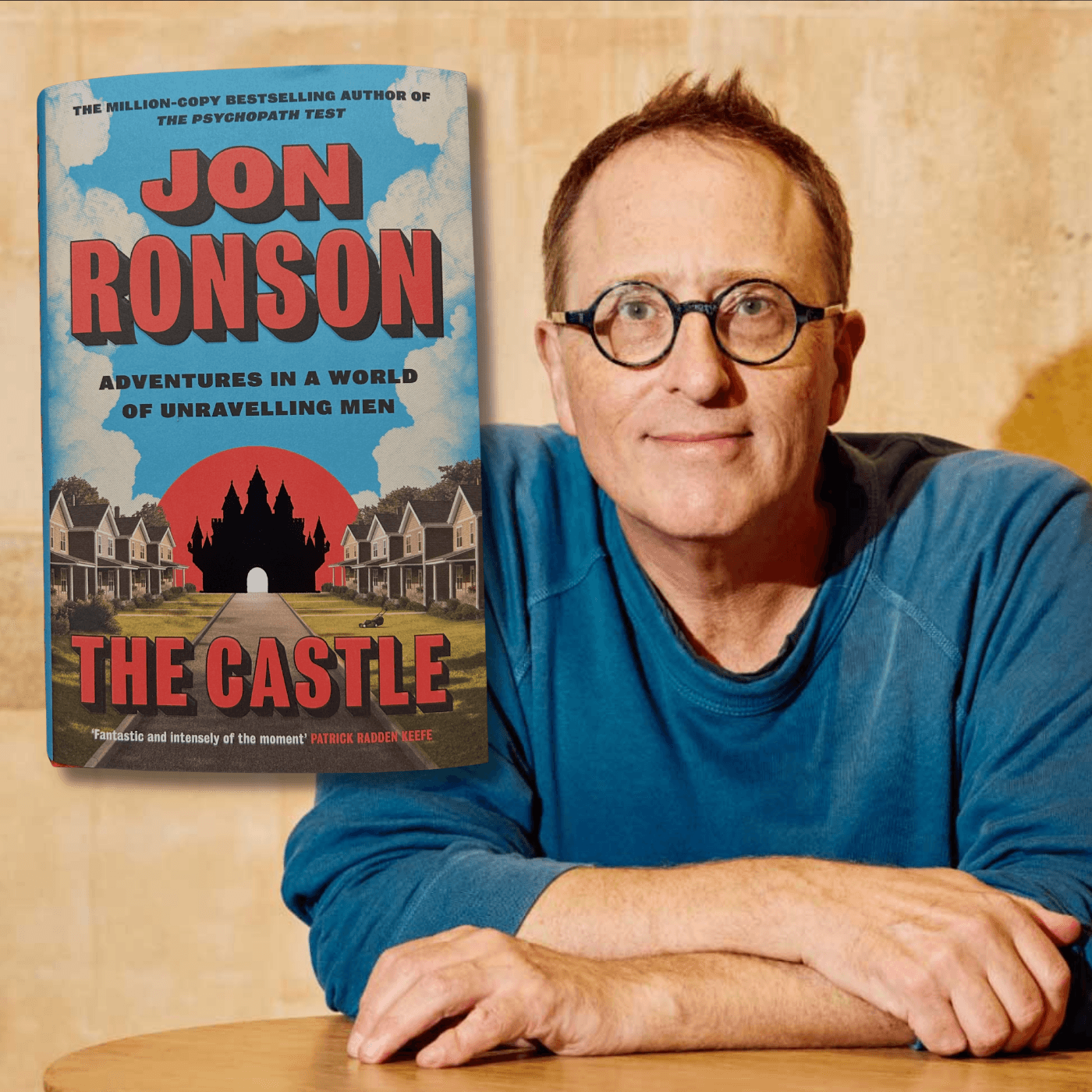
Thumbnail for "How masculinity falls apart".
Jon Ronson joins host Krys Boyd to talk about what he found while looking for strange displays of masculinity.
Thumbnail for "A former Black professor quit because of DEI".
Tyler Austin Harper joins host Krys Boyd to discuss how DEI policies burdened him as a black scholar.
Thumbnail for "We’re one lab leak away from a pandemic".
Alina Chan is a molecular biologist, and she joins host Krys Boyd to talk about precautions that can be put in place that allow for important research to be conducted while protecting the public.
Thumbnail for "The Wisdom of Dolly Parton".
Sarah Smarsh joins host Krys Boyd to explore the creative genius of the Dolly Parton — a prolific songwriter of more than 3,000 songs — and a pioneer for exploring class and gender issues in America.
Thumbnail for "The downside of safe havens for drug users".
Michael Powell, staff writer at The Atlantic, joins host Krys Boyd to discuss Burlington, Vt., Seattle and other places where needle exchanges have made public spaces unwelcoming.
Thumbnail for "The real reason adult kids go no contact".
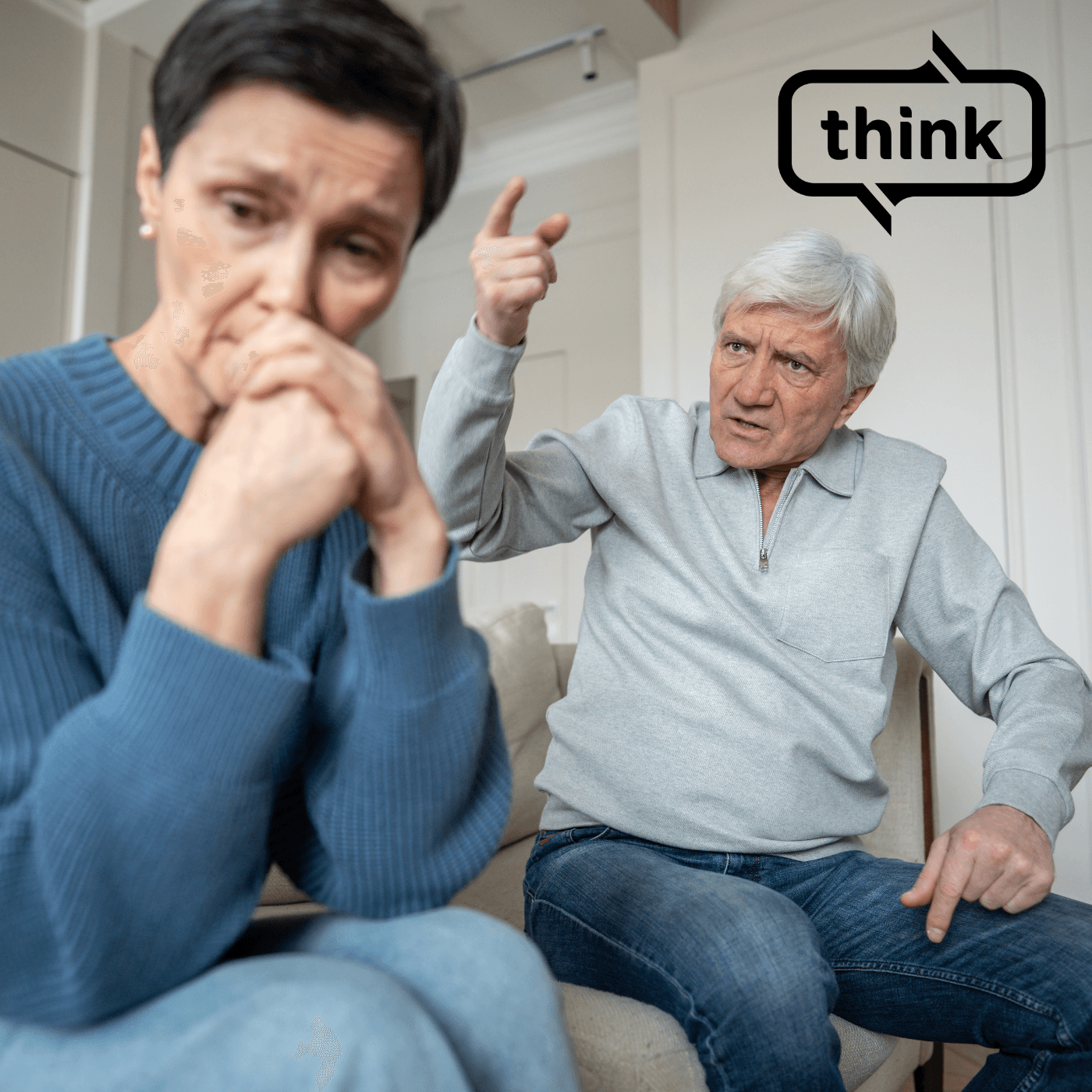
Rin Reczek is professor of sociology and co-director of the Center for Aging Families at The Ohio State University. She joins host Krys Boyd to discuss two distinct family units she calls “compulsory kinship” and “democratized kinship,” how they have changed over the years, and what people can lose — or gain — if they cut off contact.
Thumbnail for "Is Chinese science better than ours?".
New Yorker staff writer Evan Osnos joins host Krys Boyd to discuss why, when America has pulled research funding, China is funneling billions of dollars to remake its economy.
Thumbnail for "When children have to take care of their parents".
Dr. Helen Ouyang is a physician and associate professor at Columbia University and a contributing writer for The New York Times Magazine. She joins host Krys Boyd to discuss the teens who take on changing bandages and managing medications for family members.
Thumbnail for "You’re underestimating your brain".
We’ve all heard of “imposter syndrome” and something similar is going on in your brain in regard to your intelligence. Dr. Josh Turknett, M.D joins host Krys Boyd to discuss why we all have the ability to unlock abilities, how intelligence is built over time.
Thumbnail for "Wrongful conviction harms victims, too".
For every exonerated individual in the criminal justice system, there is another forgotten victim: the original victim’s family. Barbara Bradley Hagerty joins host Krys Boyd to discuss a case involving a man, Ben Spencer, who was wrongfully convicted of a crime.
Thumbnail for "The IRS isn’t getting its work done".
Stephanie Mencimer joins host Krys Boyd to discuss why 7 million people are waiting to hear back from the IRS about correspondence.
Thumbnail for "If we’re going to fight a trade war, we might as well win".
Chad P. Bown joins host Krys Boyd to discuss how tariffs push up prices, what lessons from history can teach.
Thumbnail for "Gen Z’s work-life balance looks different".
Journalist Emi Nietfeld joins host Krys Boyd to discuss her disillusionment with her “millennial values” where hard work and dreaming big would pay off in the corporate world why Gen Z doesn’t have a sense of optimism for their futures.
Thumbnail for "Trump’s three paths out of the Iran war".
David E. Sanger joins host Krys Boyd to discuss Trump’s options for ending the war, which include military escalation, economic crackdown or simply declaring victory and walking away.
Thumbnail for "Where does language come from?".
Science writer Laura Spinney joins host Krys Boyd to discuss the proto-Indo-European language
Thumbnail for "Why you can’t afford health insurance".
Bob Herman joins host Krys Boyd to discuss how the end of subsidies to the Affordable Care Act.
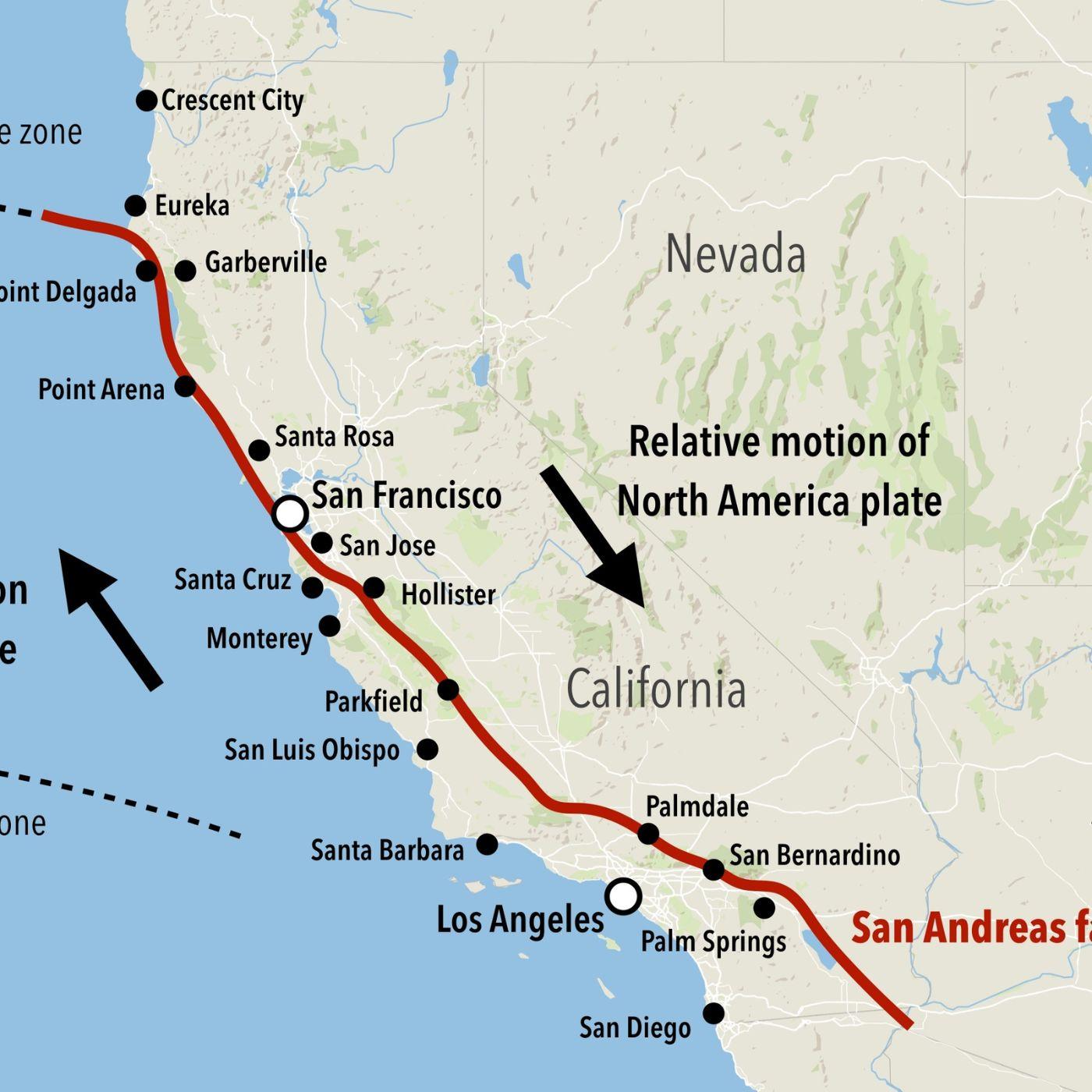
Thumbnail for "Is California overdue for the Big One?".
Rong-Gong Lin II joins host Krys Boyd to discuss what has scientists on edge about a massive fault line that hasn’t had an earthquake in more than a century. Read more
Thumbnail for "The high-tech weapons changing how we fight wars".
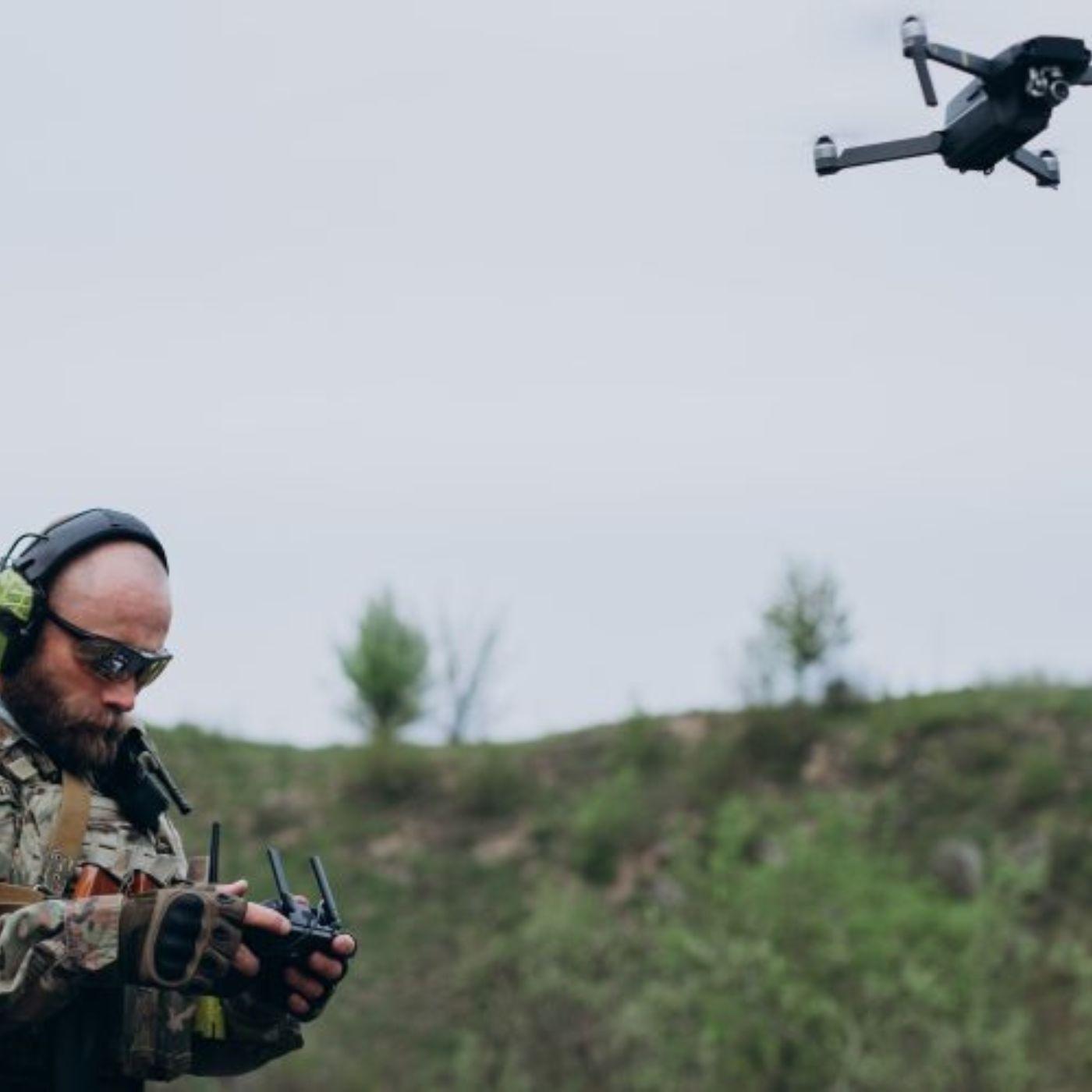
Yaroslav Trofimov, Chief Foreign-Affairs Correspondent for The Wall Street Journal, joins host Krys Boyd to discuss why billions invested in new tanks, planes and warships might be better spent on cheap drones.adscf
Thumbnail for "Colombia’s counterfeit cartel".
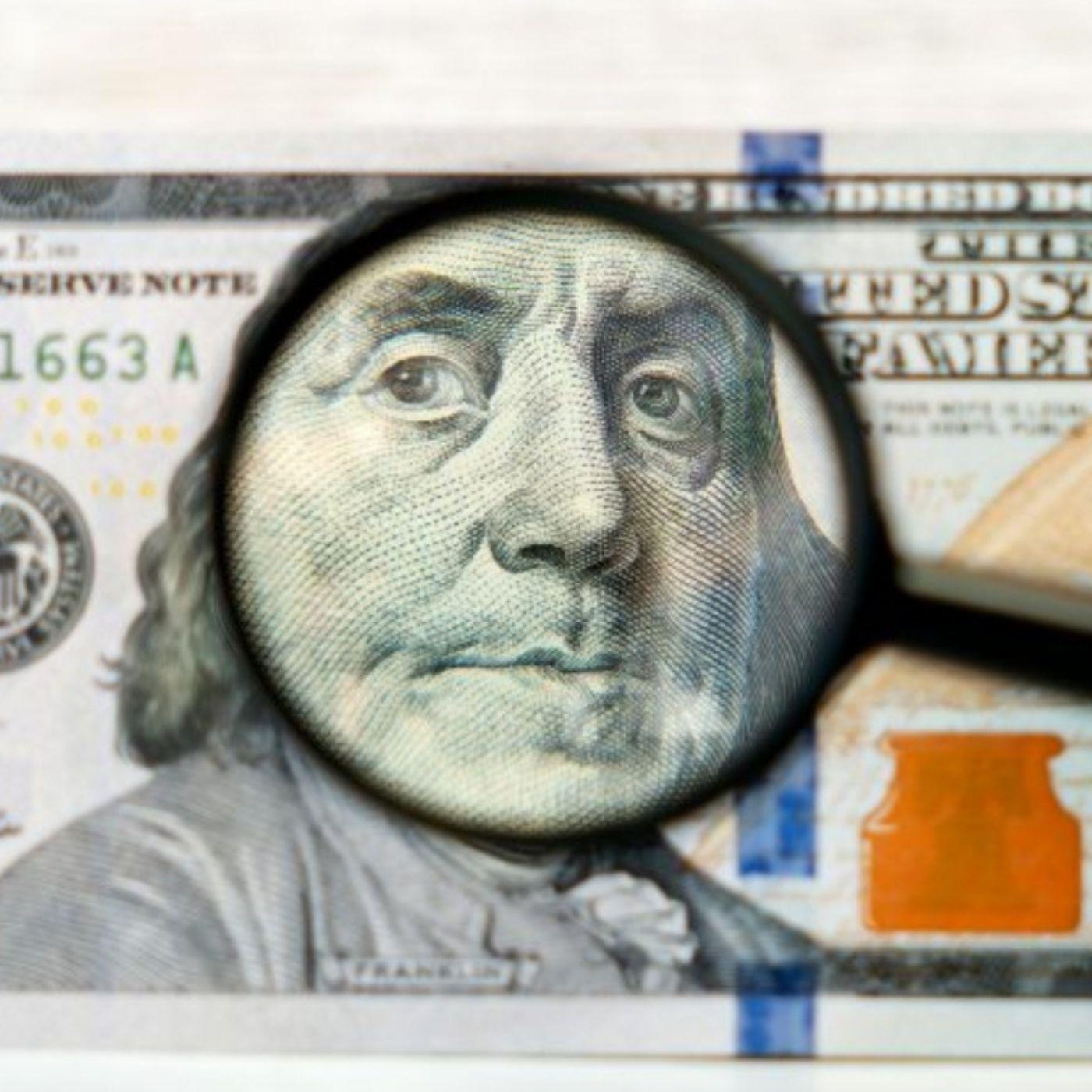
Yudhijit Bhattacharjee joins host Krys Boyd to discuss how Colombian authorities are trying to track down criminal enterprises counterfeiting dollar bills.
Thumbnail for "Your grandparents had skills. Do you?".
Joshua Habgood-Coote joins host Krys Boyd to discuss the centuries-old longing to get back to the “good old days” of craftsmanship.
Thumbnail for "What it’s like to fight a wildfire".
Jordan Thomas is a former Los Padres hotshot wildland firefighter and currently an anthropologist and chancellor’s fellow at the University of California, and he joins host Krys Boyd to discuss why climate change doesn’t tell the whole story.
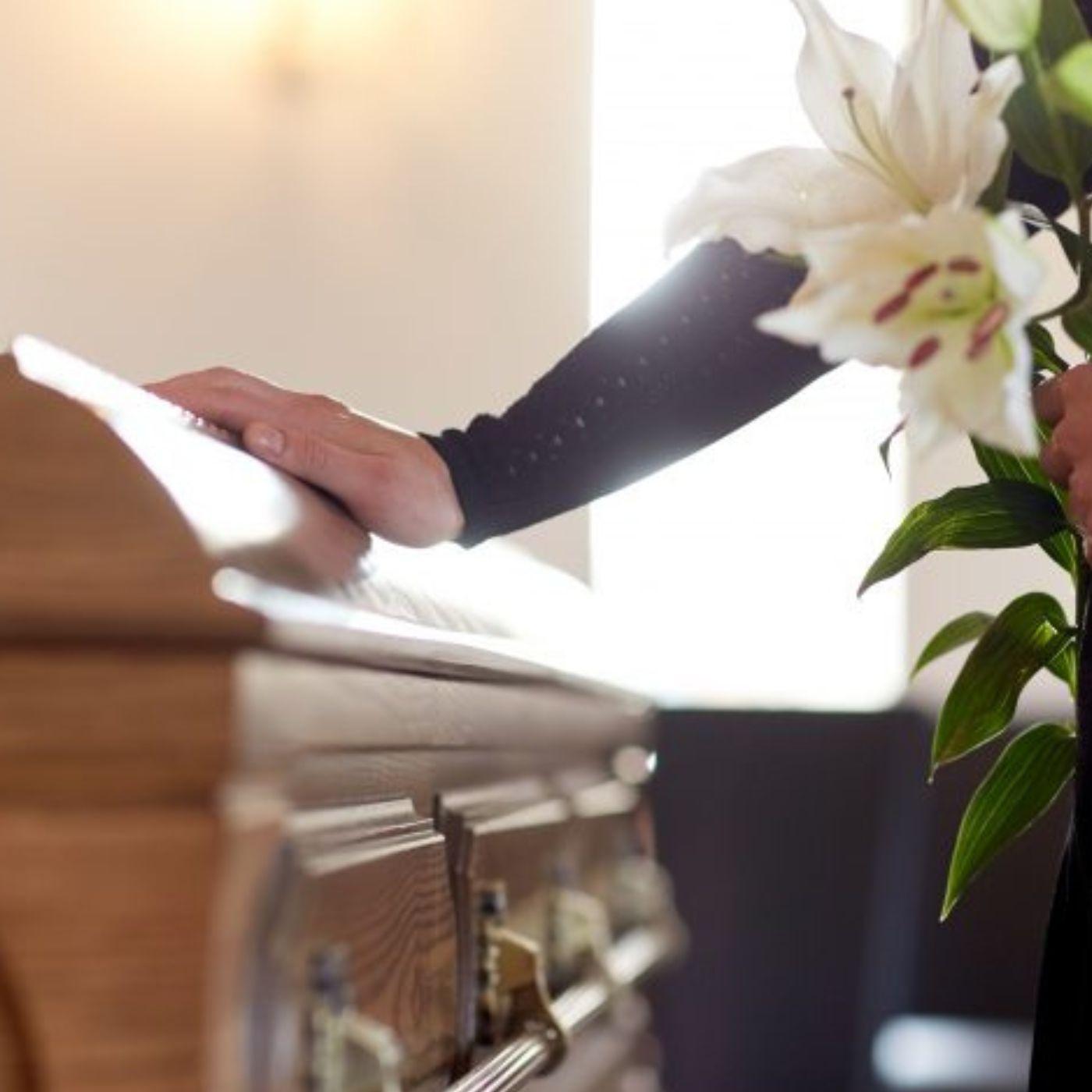
Thumbnail for "The demise of the open casket funeral".
John Semley joins host Krys Boyd to discuss the history, culture and economics of morticians, why their particular trade is quickly going out of fashion.
Thumbnail for "Ugly is a four letter word".
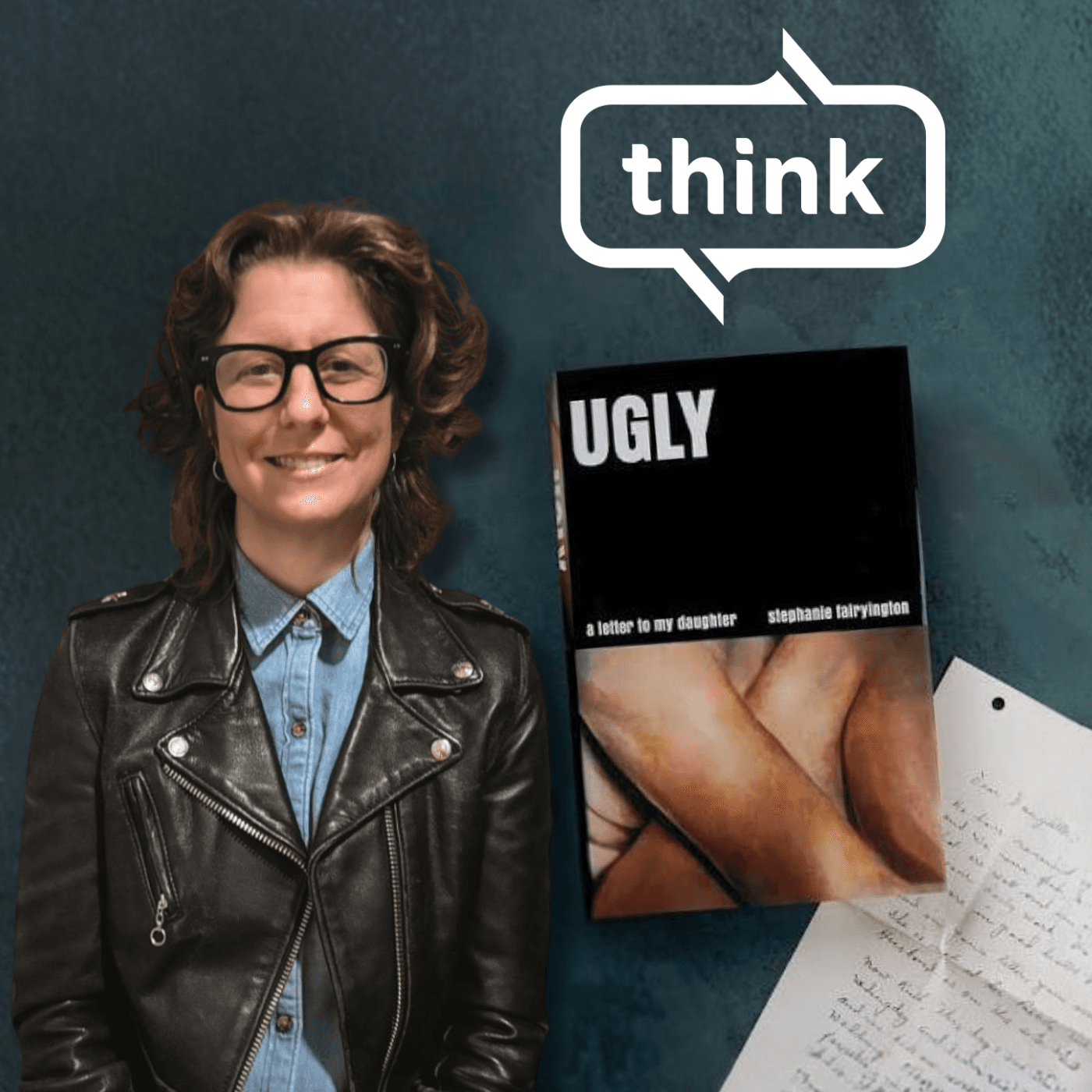
Stephanie Fairyington is a journalist who writes on gender, sexuality, family and parenting. She joins host Krys Boyd to discuss her perception that she didn’t live up to modern standards of pretty.
Thumbnail for "Marco Rubio is pulling the strings in Caracas".
Tyler Pager, White House correspondent for The New York Times, joins host Krys Boyd to discuss how and why Rubio is making big economic and political decisions for the country.
Thumbnail for "Bad parents need elder care, too".
Katie Engelhart, contributing writer for The New York Times Magazine, joins host Krys Boyd to discuss the children who must decide whether to care for aging parents who abused them.
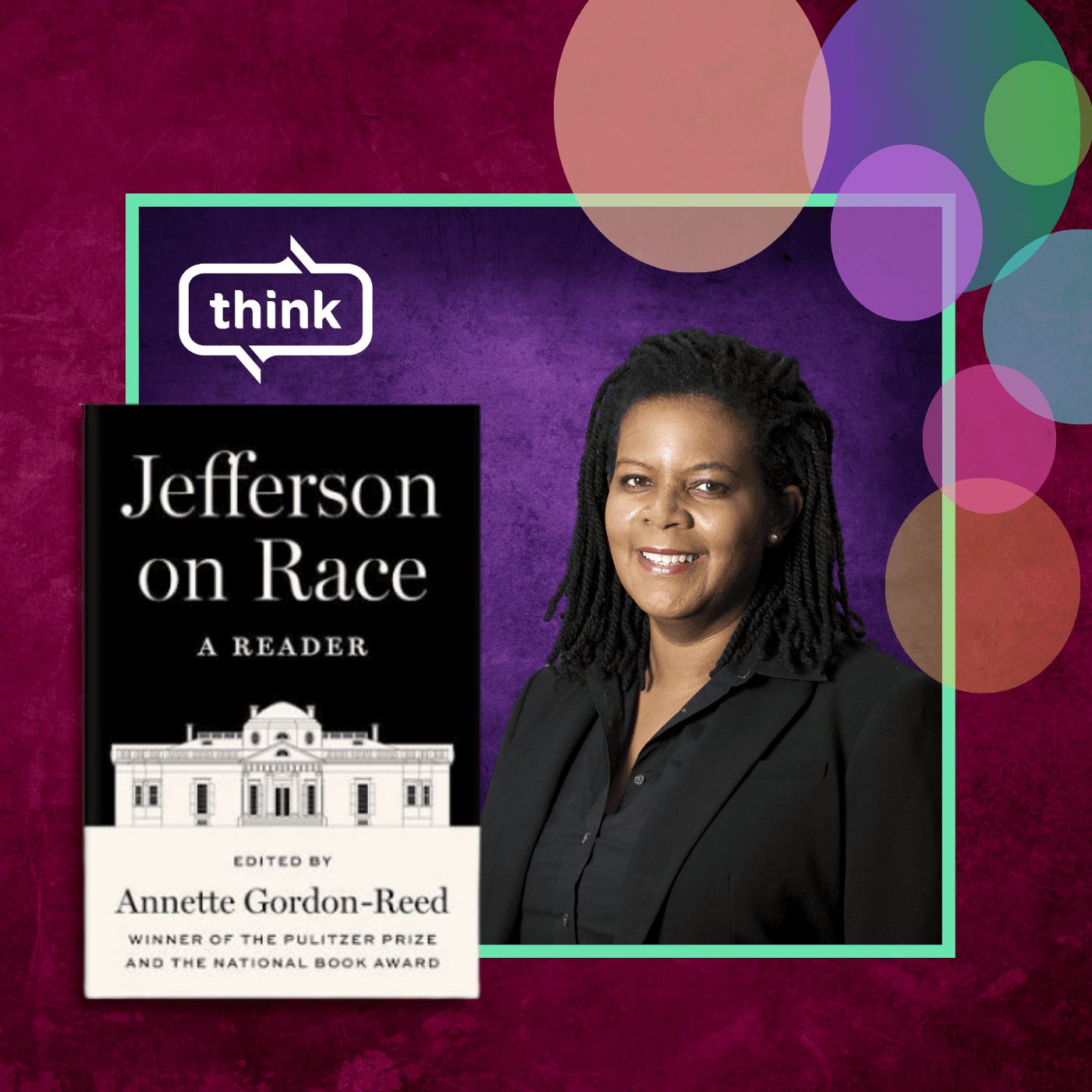
Thumbnail for "What Jefferson really thought about race".
Annette Gordon-Reed joins host Krys Boyd to discuss Jefferson’s own words on race, what it meant to be.
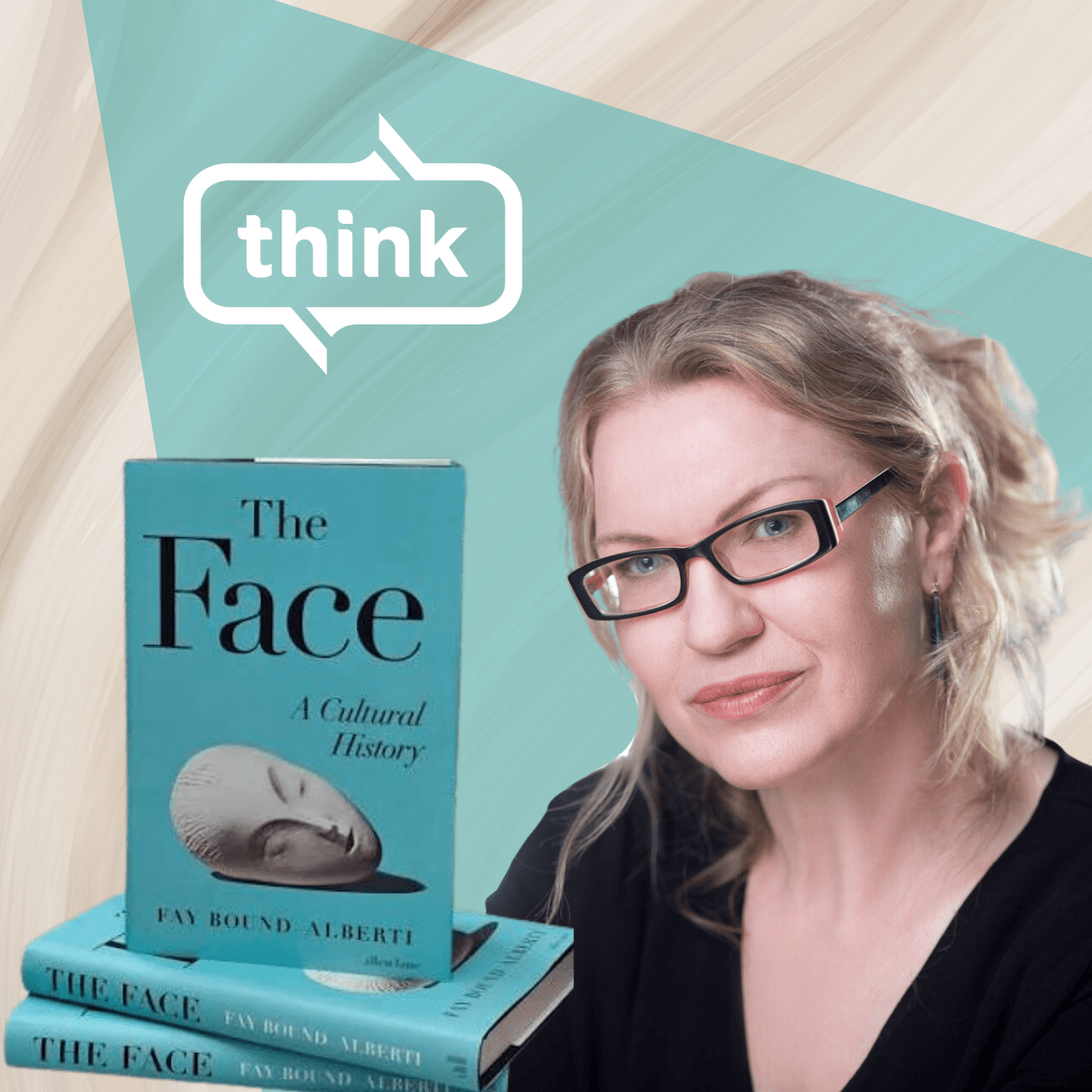
Thumbnail for "The cultural evolution of your face".
Fay Bound-Alberti joins host Krys Boyd to discuss how facial understanding is tied to where and when people live.
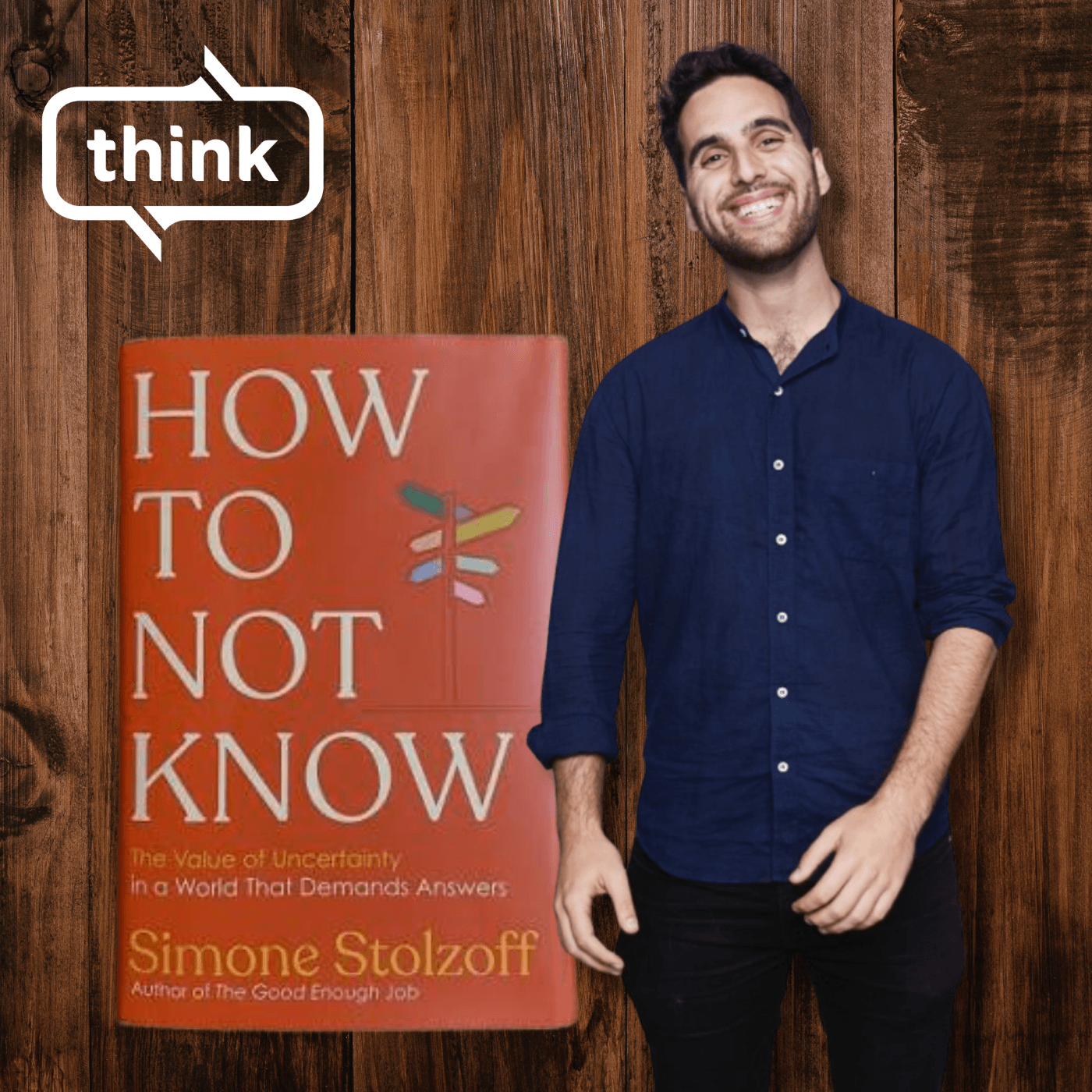
Thumbnail for "How to live with uncertainty (you don’t have a choice)".
Simone Stolzoff joins host Krys Boyd to discuss why striving for certainty cuts off creative thinking, why building tolerance for uncertainty helps prepares us for life’s pitfalls, and why someone who claims to know it all might actually be dangerous.
Thumbnail for "Consumer protection is on the decline… you’ve probably noticed".
Heather Timmons writes about consumer rights for The Guardian. She joins host Krys Boyd to discuss why American shoppers are fed up with higher prices, inflation, private equity and A.I. customer service
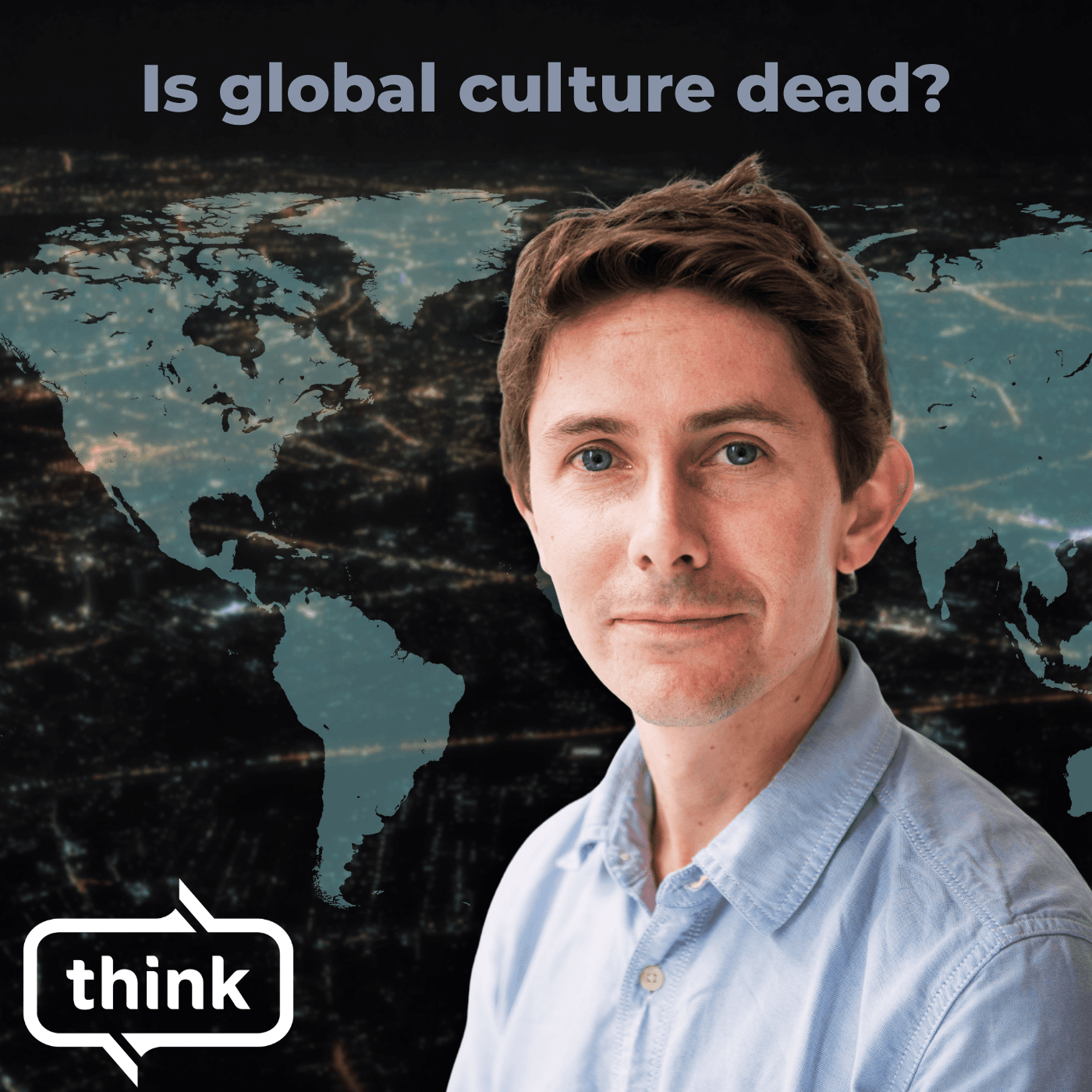
Thumbnail for "The trend in global entertainment: hyperlocal".
Tom Wainwright joins host Krys Boyd to discuss the rise of “local” entertainment, where artists want to appeal to a smaller segment of the population and not go “global,”.
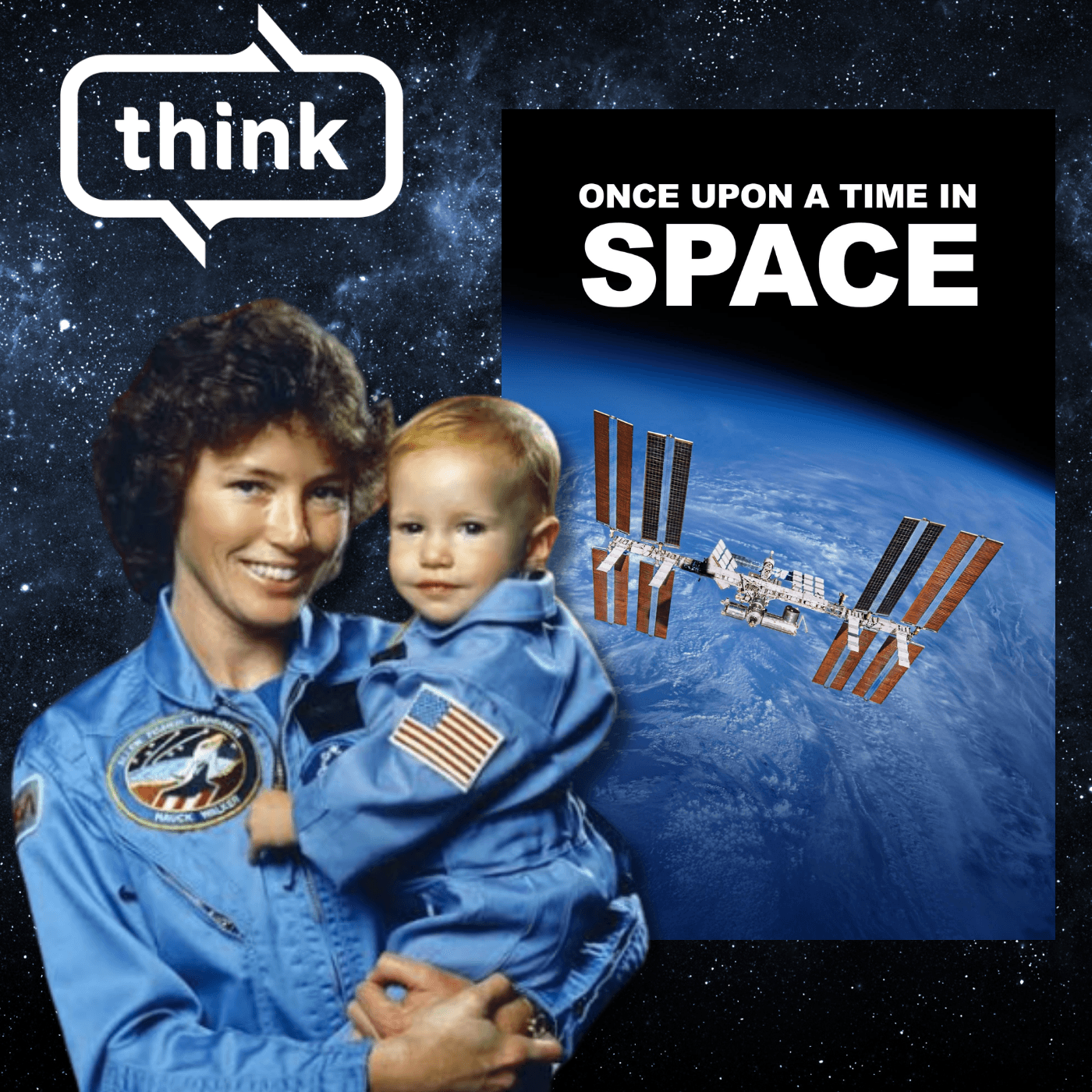
Thumbnail for "She created space for women astronauts".
Anna Fisher joins host Krys Boyd to discuss her record as the longest serving astronaut at 36 years and 9 months.
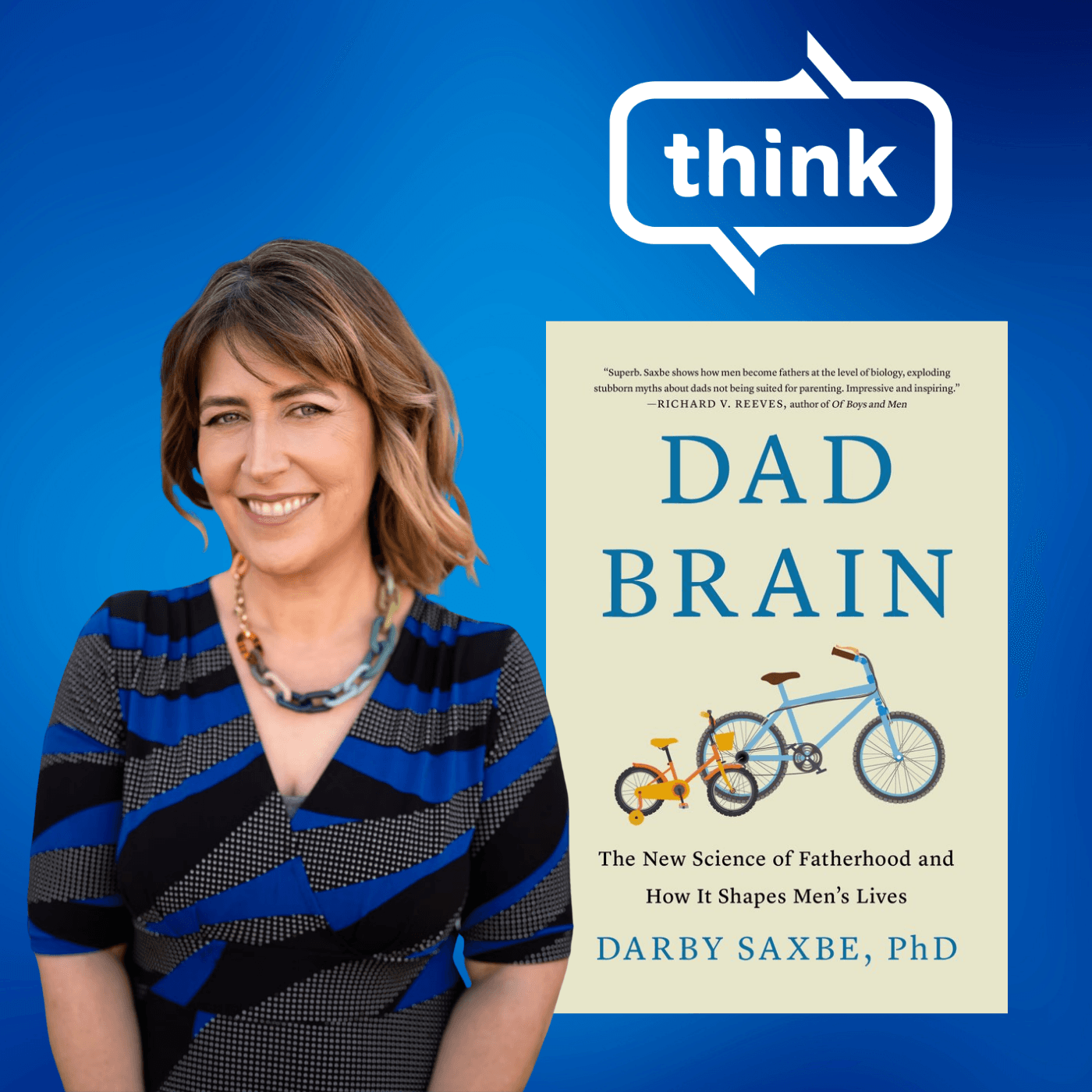
Thumbnail for "There’s a dad bod and a dad brain".
Darby Saxbe discusses the changes fathers go through when a baby is born from hormones to attention span the important role grandfathers play
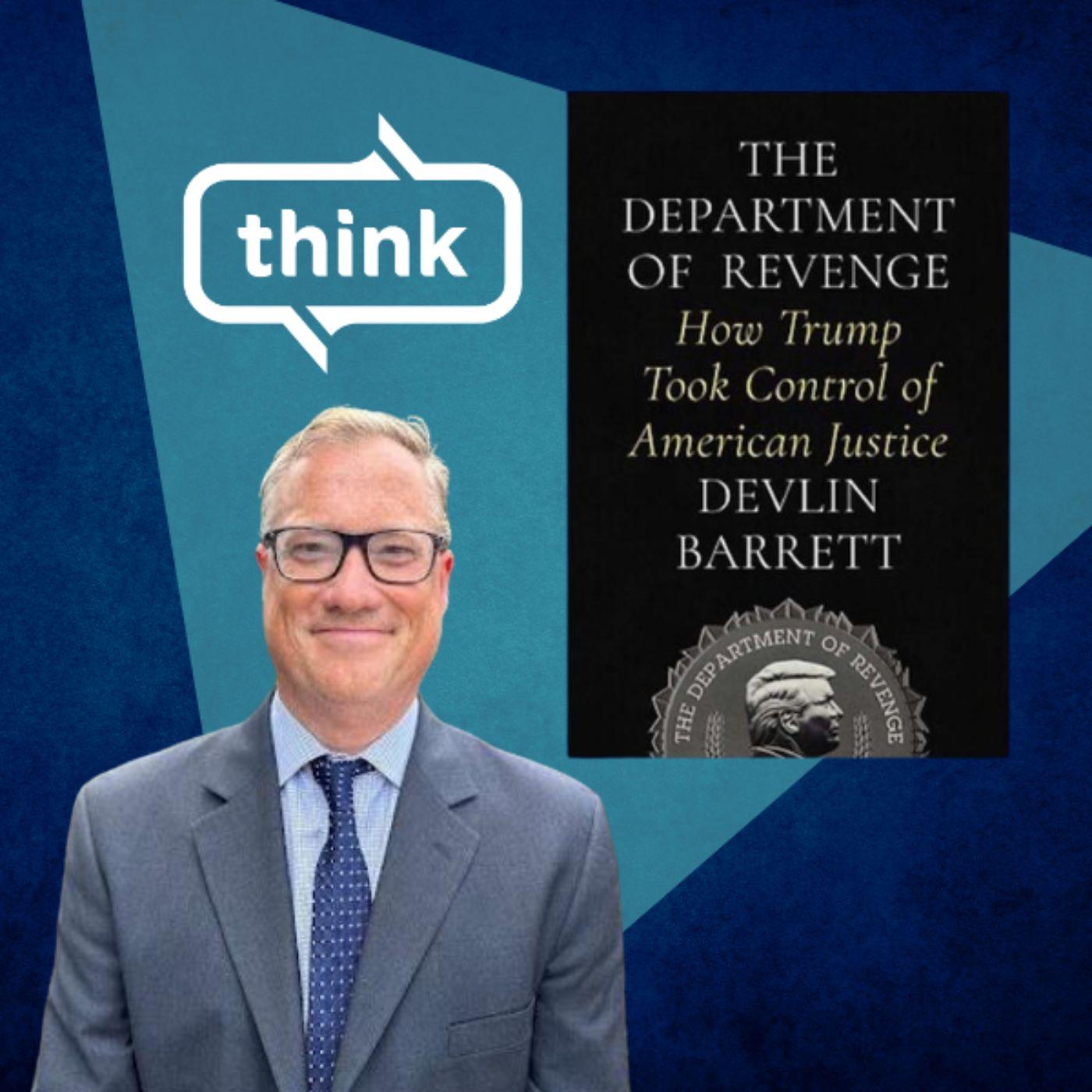
Thumbnail for "The new mission of the DOJ".
Devlin Barrett joins host Krys Boyd to discuss evidence that Trump is using the department to exact revenge.
Thumbnail for "Michael Pollan: Your guide to consciousness".
Michael Pollan joins host Krys Boyd to explore what we do and don’t know about the mysteries of the conscious mind.
Thumbnail for "Great Replacement Theory is exploding all over the world".
Ibram X. Kendi joins host Krys Boyd to discuss how authoritarian leaders tap into the fears of white populations to tighten their grip on power.
Thumbnail for "How novelist George Saunders thinks about free will".
The Booker Prize-winning author talks with host Krys Boyd about his latest work.
Thumbnail for "The unbreakable bond of found family".
Tayari Jones discusses her new novel.
Thumbnail for "David Sedaris on the absurdity of aging".
When you have the natural curiosity of David Sedaris, ordinary observations turn into moments of humor and humanity. The best-selling author joins host Krys Boyd to discuss his latest book of essays that lays out life in in the 21st Century.
Thumbnail for "Is America a bad neighbor?".
America has long enjoyed a relatively calm home in North America, but President Trump’s recent moves could upend that stability. Krys Boyd sits down with three guests to break down the state of U.S. relations with Mexico, Canada and Cuba.
Thumbnail for "Do nukes still prevent wars?".
Nuclear weapons have long been thought to be deterrents for global warfare– are they still? Rose Gottemoeller joins guest host Paige Phelps to discuss why nuclear weapons are largely ineffective in stopping sustained attacks by cheap drones.
Thumbnail for "The joy of small moments".
Thumbnail for "To understand class, check out a grocery store".
Ann Larson joins guest host Courtney Collins to discuss the lives of grocery store workers, who are deemed essential but earn wages that don’t cover basic life necessities. Read more
Thumbnail for "Why adoption tourism is booming in Utah".
Couples desperate to adopt often turn to underregulated for-profit adoption agencies. Gabrielle Glaser joins host Krys Boyd to discuss a system ripe for abuse, where “baby brokers” target pregnant women.
Thumbnail for "George Washington never wanted to be president".
The most reluctant politician we’ve ever had just happens to have been our first president. H.W. Brands joins host Krys Boyd to discuss George Washington who saw himself as a solider and not a politician.
Thumbnail for "Team Jefferson or Team Hamilton? Their debate rages on".
Thomas Jefferson and Alexander Hamilton fought for independence and fought each other. Jeffrey Rosen, joins host Krys Boyd to discuss the battles Jefferson and Hamilton had over concepts of liberty and freedom.
Thumbnail for "Can American history be a source of pride or shame?".
America’s history is a mix of pride and shame so how should we square those conflicting feelings? Yoni Appelbaum, joins host Krys Boyd to discuss what it means to be a patriot when scholars argue about the American story.
Thumbnail for "The revolutionary women who made America".
The Declaration of Independence might’ve been written by men, but history was being made by women. Denise Kiernan joins host Krys Boyd to discuss the publishers, spies, and other extraordinary women that powered the American Revolution.
Thumbnail for "It's not easy being No. 2: The presidency of John Adams".
Lindsay Chervinsky, executive director of the George Washington Presidential Library, joins host Krys Boyd to discuss the second U.S. president.
Thumbnail for "After the Flood: A Special Episode from Texas Newsroom and FRONTLINE".
After the Flood, a new podcast from the Texas Newsroom and PBS’s Frontline, has followed survivors over the last year and tries to find out why this happened – and whether it could happen again.
Thumbnail for "The surprising reason people name their cars".
Justin Gregg is senior research associate with the Dolphin Communication Project and an adjunct professor at St. Francis Xavier University, where he lectures on animal behavior and cognition. He joins host Krys Boyd to discuss the benefits of anthropomorphism and the detriments of its polar opposite dehumanization.
Thumbnail for "The fight over how we celebrate 250".
America’s 250th birthday celebration was to be led by the Smithsonian then President Trump took it over. Michael Scherer joins host Krys Boyd to discuss a new rebranded celebration called America250.
Thumbnail for "Should your pet be in hospice?".
Hospice care is a good option for dying loved ones so why not pets? Dr. Sunita Puri joins host Krys Boyd to discuss end-of-life care for beloved animals.
Thumbnail for "India’s population boom goes bust".
India has claimed the world’s largest population since 2023 but that changes fast. Tom Sasse joins host Krys Boyd to discuss why a decline in birth rates will hinder future growth.
Thumbnail for "Is modern politics beyond satire?".
How do you write satire about an administration that is already over the top? Author Ben Fountain joins host Krys Boyd to discuss his wild new novel in which a pro-wrestler holds almost magical powers that captivate crowds.
Thumbnail for "The U.S. state that could have been a Black utopia".
Caleb Gayle is a journalist, author and professor at Northeastern University, and he is also a contributing writer at The New York Times Magazine. He joins guest host John McCaa to tell the story of Edward McCabe, who made it his life’s work to set up a Black state in Oklahoma.
Thumbnail for "The DOD’s war on diversity".
Clint Smith, staff writer at The Atlantic, joins host Krys Boyd to discuss his interviews with dozens of enlisted and civilian Black servicemembers.
Thumbnail for "Is heterosexuality over?".
Dating should be fun, but single, straight people are finding it a drudgery or even worse cringe. Magdalene J. Taylor, senior editor at Playboy, joins host Krys Boyd to discuss “heteropessimism”.
Thumbnail for "Did we evolve to be selfish ?".
The common evolutionary question centers around nature vs. nurture. Jonathan R. Goodman a social scientist joins host Krys Boyd to discuss Darwinian survival vs. species interdependence.
Thumbnail for "The city through the eyes of a garbage collector".
Simon Paré-Poupart, a sociologist and garbageman in Montreal, joins host Krys Boyd to discuss his life on the back of a garbage truck.
Thumbnail for "The secular saints of Civil Rights".
Sharron Wilkins Conrad joins guest host John McCaa to discuss how Black families viewed martyred leaders who advocated for change.
Thumbnail for "Soccer is expensive, but it doesn’t make money".
Stefan Szymanski is professor of sport management at the University of Michigan and a leading sports economist. He joins host Krys Boyd to discuss why, with all the money and sponsorships and hype around professional soccer teams.
Thumbnail for "Pope Leo finds his voice".
New American pope has been a very vocal critic of American foreign, domestic policy. Victor Gaetan joins Krys Boyd to discuss Pope Leo’s policies.
Thumbnail for "The pathogens thriving because of climate change".
Microbes have lived on this planet since long before humans. Shayla Love joins host Krys Boyd to discuss these masters of evolution that can mutate in a single generation.
Thumbnail for "The drug that's deadlier than opioids".
The damage caused by alcohol costs Americans billions of dollars. Isabella Cueto, chronic disease joins host Krys Boyd to discuss the harms of alcohol from elevated cancer risk to liver damage.
Thumbnail for "The heart and heartbreak of the American South".
For two-time National Book Award winner Jesymn Ward, the deep South is the only place she can call home.
Thumbnail for "How limitations open up your world".
Creativity knows no bounds but it’s best captured within set limits.
Thumbnail for "The broken promises of the Iranian revolution".
A look at Iran’s recent history — from the promise of democracy to oppressive rule and further corruption.
Thumbnail for "What black markets can teach us about the economy".
To really understand the nuts and bolts of economics, look to the black market.
Thumbnail for "Are they serious about repealing the 19th amendment?".
Thumbnail for "The olds are in charge, and it’s not good".
Thumbnail for "Beware the influence of big diaper".
Thumbnail for "The big SCOTUS decisions on their way".
Thumbnail for "Gen Z brand = Burnt out".
Thumbnail for "Can the Fed stay independent?".
Thumbnail for "George Washington never wanted to be president".
H.W. Brands is Jack S. Blanton Sr. Chair in History joins host Krys Boyd to discuss George Washington who saw himself as a solider and not a politician.
Thumbnail for "We're living in the world the yuppies made".
Dylan Gottlieb is author of “Yuppies: The Bankers, Lawyers, Joggers, and Gourmands Who Conquered New York”. He joins host Krys Boyd to discuss the social and political changes Yuppies brought throughout the country.
Thumbnail for "Birds do it. Bees do it.: Parenting".
Science journalist Elizabeth Preston joins host Krys Boyd to discuss parenting styles of animals – like otters that teach their offspring to swim.
Thumbnail for "The $50,000 test to pick your favorite child".
Christopher Cox is an editor at New York Magazine, and he joins host Krys Boyd to discuss the $50,000 tests that promise to help prospective parents choose the most desirable traits.
Thumbnail for "What's the point of college if A.I. does all the work?".
Amanda Hoover is a senior correspondent at Business Insider covering the tech industry. She joins host Krys Boyd to discuss how companies are trying to discern if A.I. is being used to cheat through interviews.
Thumbnail for "How safe are injectable peptides?".
People are injecting themselves with unregulated compounds bought from the internet — so how safe is this health trend? Dr. Dhruv Khullar discusses.
Thumbnail for "How the universe made you possible".
Hakeem Oluseyi is an astrophysicist. He joins host Krys Boyd to discuss the space-time continuum and how our imagination shapes our existence.
Thumbnail for "Critical Race Theory explained by its founder".
Kimberlé Williams Crenshaw discusses how her upbringing shaped her work in critical race theory and intersectionality.
Thumbnail for "All y'all have accents".
Whether you notice it or not, you speak with an accent. Valerie Fridland, professor of linguistics, discusses why some are fading away, and more.
Thumbnail for "Planet Money unpacks the economy".
Alex Mayyasi, host of the new podcast “Gastronomics” and a longtime contributor to “Planet Money,” joins host Krys Boyd to discuss the nuts and bolts of the economy.
Thumbnail for "Pete Hegseth's violent prayers".
Peter Wehner, contributing writer at The Atlantic and a senior fellow at the Trinity Forum, joins host Krys Boyd to discuss the Psalms he quotes about smiting enemies
Thumbnail for "American cars used to be affordable. What happened?".
Clifford Winston is an economist who specializes in transportation and microeconomic policy. He joins host Krys Boyd to discuss where the low-priced cars have gone.
Thumbnail for "Is Venezuela doing better now?".
The U.S. military attack on Venezuela was fast and surgical — so how is the country doing now?
Thumbnail for "PEN15’s Anna Konkle on how life inspires art".
Anna Konkle is co-creator and co-star of the Hulu series “Pen15,” and she joins host Krys Boyd to discuss her childhood – when her parents fought all the time and she felt like the peacemaker.
Thumbnail for "Is Mexico next on Trump’s hit list?".
Thumbnail for "Would you be different if you got super rich?".
Thumbnail for "Stop offloading the hard stuff to A.I.".
Cal Newport, professor of computer science at Georgetown University, discusses how employing computers to do our deepest thinking dulls our ability to concentrate.
Thumbnail for "Hey, graduates: Here's how to find the right job".
Jodi Kantor, Pulitzer-prize winning New York Times investigative reporter, joins host Krys Boyd to discuss how to find passion in your work, what it takes to find out what we’re good at and how to choose work that the world needs.
Thumbnail for "The hazards of being in love with love".
If you know someone who falls in love at first sight over and over again, there’s a word for that: emophilia.
Thumbnail for "Should childhood be monetized?".
Journalist Fortesa Latifi joins guest host Courtney Collins to discuss family reality content and the perks, money and fame that come with it.
Thumbnail for "The state of Black studies, post-D.E.I.".
Schools around the country are shuttering their Black studies departments—often without regulatory prompting. Jafari S. Allen, a professor of African American studies, discusses why schools are blaming low enrollment for shutting down these departments.
Thumbnail for "Why did we stop hanging out?".
Derek Thompson, staff writer at The Atlantic, joins host Krys Boyd to discuss the phenomenon where we’re on our phones but digitally surrounded by people, and how this isolation is rewiring us to be more anti-social – including in both our personal relationships and political lives.
Thumbnail for "Who wants to be an alpha male?".
Charles Bethea discusses immersive camps that teach men how to become alpha males.
Thumbnail for "Your perfect person doesn’t have to be perfect".
Social psycologist Paul Eastwick discusses discuss why we need to look past imperfections when choosing a mate.
Thumbnail for "How do you define color?".
Lexicographer Kory Stamper discusses the difficulty of defining colors and why it took the help of scientists to create descriptions of everything around us.
Thumbnail for "How to think like an optimist".
Deepika Chopra outlines strategies for developing optimism.
Thumbnail for "In defense of paying your taxes".
Vanessa S. Williamson is a senior fellow in Governance Studies at Brookings and a senior fellow at the Urban-Brookings Tax Policy Center. She joins host Krys Boyd to discuss the history of taxation in this country
Thumbnail for "Freedom is good for kids and scary for parents".
Simon Lewson discusses the courage parents must drum up to allow children to have age-appropriate autonomy.
Thumbnail for "Are there any checks remaining on the executive branch?".
Stanford Law fellow Duncan Hosie discusses why the judicial branch shouldn’t be the end game for dealing with a president’s executive orders.
Thumbnail for "Screen time and junk food: Why kids get hooked".
Michaeleen Doucleff discusses misconceptions about dopamine, why it’s making kids lonely and ways to introduce healthier habits.
Thumbnail for "How staff cuts at Social Security hurt grieving families".
Social security benefits help children and spouses survive after a death — but accessing them is a Sisyphean task. Chabeli Carrazana discusses why.
Thumbnail for "Should mentally ill people have the right to die?".
Dutch teens with mental illness can choose to end their lives though euthanasia. Charles Lane discusses how, why and the controversial psychiatrist behind the movement.
Thumbnail for "What are we going to do about Cuba?".
Jon Lee Anderson discusses why Cuba was declared a threat to U.S. national security and how this compares to 1962’s Cuban Missile Crisis.
Thumbnail for "There’s no perfect substitute for human blood".
Nicola Twilley talks to Krys Boyd about the breakthroughs — and setbacks — in the quest for artificial blood, why it’s needed more than ever, and why eyes are on Big Pharma to finance it.
Thumbnail for "Corporate ownership isn't why you can't buy a house".
Eric Levitz is a senior correspondent at Vox, and he joins host Krys Boyd to discuss how only about a half of 1 percent of homes are owned by institutional investors
Thumbnail for "The right's plan to make higher education great again".
Len Gutkin, editor of The Chronicle Review, joins host Krys Boyd to discuss why some feel a return to the classics is a strategy to even out Left-leaning college campuses.
Thumbnail for "How to do equality post D.E.I.".
NYU School of Law Professor Kenji Yoshino discusses how the language of DEI backfired and how to build a “multicultural meritocracy.”
Thumbnail for "It’s easy to bet on sports. It’s hard not to get hooked".
McKay Coppins, staff writer at The Atlantic, discusses how his magazine gave him $10,000 to use as seed money as he explored the rise of online sports gambling.
Thumbnail for "Why taxing billionaires won’t save America".
Opinion columnist Megan McArdle discusses why she thinks the idea of a billionaire wealth tax is a short-sided idea.
Thumbnail for "What if psychopaths aren’t real?".
Plenty of crime dramas and horror films feature a psychopath on a rampage. That diagnosis, however, might be the real fiction. Rasmus Rosenberg Larsenis is assistant professor of forensic epistemology.
Thumbnail for "The cost of privatizing public land".
Researcher Kyle Manley makes the case for leaving public lands as-is and how we can put a dollar value on ecological impact.
Thumbnail for "How America made its kids such picky eaters".
Historian Helen Zoe Veit discusses her new book, Picky: How American Children Became the Fussiest Eaters in History.
Thumbnail for "Why we unfriended Canada".
Drew Fagan discusses why one of our largest trading partners has found itself in the crosshairs of President Trump.
Thumbnail for "The unbreakable bond of found family".
Tayari Jones discusses her new novel.
Thumbnail for "In search of the Ghost Elephants of Angola".
There is a species of elephant that looks and behaves differently than the ones we’re most familiar with — and explorer Steve Boyes is trying to find them.
Thumbnail for "Gentle parenting is rough for moms and dads".
Gentle parenting indulges a child’s biggest emotions – and it’s wearing parents out. Monica Corcoran Harel is a journalist who covers culture and relationships.
Thumbnail for "Will war with Iran lead to terrorism here?".
Bruce Hoffman discusses the potential of retaliation on U.S. soil and the Dept. of Homeland Security’s capacity to prevent it.
Thumbnail for "Great Replacement Theory is exploding all over the world".
Ibram X. Kendi, the founding director of the Howard University Institute for Advanced Study, discusses how authoritarian leaders tap into the fears of white populations.
Thumbnail for "Why young women want to leave the U.S.".
We hear a lot about the tribulations for young men in America today, but that doesn’t mean young women have it easy. Faith Hill, staff writer at The Atlantic, discusses.
Thumbnail for "What Trump wants with Iran".
David Frum, staff writer for The Atlantic, discusses what Trump’s tolerance for risk might mean for the future of this conflict.
Thumbnail for "Are we breaking up with booze?".
Natasha Loder, Health Editor for The Economist, discusses why alcohol consumption is starting to wane.
Thumbnail for "Michael Pollan: Your guide to consciousness".
Author Michael Pollan explores how much we know about the mysteries of the conscious mind.
Thumbnail for "Is the world setting you up for failure?".
Nick Chater, professor of behavioral science at the Warwick Business School, discusses why it’s not moral failings of individuals that contribute to social ills like climate change and obesity, but built-in systemic failures.
Thumbnail for "Can science explain racism?".
Keon West, social psychologist at Goldsmiths at the University of London, joins host Krys Boyd to discuss his rigorous research into racist beliefs, the results of social experiments that show how far we’ve moved the mark since the Civil Rights era and what we can definitively say about prejudice today.
Thumbnail for "How novelist George Saunders thinks about free will".
George Saunders’ latest novel takes readers into a journey of the soul—this time quite literally. The Booker Prize-winning author talks with host Krys Boyd about his latest work, which takes on greed, capitalism, and questions of good and evil from the perspective of a being that must transport a soul to the afterlife—but this time encounters questions that define our modern age; Saunders also talks about how his own personal spirituality shapes his writing process.
Thumbnail for "What democrats could learn from MAGA".
Charles Duhigg, Pulitzer Prize-winning reporter, discusses the success of Republican strategy to develop local leaders and why the Democrats have fallen behind.
Thumbnail for "If you were in a cult would you know it?".
Daniella Mestyanek Young is a cult survivor and Harvard-trained psychologist. She discusses why she feels every organization falls within a “spectrum of cultiness.”
Thumbnail for "We should hang out more. It’s healthy.".
Ben Rein is a neuroscientist. He joins host Krys Boyd to discuss why, like good sleep and proper nutrition, social interaction is critical.
Thumbnail for "How the Smithsonian frames American history".
The Smithsonian holds thousands of objects in their collection. The conversation about what to display can get contentious. Writer Lily Meyer discusses.
Thumbnail for "How vulnerability strengthens relationships".
Leslie John, James E. Burke Professor of Business Administration at the Harvard Business School, discusses why sharing our feelings garners trust.
Thumbnail for "How can the war in Ukraine end?".
It’s been four years since the beginning of the Ukraine war. David Kramer discusses why he thinks the U.S. should increase military assistance to Ukraine.
Thumbnail for "Crime rates are actually falling. Really.".
After a pandemic-era spike in crime, public safety numbers are improving. Henry Grabar discusses the surprising reasons why.
Thumbnail for "How healthy is President Trump?".
Washington Correspondent Ben Terris discusses President Donald Trump’s health and the discrepancies in what the White House says about it.
Thumbnail for "Who gets to be an American?".
Author Daisy Hernandez discusses we welcome some immigrants and shun others.
Thumbnail for "Assessing 250 years of U.S. foreign policy".
As the nation nears its 250th anniversary, it’s a fitting time to consider the very best – and very worst – of our foreign policy decisions. James M. Lindsay, Mary and David Boies Distinguished Senior Fellow in U.S. Foreign Policy, discusses them.
Thumbnail for "The Black experience of Vietnam".
Matthew L. Demont, Sherman Fairchild Distinguished Professor of History at Dartmouth College, discusses the fight Black military personnel faced to gain civil rights at home.
Thumbnail for "How communities grow".
Kate Brown, a distinguished professor in the history of science at MIT, discusses how community gardens can transform neighborhoods.
Thumbnail for "Why America isn’t walkable".
Rachel Weiner, local transportation reporter for The Washington Post, discusses why foot traffic on American streets is dangerous
Thumbnail for "The historic sentence that still defines America".
Walter Isaacson joins host Krys Boyd to discuss how one sentence in the Declaration of Independence set out a promise of America.
Thumbnail for "You might be paying Amazon’s power bill".
Karen Weise joins host Krys Boyd to discuss how data centers are driving up electricity costs for everyone.
Thumbnail for "Would you go to an A.I. doctor?".
Physician and contributing writer at The New Yorker Dhruv Khullar joins host Krys Boyd to discuss the use of A.I. in medicine.
Thumbnail for "A.I. is writing obits now".
Enter A.I. Drew Harwell is a technology reporter for The Washington Post, and he joins host Krys Boyd to discuss the rise of obituary-writing artificial intelligence, how funeral homes are eager to embrace it.
Thumbnail for "How A.I. is getting in the way of real learning".
Clay Shirky, vice provost for A.I. and technology in education at New York University, joins host Krys Boyd to discuss how professors are using A.I. in the classroom and whether or not the technology gets in the way of critical thinking.
Thumbnail for "When will A.I. want to kill us?".
Nate Soares joins host Krys Boyd to discuss what happens when A.I. brain power surpasses what humans are capable of.
Thumbnail for "Why we haven’t fixed the racial wealth gap".
Mehrsa Baradaran discusses the history of the wealth gap and why politics keep that gap alive for Black Americans.
Thumbnail for "Resisting the post-truth society".
Michael Shermer discusses misinformation and why it’s essential we reject the idea that nothing can be verified as truth.
Thumbnail for "One more reason we can’t talk to strangers".
Ben Fritz, entertainment industry reporter for The Wall Street Journal, gets into why hyper-individualized content is coming at the expense of culture.
Thumbnail for "The mother who needed homeschooling".
Homeschooled: A Memoir Author Stefan Merrill Block discusses why his mother thought public school would kill his creativity and how he thinks of homeschooling today.
Thumbnail for "Is the supreme court more powerful than congress now?".
Duncan Hosie discusses how the Supreme Court is stripping Congress of its influence.
Thumbnail for "U.S. defense strategy from Washington to Trump".
Michael O’Hanlon, Philip H. Knight Chair in Defense and Strategy at the Brookings Institution, joins guest host John McCaa to discuss the evolution of how the nation approaches defense – from fledgling republic to global superpower.
Thumbnail for "Will Trump make television great again?".
Jim Rutenberg, writer at large for The New York Times Magazine, discusses the role of the FCC during President Trump’s time in office.
Thumbnail for "The U.N. Charter used to prevent war".
Oona A. Hathaway, the president-elect of the American Society of International Law discusses why a golden age of treaties seems to be tarnishing.
Thumbnail for "Civilians v. ICE".
Molly Hennessy-Fiske, national reporter for The Washington Post, joins host Krys Boyd to discuss how the killing of Renée Good has put new focus on the tactics protestors use and what legal experts say about possible charges.
Thumbnail for "Dictionaries are not what they used to be".
Journalist and author Stefan Fatsis discusses how A.I. is changing the traditional dictionary and why dictionaries are more complicated than you might think.
Thumbnail for "Gen X has finally arrived".
Writer Amanda Fortini joins host Krys Boyd to discuss why the last generation with an analog childhood is finally in the limelight.
Thumbnail for "Who is Gavin Newsom, really?".
Helen Lewis, staff writer at The Atlantic, joins host Krys Boyd to discuss Newsom’s positioning as a leading candidate to run for president in 2028.
Thumbnail for "Unpacking the Donroe Doctrine".
Joshua Keating, a senior foreign policy correspondent at Vox, joins host Krys Boyd to discuss why Trump believes the U.S. has a right to intervene in global affairs across the Western hemisphere.
Thumbnail for "Why do only some drinkers become drunks?".
Dr. Charles Knowles, professor of surgery at Queen Mary University of London, joins host Krys Boyd to discuss the science of addiction and his own problem drinking.
Thumbnail for "Is football forever?".
Author Chuck Klosterman joins guest host Paige Phelps to discuss all things football.
Thumbnail for "What global experts worry about in 2026".
Paul Stares is General John W. Vessey Senior Fellow for Conflict Prevention and director of the Center for Preventive Action, Council on Foreign Relations (CFR). He joins host Krys Boyd to discuss CFR’s annual conflict risk assessment survey.
Thumbnail for "What about the rest of Latin America?".
Will Freeman is a fellow for Latin America studies at the Council on Foreign Relations. He joins host Krys Boyd to discuss Nicolás Maduro’s removal and the United States’ new bid for dominance in Latin America.
Thumbnail for "Will vitamin c cure your cold?".
Daniel M. Davis is head of life sciences and professor of immunology at Imperial College London. He joins host Krys Boyd to discuss the facts vs. myths of keeping your immune system healthy.
Thumbnail for "You’re funnier than you think".
Chris Duffy is a comedian and host of TED’s podcast “How to Be a Better Human,” and he joins host Krys Boyd to discuss the link between humor and innovation.
Thumbnail for "A.I. is changing the business of sex".
Avantika Chilkoti, Global Business Correspondent for The Economist, joins host Krys Boyd to discuss how A.I. is affecting the pornography industry.
Thumbnail for "David Greene’s obsession with obsessives".
David Greene, journalist, author and former host of NPR’s Morning Edition, joins host Krys Boyd to discuss his dive into people’s personal obsessions.
Thumbnail for "Bye bye binary, welcome to the poly era".
Binary thinking is black or white, on or off, good or bad – and our modern world requires a more nuanced approach. New York Times opinion columnist Thomas L. Friedman
Thumbnail for "Fish have feelings too".
Marina Bolotnikova, Deputy Editor for Vox’s Future Perfect, joins host Krys Boyd to discuss how scientists are coming to the conclusion that fish feel pain.
Thumbnail for "Geothermal energy is the next hot thing".
New Yorker staff writer Rivka Galchen joins host Krys Boyd to discuss geothermal energy, which pulls energy from the ground.
Thumbnail for "Your memories are subject to change".
Steve Ramirez, neuroscientist and associate professor of psychological and brain sciences at Boston University, joins host Krys Boyd to discuss how certain memories might be edited with pulses of light and what this means for people dealing with life-altering trauma.
Thumbnail for "Best of Think '25: How to have a career that matters".
Rutger Bregman, historian and co-founder of The School for Moral Ambition, joins host Krys Boyd to discuss why so many people feel like their jobs don’t make a difference in the world.
Thumbnail for "Best of Think '25: The lost history of ‘Black girl magic’".
Lindsey Stewart joins host Krys Boyd to discuss the medicine that stemmed from African traditions that was often more trusted than white doctors’ advice, how this magic was passed down through generations, and how it endures today.
Thumbnail for "Best of Think '25: Eureka! How your brain figures it out".
John Kounios is professor in the Department of Psychological and Brain Sciences and director of the Creativity Research Lab at Drexel University. He joins host Krys Boyd to discuss what scientists understand about how the brain solves problems – and how we might tap into this phenomenon more often.
Thumbnail for "Best of Think '25: The joy of being a word nerd".
Martha Barnette, co-host of the popular radio show and podcast “A Way with Words,” joins host Krys Boyd to discuss her love of language and all the myriad ways words bring us joy.
Thumbnail for "Best of Think '25: What makes a genius".
Helen Lewis is a staff writer at The Atlantic and host of the BBC podcast series “The New Gurus” and “Helen Lewis Has Left the Chat”. She joins host Krys Boyd to discuss why the very idea of “genius” is a social construct.
Thumbnail for "Best of Think '25: A scientific guide to a better brain".
This hour, host Krys Boyd is joined by three guests who will explain how we can regain our ability to focus and tame our overactive minds – plus we’ll learn all about the growing research into the many ways listening to music benefits our brains.
Thumbnail for "Best of Think '25: Why everybody is a foodie now".
Journalist and “The Great British Bakeoff” finalist Ruby Tandoh joins why everyone is a “foodie” now.
Thumbnail for "Best of Think '25: Stuff you can do to be happier".
Arthur C. Brooks, a Harvard Professor and columnist at The Atlantic, joins host Krys Boyd to discuss a compendium of his columns about the pursuit of happiness.
Thumbnail for "Best of Think '25: The secrets of super healthy old people".
Dr. Eric Topol is executive vice president and a professor of molecular medicine at Scripps Research and he joins host Krys Boyd to discuss the study of what he calls the “wellderly” – those people who age to 80 without chronic disease.
Thumbnail for "Best of Think '25: Don’t worry if you can’t sleep".
Jennifer Senior, staff writer at The Atlantic, joins host Krys Boyd to discuss sleep anxiety, why we find it so hard to get a good night’s rest, and why hunting for the best how-to articles on the topic might be making things worse.
Thumbnail for "The sexualization of girl power".
Sophie Gilbert joins host Krys Boyd to discuss what coming of age in the early aughts meant for young women in an atmosphere of highly sexualized body image, how porn manifested itself into pop culture, and what society had to say about powerful women.
Thumbnail for "How to get better at self-improvement".
Adam Grant, an organizational psychologist at the Wharton School, joins host Krys Boyd to discuss strategies for Average Joe’s to excel.
Thumbnail for "Will A.I kill imagination?".
Joshua Rothman, a staff writer for The New Yorker, joins host Krys Boyd to discuss what happens when we rely on A.I. for culture.
Thumbnail for "Misogyny drives all types of violence – not just against women".
Cynthia Miller-Idriss joins host Krys Boyd to discuss why we need to confront misogyny head on to prevent future acts of violence, and why attackers so often blame women for their hateful beliefs.
Thumbnail for "The best books of 2025".
Gilbert Cruz, NYT Book Review editor, joins host Krys Boyd to talk about the best five fiction and five nonfiction selections to earn the title this year.
Thumbnail for "Why some people can’t picture stuff in their heads".
New Yorker staff writer Larissa MacFarquhar joins guest host Courtney Collins to discuss a condition that makes it impossible for people to put their thoughts into mental images.
Thumbnail for "How to control your dreams".
Michelle Carr joins guest host Courtney Collins to discuss how we can take control of our dreams.
Thumbnail for "The U.S. state that could have been a Black utopia".
Journalist Caleb Gayle joins guest host John McCaa to tell the story of Edward McCabe, who made it his life’s work to set up a Black state in Oklahoma.
Thumbnail for "The countries the U.S. and China can't write off".
Emma Ashford is a senior fellow at the Stimson Center, and she joins guest host John McCaa to discuss the implications of moving to a multipolarity, in which Russia, India and others hold increasing sway over global affairs.
Thumbnail for "The body parts you can (and can’t yet) replace".
Science journalist Mary Roach joins guest host Paige Phelps to discuss the myriad of ways researchers are making progress on creating new body parts
Thumbnail for "The surprising reason people name their cars".
Researcher Justin Gregg joins host Krys Boyd to discuss the benefits of anthropomorphism and the detriments of dehumanization.
Thumbnail for "Does anyone still work a 9-5?".
Andrew Blackman joins host Krys Boyd to discuss the history of the 40-hour week and how we might shave off even more hours in our modern era.
Thumbnail for "The historic sentence that still defines America".
Walter Isaacson joins host Krys Boyd to discuss how one sentence in the Declaration of Independence set out a promise of America.
Thumbnail for "How rewards programs trick their most loyal costumers".
Former director of the FTC’s Bureau of Consumer Protection Samuel A.A. Levine joins host Krys Boyd to discuss how loyalty programs can hurt consumers.
Thumbnail for "What we miss when an app translates for us".
Ross Benjamin joins host Krys Boyd to discuss why being less than fluent in a language affects how we pay attention and learn.
Thumbnail for "Wear this not that – if you care about the planet".
Laila Petrie, director general of the charity Future Earth Lab, joins host Krys Boyd to discuss sustainability in fashion and how fast fashion contributes to climate change.
Thumbnail for "Why you fight about the dishwasher".
Ellen Cushing, staff writer for The Atlantic, joins host Krys Boyd to discuss why arguments over daily chores might signal deeper issues in a partnership, why some household appliances have such a hold on us, and, yes, we’ll get to scientific proof of how that dishwasher is really supposed to be loaded.
Thumbnail for "How philanthropy makes America possible".
Host Krys Boyd talks with three guests about the role of philanthropy in America.
Thumbnail for "Why singles are giving up on dating".
Jonathan Rosenthal joins host Krys Boyd to discuss why young people are throwing in the towel on finding the perfect partner.
Thumbnail for "When will A.I. want to kill us?".
Nate Soares joins host Krys Boyd to discuss what happens when A.I. brain power surpasses what humans are capable of.
Thumbnail for "The U.S. has never had a common identity".
Historian Colin Woodard joins host Krys Boyd to discuss why the civics lessons we’re taught about our country are sometimes overridden by regional cultures and how a new national story might bring us together.
Thumbnail for "The wartime justification of deportations".
Qian Julie Wang joins host Krys Boyd to discuss how the Alien and Sedition Acts are being used in public policy today.
Thumbnail for "Why we need laws to be specific".
Matthew Purdy joins host Krys Boyd to discuss why the Trump administration has intentionally created vagaries and how that helps to consolidate presidential power.
Thumbnail for "Can you trust generic drugs?".
Investigative journalist Debbie Cenziper joins host Krys Boyd to discuss how medicines made in overseas labs don’t always meet U.S. safety standards.
Thumbnail for "The man (or woman) behind the curtain of A.I.".
Tech reporter Varsha Bansal joins host Krys Boyd to discuss the grueling work of training A.I. to give answers that are fact checked and meet safety guidelines.
Thumbnail for "Women want testosterone, too".
Susan Dominus joins host Krys Boyd to discuss why middle-aged women are raving about the benefits of testosterone.
Thumbnail for "The hidden history of ultra-processed food".
Alice Callahan is a New York Times reporter with a Ph.D. in nutrition, and she joins host Krys Boyd to discuss why our diets became so reliant on foods made in a factory.
Thumbnail for "Everybody can read but nobody does".
James Marriott joins host Krys Boyd to discuss what happens to a society that stops thinking deeply and focuses on the doomscroll.
Thumbnail for "How we make child stars miserable".
New Yorker staff writer Adam Gopnik joins host Krys Boyd to discuss the life cycle of the child star.
Thumbnail for "America 2025: Would the founders be shook?".
Irish Times columnist Fintan O’Toole joins host Krys Boyd to discuss the seismic legal and moral shifts that have happened since the Declaration of Independence.
Thumbnail for "Stop blaming moms for autism".
Sara Luterman, the Disability and Aging Reporter for The 19th, joins host Krys Boyd to discuss the so-called “refrigerator moms” of the 1950s.
Thumbnail for "Did life start more than once?".
Journalist Asher Elbein joins host Krys Boyd to discuss how one discovery in Africa is having scientists radically rethinking when life emerged.
Thumbnail for "Why tech moguls think they’re saving humanity".
Science journalist Adam Becker joins host Krys Boyd to discuss the ways Silicon Valley scions might have A.I. all wrong, the obsession with space colonies and why we aren’t asking more critical questions for their version of the future.
Thumbnail for "Why don’t fish sink?".
Sönke Johnsen joins host Krys Boyd to discuss the wonders of vertical migration, why sharks must keep swimming to stay alive, and the clues offered to biologists that help piece together the questions of aquatic life evolution.
Thumbnail for "The truth about trans gun ownership".
Writer and critic Grace Byron joins host Krys Boyd to discuss why gun ownership among trans individuals.
Thumbnail for "The Christian core of horror movies".
Bryan P. Stone joins host Krys Boyd to discuss horror and how it draws on Christian imagery and anxieties.
Thumbnail for "What it takes to keep the peace in Gaza".
Natasha Hall joins host Krys Boyd to discuss how President Trump’s strong demands on Israel and Hamas forced both sides to the table, and what happens to any future deals if both sides can’t keep to the terms of the agreement.
Thumbnail for "What space medicine can do for us all".
Shayna Korol joins host Krys Boyd to discuss a new field of space medicine.
Thumbnail for "You might be paying Amazon’s power bill".
Karen Weise joins host Krys Boyd to discuss how data centers are driving up electricity costs for everyone.
Thumbnail for "Is the VA’s disability program broken?".
Investigative reporter Craig Whitlock joins host Krys Boyd to discuss the veteran disability claim process.
Thumbnail for "Why everybody is hating on NGOs".
Suparna Chaudhry joins guest host John McCaa to discuss what happened to the reputation of NGOs.
Thumbnail for "Where skilled workers want to live".
Patience Fairbrother joins host Krys Boyd to discuss their research into where highly-skilled talent lands.
Thumbnail for "Open adoptions are still complicated".
Author Nicole Chung joins host Krys Boyd to discuss why open adoptions are more complicated than it may look from the outset.
Thumbnail for "Climate change and its new ethical dilemmas".
Bioethics expert Travis Rieder joins Krys Boyd to discuss how individuals should consider their approach to climate change.
Thumbnail for "A former Poet Laureate on the wisdom of Native women".
Former poet laureate Joy Harjo joins host Krys Boyd to discuss her life and upcoming book.
Thumbnail for "How to ease the energy crunch".
Brian Deese joins guest host John McCaa to discuss how energy hungry A.I. is putting pressure on the grid.
Thumbnail for "Why everybody is a foodie now".
Journalist and “The Great British Bakeoff” finalist Ruby Tandoh joins why everyone is a “foodie” now.
Thumbnail for "The world’s deadliest animal? Mosquitoes".
Journalist Umair Irfan joins host Krys Boyd to discuss why climate change is making the mosquitoes population boom.
Thumbnail for "Forget the cloud, the internet runs on wires".
Author Samanth Subramanian joins host Krys Boyd to discuss how internet access relies on fragile cables running along the bottom of the ocean.
Thumbnail for "Would you go to an A.I. doctor?".
Physician and contributing writer at The New Yorker Dhruv Khullar joins host Krys Boyd to discuss the use of A.I. in medicine.
Thumbnail for "Could extinct animals be brought back?".
Matt James, chief animal officer for Colossal Biosciences, joins host Krys Boyd to talk about the company’s success bringing back the dire wolf in what it calls a de-extinction process.
Thumbnail for "Why is Trump defunding federal cancer research?".
New York Times Magazine staff writer Jonathan Mahler joins host Krys Boyd to discuss how Trump administration efforts to target suspected waste and abuse have shut down vital cancer research.
Thumbnail for "How to build a better city".
What we prioritize in our cities impacts how we work, live and play. In this episode, host Krys Boyd talks to three experts about creating a walkable city, how zoning codes are quietly shaping your daily life, and the ways that urban green spaces can promote biodiverse wildlife.
Thumbnail for "The Texas roots of America's far right".
Author Jeff Roche joins host Krys Boyd to discuss how “cowboy conservativism” spread across the nation.
Thumbnail for "The bumps in the road facing self-driving cars".
Transportation expert David Zipper joins host Krys Boyd to discuss the benefits and drawbacks of autonomous vehicles.
Thumbnail for "Jane Goodall in her own words".
Jane Goodall died this week at the age of 91. In 2016, she spoke with host Krys Boyd about her life’s work.
Thumbnail for "The four day fix to the housing crunch".
Slate staff writer Henry Grabar joins host Krys Boyd to discuss new, pre-fabricated housing options
Thumbnail for "Will A.I kill imagination?".
Joshua Rothman, a staff writer for The New Yorker, joins host Krys Boyd to discuss what happens when we rely on A.I. for culture.
Thumbnail for "Gen X isn’t slacking on parenting".
David French, an opinion columnist at The New York Times, joins host Krys Boyd to discuss the over-parenting of Gen X .
Thumbnail for "The lost history of ‘Black girl magic’".
Lindsey Stewart joins host Krys Boyd to discuss the medicine that stemmed from African traditions that was often more trusted than white doctors’ advice, how this magic was passed down through generations, and how it endures today.
Thumbnail for "In this true crime story, the victim survived".
Author Karen Palmer joins guest host Courtney Collins to discuss the early teenage trauma that drove her into a dangerous relationship with her ex-husband.
Thumbnail for "Why young women are going off the pill".
Emma Goldberg, business features writer for The New York Times, joins host Krys Boyd to discuss why a growing number of women are pushing back on taking hormonal birth control.
Thumbnail for "Would you date a chatbot?".
Patricia Marx, staff writer for The New Yorker, joins host Krys Boyd to discuss her experiment into “dating” A.I. models.
Thumbnail for "I know what you know – why that’s good for both of us".
Harvard Psychology Professor Steven Pinker joins host Krys Boyd to discuss the rules of society we all know and follow and the ways our world would fall apart if people disregarded this social contract.
Thumbnail for "Why the world can’t easily quit the U.S. economy".
Mohamed A. El-Erian, president of Queens’ College, joins host Krys Boyd to discuss how American economic trends spread globally.
Thumbnail for "Why we’re addicted to revenge".
James Kimmel Jr., a lecturer in psychiatry at Yale, joins host Krys Boyd to discuss parts of the brain that light up when talking about revenge and what happens when we focus on forgiveness instead.
Thumbnail for "The end of peanut allergies".
Journalist Maryn McKenna joins host Krys Boyd to discuss why peanut allergies jumped astronomically since the 1990s and how researchers are zeroing in on cures for a hypervigilant population of allergy sufferers.
Thumbnail for "Can MAHA kill vaccines?".
Scientist Peter J. Hotez joins host Krys Boyd to discuss how anti-science factions have hijacked the conversation around vaccines.
Thumbnail for "Why maggot farming may be the next big thing".
Climate solutions reporter Nicolás Rivero joins host Krys Boyd to discuss an operation in France using billions of maggots to process food waste and feed cattle.
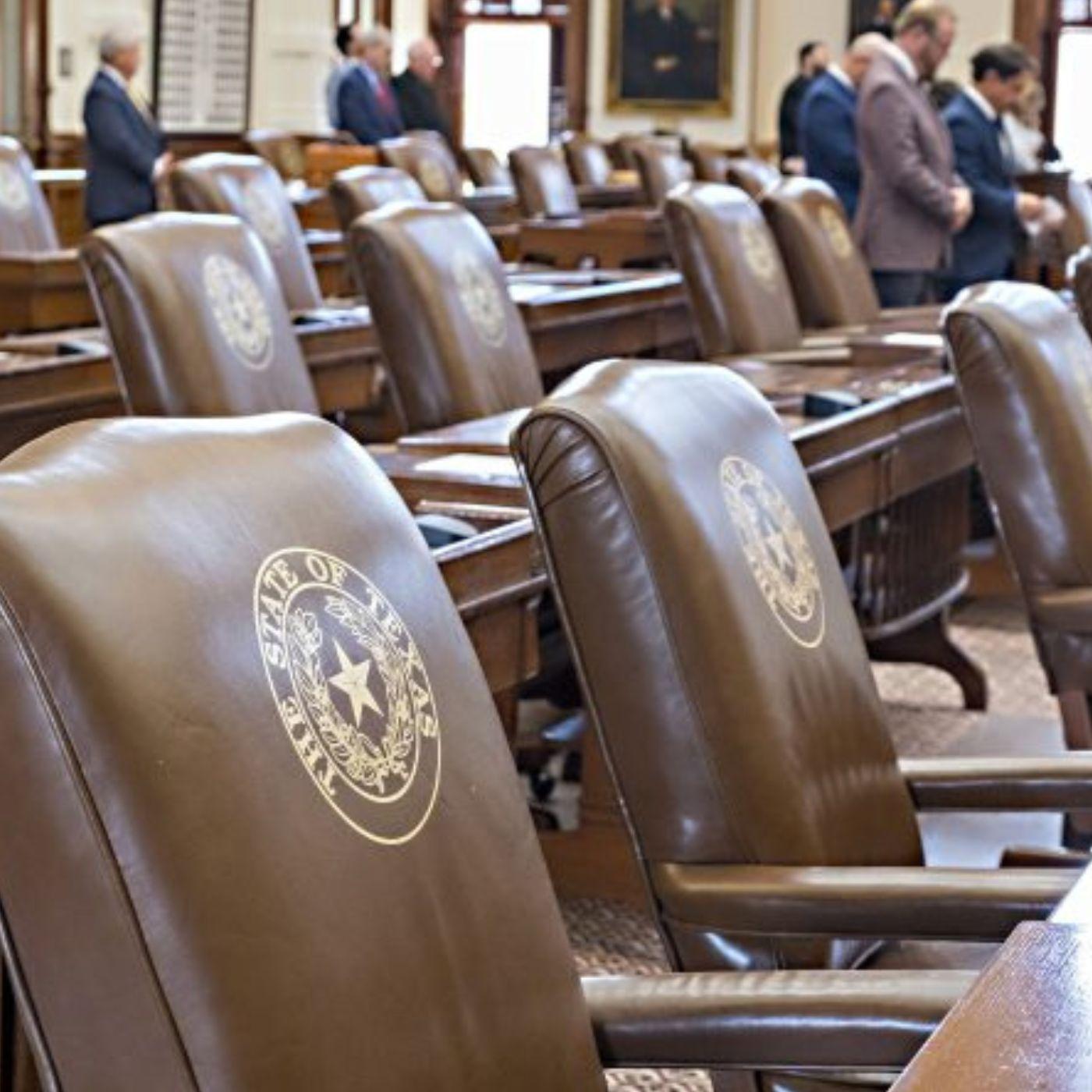
Thumbnail for "As Texas goes, so goes the nation".
Journalist Robert T. Garrett joins host Krys Boyd to discuss redistricting and other challenges to the status quo Trump hopes start in Texas and spread from there.
Thumbnail for "Who wants a Guinness World Record?".
Lauren Larson, senior staff writer at Texas Monthly magazine, joins host Krys Boyd to discuss the difficulty of setting wacky world records today.
Thumbnail for "Why too many people die too young".
Former CDC director and now CEO of Resolve to Save Lives Dr. Tom Frieden joins host Krys Boyd to discuss why we need the political will to transform an ailing system.
Thumbnail for "Surprise! Your dad is not your father".
Jennifer Wilson, a staff writer at The New Yorker, joins host Krys Boyd to discuss what happens when home DNA kits produce unexpected results and why some call for paternity testing at birth.
Thumbnail for "Wear this not that – if you care about the planet".
Laila Petrie, director general of the charity Future Earth Lab, joins host Krys Boyd to discuss sustainability in fashion and how fast fashion contributes to climate change.
Thumbnail for "What the left and the right misunderstand about gun violence".
University of Chicago public policy professor Jens Ludwig joins host Krys Boyd to discuss how behavioral economics offers insight into what works to curb gun homicides.
Thumbnail for "Here’s what to do if you’re lonely".
Host Krys Boyd talks with three experts who take on loneliness head on, from why it’s so hard to address, to ways to use our creativity to connect with others, to a guide for making and keeping friends.
Thumbnail for "The reboot of Silicon Valley".
Mike Isaac, Silicon Valley and technology reporter for The New York Times, joins Krys Boyd to discuss the transformation of the cushy Silicon Valley work style.
Thumbnail for "Ozempic doesn’t work for everybody".
Freelance writer Andrea Javor joins host Krys Boyd to discuss her journey using Ozempic, the disappointment that came when the scale didn’t budge for her, and why doctors think GLP-1s can regulate diabetes without the weight loss.
Thumbnail for "Like — literally the most misunderstood word".
Megan C. Reynolds, editor at Dwell magazine, joins host Krys Boyd to discuss one little word that defines so much of modern speech: like.
Thumbnail for "Why it’s hard to make stuff in the U.S.".
Rachel Slade joins host Krys Boyd to discuss challenges small businesses face when they want to source American-made products, how regulation gets in the way, and why labor unions might help bring jobs back.
Thumbnail for "Stuff you can do to be happier".
Arthur C. Brooks, a Harvard Professor and columnist at The Atlantic, joins host Krys Boyd to discuss a compendium of his columns about the pursuit of happiness.
Thumbnail for "The scientific brain drain out of the U.S".
Ross Anderson, staff writer at The Atlantic, joins host Krys Boyd to discuss how Trump administration policies are opening up foreign opportunities for researchers.
Thumbnail for "5% of Canadians now choose euthanasia".
Elaina Plott Calabro, staff writer at The Atlantic, joins host Krys Boyd to discuss why the MAID law has made medically assisted death more common in Canada.
Thumbnail for "Why immigration lawyers have it so hard".
Journalist Tekendra Parmar joins host Krys Boyd to discuss how immigration attorneys are approaching their workload.
Thumbnail for "How to have a career that matters".
Rutger Bregman, historian and co-founder of The School for Moral Ambition, joins host Krys Boyd to discuss why so many people feel like their jobs don’t make a difference in the world.
Thumbnail for "Do the muscles make the man?".
Washington Post classical music critic Michael Andor Brodeur is a lifelong lifter, and she joins host Krys Boyd to discuss his examination of modern masculinity, why the gym took over after the Industrial Revolution, and what building muscle means for healthy — or unhealthy — identities
Thumbnail for "Do narcissists deserve compassion?".
Nick Keppler joins host Krys Boyd to discuss how narcissistic personality disorder is diagnosed and the people who genuinely want to change.
Thumbnail for "Why businesses love it when you tip their workers".
Eyal Press is a contributing writer for The New Yorker, and he joins host Krys Boyd to discuss why restaurant owners will benefit most from eliminating income taxes on tips.
Thumbnail for "A.I. is writing obits now".
Enter A.I. Drew Harwell is a technology reporter for The Washington Post, and he joins host Krys Boyd to discuss the rise of obituary-writing artificial intelligence, how funeral homes are eager to embrace it.
Thumbnail for "Why would-be air traffic controllers quit".
Washington Post transportation reporter Ian Duncan joins host Krys Boyd to discuss why the rates of completion for federally funded FAA training programs are so low and the toxic culture in air traffic controller apprenticeships.
Thumbnail for "The winners and losers of gerrymandering".
Samuel Wang, professor of neuroscience and leader of Princeton's The Gerrymandering Project, joins host Krys Boyd to discuss gerrymandering efforts in Texas and beyond.
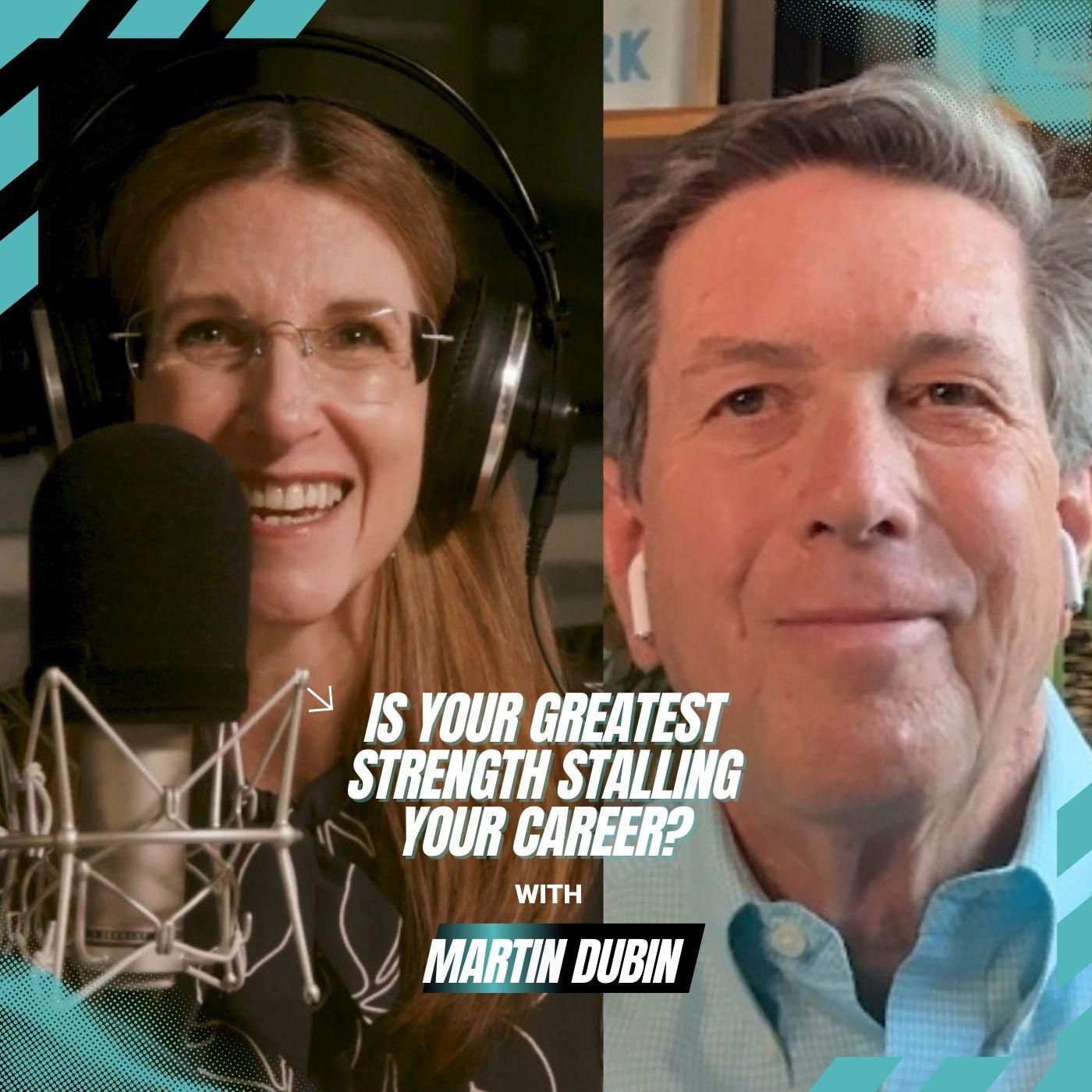
Thumbnail for "Is your greatest strength stalling your career?".
Martin Dubin, clinical psychologist, entrepreneur and business coach, joins host Krys Boyd to discuss the skills business school can’t teach you.
Thumbnail for "What elitists and populists have in common".
Curtis Bram, a political scientist at The University of Texas at Dallas, joins host Krys Boyd to discuss the two sides of modern governing: elitism and populism, and questions whose job it is to actually protect democracy —voters or politicians?
Thumbnail for "Don’t worry if you can’t sleep".
Jennifer Senior, staff writer at The Atlantic, joins host Krys Boyd to discuss sleep anxiety, why we find it so hard to get a good night’s rest.
Thumbnail for "Life after mental illness".
New Yorker staff writer Rachel Aviv joins host Krys Boyd to discuss a woman diagnosed with severe mental illness for years before doctors realized it was an autoimmune response.
Thumbnail for "How to fix hybrid work".
Peter Cappelli is the George W. Taylor Professor of Management at the Wharton School and the director of its Center for Human Resources. He joins host Krys Boyd to discuss why hybrid work holds workers back in terms of promotions.
Thumbnail for "Is the U.S. in charge of the Americas?".
Viet Thanh Nguyen, professor of literature at the University of Southern California, joins host Krys Boyd to discuss his trip to El Salvador, and how their versions of American greatness differ immensely as they look to immigration and violence in the region.
Thumbnail for "Why are Gazans starving?".
Ciarán Donnelly, SVP for International Programs with the International Rescue Committee (IRC), joins host Krys Boyd to discuss starvation in the Gaza strip.
Thumbnail for "The joy of being a word nerd".
Martha Barnette, co-host of the popular radio show and podcast “A Way with Words,” joins host Krys Boyd to discuss her love of language and all the myriad ways words bring us joy.
Thumbnail for "When organ donations go wrong… for the donor".
Brian M. Rosenthal, investigative reporter at The New York Times, joins host Krys Boyd to discuss how some donors, thought to be deceased, have shown signs of life just before vital organ harvesting.
Thumbnail for "How dogs are helping cure cancer".
Bob Holmes, contributor for Knowable Magazine, joins host Krys Boyd to discuss the biomedical bond between dogs and people.
Thumbnail for "Are your podcasts changing your personality?".
Liel Leibovitz is editor-at-large for Tablet and joins host Krys Boyd to discuss how the very saturated podcast market is making us silo ourselves even further from one another.
Thumbnail for "Treating the earliest signs of psychopathy".
Maia Szalavitz, author and contributing opinion writer for the The New York Times, joins host Krys Boyd to discuss children who are behaving in “callous, unemotional” ways.
Thumbnail for "The mystery and misery of headaches".
Tom Zeller Jr. is co-founder and editor-in-chief of Undark, and joins host Krys Boyd to discuss why, with so many billions of people suffering, headache research is not a top priority in medicine.
Thumbnail for "Why we still need shade in an A.C. world".
Environmental journalist Sam Bloch joins host Krys Boyd to discuss how, in a world that faces searing temperatures, shade is a natural resource we should all be striving for.
Thumbnail for "Spilling the tea on low-T".
Stephanie Pappas is a freelance science journalist, and she joins host Krys Boyd to discuss the many issues testosterone therapy claims to fix.
Thumbnail for "Do we need to be nice to A.I.?".
Sigal Samuel is a senior reporter for Vox’s Future Perfect and she joins host Krys Boyd to discuss what would happen if A.I. woke up to its own existence. Read more
Thumbnail for "Is it too late to save social security?".
Teresa Ghilarducci is professor of economics and policy analysis at the New School for Social Research and she joins host Krys Boyd to discuss what’s happening with the social security funds so many Americans rely on.
Thumbnail for "Where does language come from?".
Science writer Laura Spinney joins host Krys Boyd to discuss the proto-Indo-European language, how it connects languages as varied as English and Russia.
Thumbnail for "Why adolescence looks different today".
Matt Richtel, health and science reporter at The New York Times, joins host Krys Boyd to discuss why kids today are more careful physically but need more help mentally.
Thumbnail for "Is wellness just for the well-off?".
Amy Larocca is a journalist who spent 20 years at New York magazine as both fashion director and editor at large. She joins guest host Paige Phelps to discuss how the moneyed and elite have moved fashion to the “wellness” space.
Thumbnail for "Does the world need more people?".
Dean Spears is founding executive director of r.i.c.e., a nonprofit that works to promote children’s health, growth, and survival in rural India. He joins host Krys Boyd to discuss a future with far fewer humans in just the next few decades.
Thumbnail for "What its like to fight a wildfire".
Jordan Thomas is a former Los Padres hotshot wildland firefighter and currently an anthropologist and chancellor’s fellow at the University of California, and he joins host Krys Boyd to discuss why climate change doesn’t tell the whole story.
Thumbnail for "A cultural history of UFOs".
Greg Eghigian, professor of history and bioethics at Pennsylvania State University, joins host Krys Boyd to discuss the history of America’s fascination with UFOs — an obsession that spread globally — and what it all means for our civilization back here on Earth.
Thumbnail for "The new alternative to opioids".
Rivka Galchen holds a medical degree in addition to being a staff writer for The New Yorker, and she joins guest host Courtney Collins to discuss progress on developing alternative painkillers and why pain is so hard to manage in the first place.
Thumbnail for "The Corps of Engineers vs. the environment".
Northeastern University history professor Gretchen Heefner discusses how modern warfare has shaped the way the Army Corps of Engineers approaches the challenges of extreme environments.
Thumbnail for "Elon’s gone, so what’s left of DOGE?".
Benjamin Wallace-Wells of the New Yorker discusses the agencies gutted by Musk’s attempts at cost cutting.
Thumbnail for "The U.N. is kind of a mess".
Journalist Amanda Chicago Lewis joins discusses why U.N. resolutions are easily ignored and if the institution has outlived its purpose.
Thumbnail for "How Trump’s tariffs could work".
Emily Kilcrease of the Center for a New American Security (CNAS) discusses the need for an overhaul of global trade policy.
Thumbnail for "Should pseudoscience be taken seriously?".
Matthew Hongoltz-Hetling joins host Krys Boyd to discuss a pushback against the scientific establishment, what our affinity for storytelling has to do with our long-held beliefs, and why the paranormal might need to be taken seriously in the future.
Thumbnail for "Philanthropist chef José Andrés gives hope through food".
José Andrés joins host Krys Boyd to discuss the hope and nourishment food brings to those in desperate need, how he built his humanitarian mission, and the types of people he surrounds himself with to make the world a better place.
Thumbnail for "Actor Ed Helms on history’s biggest screw ups".
Ed Helms joins host Krys Boyd to talk about the cats that were trained for the CIA, a plan to nuke the moon, and other bad ideas that never saw fruition (thankfully).
Thumbnail for "Roxane Gay on 500 years of feminism".
Roxane Gay joins host Krys Boyd to talk about editing a new collection that looks at hundreds of years of feminist writers and why the ideas around women’s rights are always evolving.
Thumbnail for "Why coincidences are more math than magic".
Sarah Hart is professor of geometry at Gresham College and professor emerita of mathematics at Birkbeck, University of London. She joins host Krys Boyd to discuss why we so often look for coincidences in our lives — and why that’s a mathematically futile endeavor.
Thumbnail for "The best life may not be the most comfortable".
Shigehiro Oishi, Marshall Field IV Professor of Psychology at the University of Chicago, joins host Krys Boyd to discuss his concept of “psychological richness,” where curiosity and spontaneity provide the stimulation we need, and how this outlook can carry us even through the hardest patches of our lives.
Thumbnail for "The substance inside you inspiring new medicine".
Grace Wade is a health reporter for New Scientist, and she joins host Krys Boyd to discuss the new world of mucus research and how it’s both a chemical and physical barrier to disease.
Thumbnail for "Are we thinking about the wealth gap wrong?".
Daniel Waldenstrom is professor of economics and he joins host Krys Boyd to discuss why understanding the metrics of measuring inequality is critical to understanding that not all people — or even countries — are being as hard hit as we might believe.
Thumbnail for "Why it’s hard to make stuff in the U.S.".
Rachel Slade joins host Krys Boyd to discuss challenges small businesses face when they want to source American-made products, how regulation gets in the way, and why labor unions might help bring jobs back.
Thumbnail for "Why we’re not trying to beat Russia and China".
Stacie E. Goddard is Betty Freyhof Johnson ’44 Professor of Political Science and associate provost at Wellesley College. She joins host Krys Boyd to discuss how, despite big talk and tariffs, Trump is hoping to shift America’s foreign policy towards alliances.
Thumbnail for "Our obsession with health trackers".
Adam Clark Estes, senior technology correspondent at Vox, joins host Krys Boyd to discuss his experience wearing a multitude of health trackers.
Thumbnail for "Pregnancy and the digital rabbit hole".
Amanda Hess, critic at large for The New York Times, joins guest host Courtney Collins to discuss the hazards of birthing and raising children in a digital world with both helpful and harmful information at our fingertips, and how parents can cut through the online chatter.
Thumbnail for "What makes a genius".
Helen Lewis is a staff writer at The Atlantic and host of the BBC podcast series “The New Gurus” and “Helen Lewis Has Left the Chat”. She joins host Krys Boyd to discuss why the very idea of “genius” is a social construct, why the label excludes as much as it includes, and why it’s time to look at creativity in a new way.
Thumbnail for "The value of wacky sounding science".
Carly Anne York, associate professor at Lenoir-Rhyne University, joins host Krys Boyd to discuss seemingly wacky scientific inquiries – into everything from worm blobs to elephant pee – and how they’ve yielded real breakthroughs that add to both knowledge and the economy.
Thumbnail for "The most taboo abortions".
Amy Littlefield, The Nation’s abortion access correspondent, joins host Krys Boyd to discuss why late-term abortions are both rare and mischaracterized and what she witnessed when she visited an abortion clinic.
Thumbnail for "What RFK gets wrong about autism".
Vox senior correspondent Dylan Scott joins host Krys Boyd to discuss why Kennedy’s inquiry may be misdirected and how he’s discounting the fact that around 80 percent of autism causes are genetic.
Thumbnail for "Sunlight can be medicine. Literally".
Science journalist Rowan Jacobsen joins host Krys Boyd to discuss why researchers are focused on patients with multiple sclerosis and their responses to UV therapies.
Thumbnail for "The secrets of superstar siblings".
New York Times Magazine staff writer Susan Dominus joins host Krys Boyd to discuss her exploration of high-achieving siblings, what their parents did right (and what you might be doing wrong), and how a little friendly competition might be a key motivator.
Thumbnail for "Are you raising a bully?".
Elizabeth Englander is executive director of the Massachusetts Aggression Reduction Center at Bridgewater State University. She joins host Krys Boyd to discuss why children bully and what to do to intervene.
Thumbnail for "Where violent extremists gather online".
Tamar Mitts is a professor of international and public affairs at Columbia University. She joins host Krys Boyd to discuss the difficult task of policing online hate.
Thumbnail for "The cartels are dealing eels now".
Ellen Ruppel Shell, professor emeritus of science journalism at Boston University, joins host Krys Boyd to discuss an animal that’s one of the most trafficked on Earth, a brief history of the significance of eels, and why they’re still somewhat mysterious.
Thumbnail for "The first humans got the best sleep".
Merijn van de Laar is a sleep scientist and psychologist, and he joins guest host Courtney Collins to discuss approaching insomnia through an archaeological lens, asking how our ancestors got a good night’s rest and what they could teach us here in the modern world.
Thumbnail for "Is fitness the ultimate flex?".
Cat Zhang, culture writer at the Cut, joins host Krys Boyd to discuss how the pandemic propelled Americans into “performing” fitness.
Thumbnail for "Is there a cure for medical racism?".
Uché Blackstock MD, founder of Advancing Health Equity, joins host Krys Boyd to discuss her family how she’s devoted her career to understanding and addressing health inequities of different races.
Thumbnail for "The secrets of super healthy old people".
Dr. Eric Topol is executive vice president and a professor of molecular medicine at Scripps Research, the largest nonprofit biomedical institute in the United States. He’s also a practicing cardiologist, and he joins host Krys Boyd to discuss the study of what he calls the “wellderly” – those people who age to 80 without chronic disease – and the findings that he says can help us all reach that milestone.
Thumbnail for "It’s OK for mothers to feel hate".
Margo Lowy, psychotherapist and contributor to Psychology Today, joins host Krys Boyd to discuss the perfectly normal feelings of sometimes hating the work of motherhood, why it’s so hard to talk about it, and why more women need to open up about their unaddressed needs.
Thumbnail for "Was pop culture better when you were a kid?".
Spencer Kornhaber, staff writer for The Atlantic, joins host Krys Boyd to discuss how the massive output of music, TV, movies, podcasts – even memes – constantly chips away at our attention spans. We’ll also talk about how derivative this content often is, how streaming might’ve killed creativity, and why innovation is so hard to notice.
Thumbnail for "How A.I. is getting in the way of real learning".
Clay Shirky, vice provost for A.I. and technology in education at New York University, joins host Krys Boyd to discuss how professors are using A.I. in the classroom and whether or not the technology gets in the way of critical thinking.
Thumbnail for "How it’s possible to starve to death in a U.S. jail".
New Yorker staff writer Sarah Stillman joins host Krys Boyd to discuss the four-fold increase since the 1980s of people in jail awaiting trial, the increasingly outsized population of mentally unwell people lacking proper treatment, and the alarming rise in jail deaths that could’ve been prevented with better supervision.
Thumbnail for "From fathers to dads: The evolution of fatherhood".
Augustine Sedgwick joins host Krys Boyd to discuss how fatherhood has evolved over millennia, how the patriarchy and fatherhood diverge, and how thinkers as far back as Aristotle thought about the role of dads.
Thumbnail for "Astronaut Cady Coleman on making space for everyone".
Cady Coleman is a former NASA astronaut, retired U.S. Air Force colonel, scientist, pilot and musician. She joins host Krys Boyd to discuss how hearing Sally Ride speak changed the trajectory of her life and what months on the International Space Station taught her about her career and motherhood.
Thumbnail for "Why you fight about the dishwasher".
Ellen Cushing, staff writer for The Atlantic, joins host Krys Boyd to discuss why arguments over daily chores might signal deeper issues in a partnership, why some household appliances have such a hold on us, and, yes, we’ll get to scientific proof of how that dishwasher is really supposed to be loaded.
Thumbnail for "What we’re not giving our boys".
Joshua Coleman is a psychologist in private practice and senior fellow with the Council on Contemporary Families. He joins host Krys Boyd to discuss how we parent girls and boys differently, asking boys to hide their emotions while allowing girls to express theirs and how even in infancy we don’t give boys the attention they need reliably.
Thumbnail for "The history of happiness research".
Susan Dominus, staff writer for The New York Times Magazine, joins host Krys Boyd to discuss how studying happiness became a respected field of study, what psychologists are learning about different types of happiness, and what data says about contentment.
Thumbnail for "Why tech moguls think they’re saving humanity".
Science journalist Adam Becker joins host Krys Boyd to discuss the ways Silicon Valley scions might have A.I. all wrong, the obsession with space colonies and why we aren’t asking more critical questions for their version of the future.
Thumbnail for "Are we focusing on the wrong risky things?".
Allie Volpe is a senior reporter at Vox. She joins host Krys Boyd to discuss the many ways we get risk management wrong, why data shows it is hindering younger generations from taking chances and ways we can manage anxiety over the things we can’t control.
Thumbnail for "Meet the new American pope".
Christopher White joins host Krys Boyd to discuss the Chicago-born Robert Francis Prevost, what his mission for the church might be going forward, and the significance of the papal name he’s chosen as he now looks to lead 1.4 billion Roman Catholics.
Thumbnail for "Why pilots are afraid to seek help".
Helen Ouyang joins host Krys Boyd to discuss rules around pilot health — which can discourage them to seek necessary treatment for fear of being deemed unfit to fly — and why there are both pros and cons to the policy.
Thumbnail for "The surprising new science of A.D.H.D.".
Paul Tough joins host Krys Boyd to talk about why A.D.H.D. might be experienced by anyone at a given time and might not be a permanent diagnosis, and why doctors are rethinking standard stimulant medications.
Thumbnail for "The year civil rights caught fire".
Peniel Joseph joins host Krys Boyd to discuss how different political perspectives shaped a pivotal year in Civil Rights history and how violence woke the nation up to the urgent need for change.
Thumbnail for "Why we’ll never evolve to be perfect".
Laurence D. Hurst joins host Krys Boyd to discuss why imperfection is baked into our genetic code, why other species can get rid of “junk” DNA better, and what this means for human evolution.
Thumbnail for "Suck it up: You actually can manage your emotions".
Ethan Kross joins host Krys Boyd to discuss the newest research into controlling our emotions so they don’t control us, how labeling feelings as “good” and “bad” helps build a feelings immune system, and why avoidance is sometimes a great tool.
Thumbnail for "Why young adults can’t stop spending".
Claire Lampen joins host Krys Boyd to discuss why Gen Z is taking on second jobs and side hustles to pay for meals out, elaborate vacations and other treats that might more prudently be skipped.
Thumbnail for "The mistakes of Covid school shutdown".
David Zweig joins host Krys Boyd to discuss what we can learn from school closures during the pandemic and to look at the reality that decisions were based on scientific guesswork.
Thumbnail for "The sexualization of girl power".
Sophie Gilbert joins host Krys Boyd to discuss what coming of age in the early aughts meant for young women in an atmosphere of highly sexualized body image, how porn manifested itself into pop culture, and what society had to say about powerful women.
Thumbnail for "Grandparents need a break, too".
Faith Hill joins host Krys Boyd to discuss how lack of childcare is reshaping what used to be the golden years of grandparenting, how it’s changing what retirement looks like, and why saying “no” to family is so difficult.
Thumbnail for "Actor Ed Helms on history’s biggest screw ups".
Ed Helms joins host Krys Boyd to talk about the cats that were trained for the CIA, a plan to nuke the moon, and other bad ideas that never saw fruition (thankfully).
Thumbnail for "Philanthropist chef Jose Andres gives hope through food".
Working as a chef, José Andrés fed restaurants full of diners, but his dream was to take that mission to a wider world. The chef, Emmy Award-winning television personality, author, educator, and founder of World Central Kitchen joins host Krys Boyd to discuss the hope and nourishment food brings to those in desperate need, how he built his humanitarian mission, and the types of people he surrounds himself with to make the world a better place. His book is “Change the Recipe: Because You Can’t Build a Better World Without Cracking Some Eggs.”
Thumbnail for "The painful history of Indian boarding schools".
Mary Annette Pember joins host Krys Boyd to discuss the legacy these schools left behind, from generational trauma to tribes working even today to reclaim their languages and ceremonies, and why the U.S. took this route to assimilate Native populations in the first place.
Thumbnail for "Will allies still share intelligence with America?".
David V. Gioe joins host Krys Boyd to explain what an “intelligence liaison” is and why the U.S. has broken those unwritten rules, and why that might put our national security in a precarious position.
Thumbnail for "The rebellious past of the public library".
Dawn Logsdon joins host Krys Boyd to discuss how the public library came to be so ubiquitous in American life— and so loved, and the age-old efforts to limit the books they distribute.
Thumbnail for "The reporter who sparked the #MeToo movement".
Jodi Kantor joins host Krys Boyd to talk about her work uncovering consequential stories, when she knows a story is ready for print, and what attracts her to stories that hold powerful people to account.
Thumbnail for "What the U.S. military learned from Ukraine".
New York Times investigative reporter Adam Entous joins host Krys Boyd to discuss the dramatic secret U.S. military missions to Ukraine. And we’ll speak with the mayor of Ukraine’s second largest city, Kharkiv, about his appeal to Americans to not forget his country.
Thumbnail for "Don’t expect science to explain everything".
Jeffrey Kripal joins host Krys Boyd to discuss UFOs, souls, déjà vu and how these universal concepts make us more human.
Thumbnail for "Project 2025 is happening".
David Graham, staff writer at The Atlantic, joins host Krys Boyd to discuss the document that offers a blueprint for the second Trump administration, how it wants to align the DOJ with the oval office’s desires, and how it envisions the country changing socially and economically.
Thumbnail for "Do we still care about due process?".
New Yorker staff writer Jonathan Blitzer joins host Krys Boyd to discuss cases of men mistaken for members of the Venezuelan gang Tren de Aragua and deported anyway, efforts to get them back, and how the U.S. court system seems one step behind the fast-moving orders from the White House.
Thumbnail for "Archive: How Pope Francis changed the Church".
Christopher White is the Vatican correspondent for National Catholic Register, and he joins host Krys Boyd to discuss the current pontiff’s health and history – and what being the first pope from Latin America means for his legacy and the church going forward.
Thumbnail for "What glaciers do for all of us".
Host Krys Boyd talks with Dr. Twila Moon and Dr. Heïdi Sevestre about the role of glaciers in climate science.
Thumbnail for "How your brain makes up its mind".
Emily Falk is professor of communication, psychology and marketing at the University of Pennsylvania and she joins host Krys Boyd to discuss how our behavior is shaped by the opinions of those around us and the benefits of evolving this way.
Thumbnail for "Dictators sometimes take power quietly".
Aziz Huq teaches law at the University of Chicago, and he joins host Krys Boyd to discuss specifically how the Nazis rose to power and began to persecute Jews in part because the rest of German society just went about its business without objection.
Thumbnail for "Do you need to be worried about aviation safety?".
Isaac Stanley-Becker, a staff writer at The Atlantic, joins host Krys Boyd to discuss why DOGE layoffs mean safety technicians and other critical roles are understaffed.
Thumbnail for "The inequality you may be overlooking".
Nilanjana Dasgupta is provost professor of psychology and inaugural director of the Institute of Diversity Sciences at the University of Massachusetts, Amherst. She joins host Krys Boyd to discuss our status quo cultural norms.
Thumbnail for "Roxane Gay on 500 years of feminism".
Roxane Gay joins host Krys Boyd to talk about editing a new collection that looks at hundreds of years of feminist writers and why the ideas around women’s rights are always evolving.
Thumbnail for "Wanna win with money? Try game theory".
Daryl Fairweather, chief economist at Redfin, joins host Krys Boyd to discuss what she calls the game of economics and why it’s set up for those who are already financially well off to continue winning – and how using game theory can help level the playing field.
Thumbnail for "How the science of dying can help us live longer".
Venki Ramakrishnan, structural biologist and Nobel Prize winner, joins host Krys Boyd to discuss the quest to live forever, if that’s even ethical, and what it looks like to alter our physiology.
Thumbnail for "What A.I knows about you".
Vauhini Vara joins host Krys Boyd to discuss her experience asking A.I. for critiques and insights into her deepest feelings – and we’ll consider the portrait A.I. creates of us based on what we share with it.
Thumbnail for "Covid changed us".
David Wallace-Wells joins host Krys Boyd to discuss Covid five years on, how the pandemic changed the way we view each other, and the distrust it has woven into our most venerable institutions.
Thumbnail for "The child abusers you wouldn’t expect".
Detective Mike Weber joins guest host Courtney Collins to discuss his experience with several cases of medical child abuse, profiling of the mothers who committed the injuries, and how he meticulously uncovered evidence of these notoriously difficult to diagnose crimes.
Thumbnail for "How to re-engage your teen".
Jenny Anderson joins guest host Courtney Collins to discuss why teens disconnect from the world and to offer strategies to get them back on track not only in the classroom, but also in life.
Thumbnail for "Meet the nuns of Texas’s death row".
New Yorker staff writer Lawrence Wright joins guest host Courtney Collins to discuss the deep bonds nuns have with condemned inmates, what it says about faith and friendship, and how they view the death penalty as law.
Thumbnail for "Where do the Democrats go from here?".
Katie Glueck joins guest host John McCaa to discuss why the Blue Wave never materialized, the current mood of a party marked by in-fighting, and strategies Democratic Party leadership might employ heading into the 2026 mid-terms.
Thumbnail for "The story of Black literacy in the South".
University of South Carolina School of Law professor Derek W. Black joins guest host John McCaa to talk about the history of Southern leaders withholding literacy from Black people from the end of the Civil War through Reconstruction and beyond – and about the lengths that Black Americans have gone to to get an education.
Thumbnail for "The scientists who believe in near death experiences".
Science journalist Rachel Nuwer joins host Krys Boyd to discuss the phenomenon, which has been recorded since ancient times, and how it may offer insight into how we understand consciousness.
Thumbnail for "Are teens afraid of dating?".
Faith Hill, a staff writer at The Atlantic, joins host Krys Boyd to discuss the demise of teenage dating, what kids are missing out on when they don’t practice being in adult-like relationships, and how a new idea of adolescence is being formed — for better or worse.
Thumbnail for "Are school grades failing students?".
Author Daniel Pink joins host Krys Boyd to discuss the history of letter and number grading, why they don’t move students to care about their education or help with material retention, and why it might be time to ditch them altogether.
Thumbnail for "The power of shame in human rights".
Kenneth Roth, former executive director of Human Rights Watch, joins host Krys Boyd to discuss his organization’s tactic of “naming and shaming” countries that violate human rights and why Americans are sometimes blind to the lessening of freedoms and dignity around the world.
Thumbnail for "The liberal case for limiting immigration".
David Leonhardt joins host Krys Boyd to discuss Denmark’s Center-Left party, which argues that restraining immigration and demanding immigrants assimilate quickly is the only way the country can continue to provide its generous social programs. And we’ll hear if U.S. Democratic Party leaders are taking note.
Thumbnail for "Is your brand the same as your identity?".
Rebekah Taussig joins host Krys Boyd to discuss why, while she’s a champion of disability rights, she worries this has pigeonholed her when she wants to explore so many other topics and possibilities.
Thumbnail for "How people get skipped for organ transplant".
Brian M. Rosenthal joins host Krys Boyd to discuss the problems with the system of organ donation, why healthy matches are routinely skipped and what can be done to fix a broken process.
Thumbnail for "The visa process is absurd".
Felipe Torres Medina joins host Krys Boyd to discuss his seemingly impossible journey to obtain a green card, why navigating the system can feel Kafkaesque, and what a proposed option for the rich to buy their citizenship could mean for the American Dream.
Thumbnail for "Why measles keeps this doctor awake at night".
Dr. Adam Ratner is a pediatric infectious diseases physician in New York City, and he joins host Krys Boyd to discuss the return of measles, what it does to the body — especially in young children — what it took to develop the very safe and effective vaccine we have today and what it means that vaccine hesitancy rates are rising.
Thumbnail for "Who gets treated as ‘disposable’ in America".
Sarah Jones, senior writer for New York magazine, joins host Krys Boyd to discuss the cracks in the social fabric that Covid revealed, why denialism of the illness proved to be so devastating and the death of her own grandfather from the disease.
Thumbnail for "When moving day was an American holiday".
Yoni Applebaum is deputy executive editor of The Atlantic and author of “Stuck: How the Privileged and the Propertied Broke the Engine of American Opportunity.” He joins host Krys Boyd to discuss how a decline in geographic mobility has reshaped the last 50 years – and his theory that it’s affecting our nation’s ingenuity and prosperity.
Thumbnail for "Eureka! How your brain figures it out".
John Kounios is professor in the Department of Psychological and Brain Sciences and director of the Creativity Research Lab at Drexel University. He joins host Krys Boyd to discuss what scientists understand about how the brain solves problems – and how we might tap into this phenomenon more often.
Thumbnail for "What’s your conflict style?".
Jim Guinn is president of the Resolution Resource Group, a training and development company. He joins host Krys Boyd to discuss how managers spend the equivalent of one full workday a week managing team problems and his plan for identifying stressors before they get out of hand.
Thumbnail for "There’s no perfect substitute for human blood".
Nicola Twilley talks to Krys Boyd about the breakthroughs — and setbacks — in the quest for artificial blood, why it’s needed more than ever, and why eyes are on Big Pharma to finance it.
Thumbnail for "Will DOGE really kill the bureaucracy?".
Andrew Cockburn is Washington editor of Harper’s Magazine, and he joins us to talk about why reigning in federal agencies has been a challenge for previous administrations – and if the Department of Government Efficiency has figured out how to do it.
Thumbnail for "A scientific guide to a better brain".
This hour, host Krys Boyd is joined by three guests who will explain how we can regain our ability to focus and tame our overactive minds – plus we’ll learn all about the growing research into the many ways listening to music benefits our brains.
Thumbnail for "The link between gun violence and family violence".
Abené Clayton is a reporter for the Guardian’s Guns and Lies in America project. She joins host Krys Boyd to discuss why Black women are especially vulnerable to gun violence and community violence, why root causes aren’t being addressed, and why the outreach programs that do exist are ineffective.
Thumbnail for "Why guys are still paying for dinner".
Certified clinical sexologist and dating coach Myisha Battle joins host Krys Boyd to discuss courtship in the modern world: who pays for what and why – and how the rise in women’s paychecks is upending dating norms.
Thumbnail for "Is recycling a waste?".
Journalist and author Alexander Clapp joins host Krys Boyd to discuss the countries that take our trash — and the ones that don’t — how much of what’s deemed recyclable actually gets made into something new and how we’re actually producing less trash today than a few decades ago.
Thumbnail for "Would Trump give Ukraine to Russia?".
Alexander Vindman discusses why he believes U.S. policy towards Russia has only emboldened Vladimir Putin and how tenants of liberal democracy might right the ship moving forward.
Thumbnail for "Do we really need the Dept. of Education?".
Rick Seltzer writes the Daily Briefing newsletter at The Chronicle of Higher Education. He joins host Krys Boyd to discuss what the Department of Education does on a daily basis.
Thumbnail for "ARCHIEVE: How to survive your grief".
Lucy Hone, director of the New Zealand Institute of Wellbeing & Resilience, joins host Krys Boyd to discuss why grieving looks different than what we’ve been taught previously and strategies for finding your way back to hope and normalcy.
Thumbnail for "The uncertain future of DEI".
Pavithra Moha, staff writer for Fast Company’s Work Life section, joins host Krys Boyd to discuss the backtrack of corporate D.E.I. efforts, how President Trump’s directives have cooled or eliminated programs put in place to attract or retain historically marginalized workers.
Thumbnail for "Can God speak through A.I?".
New York Times reporter Eli Tan joins host Krys Boyd to discuss how religious leaders are experimenting with artificial intelligence, asking questions and even generating sermons, and how this might connect with modern audiences searching for answers.
Thumbnail for "Breaking down the first month of Trump 2.0".
David E. Lewis is the Rebecca Webb Wilson University Distinguished Professor in the Department of Political Science at Vanderbilt University. He joins host Krys Boyd to discuss Trump’s first month in office, from tariffs to foreign policy, domestic actions to DOGE, and what it all means to the American people so far.
Thumbnail for "The wisdom of dogs".
Mark Rowlands, professor and chair of the philosophy department at the University of Miami, joins host Krys Boyd to discuss what he’s learned from observing his dog, Shadow, from microlessons in morality to understanding the temporal nature of life itself.
Thumbnail for "Trumponomics and the price of eggs".
Rogé Karma, staff writer at The Atlantic, joins host Krys Boyd to discuss the many swirling factors that go into taking a bird’s eye view of the current economy, including what looks promising and what leaves economists in doubt.
Thumbnail for "The cost of writing about Black trauma".
When pursuing a career in writing, author Chad Sanders didn’t fully anticipate the personal cost of writing about Black pain. The screenwriter, public speaker and host of the Yearbook podcast, joins host Krys Boyd to discuss what he learned about being a Black writer for audiences hungry for stories about race and racism, and the unexpected toll that took on him emotionally.
Thumbnail for "How to buy more time on the doomsday countdown".
Daniel Holz, chair of the Bulletin’s Science and Security Board, joins host Krys Boyd to discuss the many factors that go into the Doomsday Clock calculations and why determining how close we are to disaster is an exercise in our capacity to change for the better.
Thumbnail for "Haven’t found ‘the one’? You’ll be ok.".
Meghan Keane, founder and managing producer for NPR’s Life Kit, joins host Krys Boyd to discuss her journey from dreading her singlehood to finding joy in it – and her advice to not put big life plans on hold as you look for love.
Thumbnail for "A world without USAID".
Brett Murphy is a Pulitzer Prize-winning reporter on ProPublica’s national desk, and he joins host Krys Boyd to discuss the rapid dismantling of the humanitarian agency and what will happen to the people around the world who rely on its help.
Thumbnail for "The Ozempic diabetes dilemma".
Wired contributor Virginia Heffernan joins host Krys Boyd to discuss how Danish drugmaker Novo Nordisk is stretched thin as demand for the drug skyrockets – and how President Trump’s designs on Greenland might actually affect supply.
Thumbnail for "Should you be worried about bird flu?".
Apoorva Mandavilli joins host Krys Boyd to discuss the H5N1 virus that has virologists concerned with its rapid evolution. And we’ll hear why poultry producers and dairy farmers are nervous about the future of their livelihoods and their ability to feed the nation.
Thumbnail for "The consequences of cutting people off".
Allie Volpe joins host Krys Boyd to discuss a new trend toward cutting out “toxic” friends —even if the toxicity is easily overcome with dialog — and why we’re shying away from the hard work of interpersonal relationships in the digital age.
Thumbnail for "Could Trump really kill birthright citizenship?".
Hiroshi Motomura is the Susan Westerberg Prager Distinguished Professor of Law and faculty co-director of the Center for Immigration Law and Policy at UCLA. He joins host Krys Boyd to discuss how birthright citizenship came to be, what the Trump administration’s challenge looks like, and what it means for immigrants and their families living in the U.S. today.
Thumbnail for "Why did we stop hanging out?".
Derek Thompson, staff writer at The Atlantic, joins host Krys Boyd to discuss the phenomenon where we’re on our phones but digitally surrounded by people, and how this isolation is rewiring us to be more anti-social – including in both our personal relationships and political lives.
Thumbnail for "Does science explain racism?".
Keon West, social psychologist at Goldsmiths at the University of London, joins host Krys Boyd to discuss his rigorous research into racist beliefs, the results of social experiments that show how far we’ve moved the mark since the Civil Rights era and what we can definitively say about prejudice today.
Thumbnail for "The best life may not be the most comfortable".
Shigehiro Oishi, Marshall Field IV Professor of Psychology at the University of Chicago, joins host Krys Boyd to discuss his concept of “psychological richness,” where curiosity and spontaneity provide the stimulation we need, and how this outlook can carry us even through the hardest patches of our lives.
Thumbnail for "The beauty of the color blue in Black culture".
Imani Perry is a National Book Award–winning author, Henry A. Morss Jr. and Elisabeth W. Morss Professor of Studies of Women, Gender, and Sexuality and of African and African American Studies at Harvard University, and a 2023 MacArthur Fellow. She joins host Krys Boyd to talk about the significance of the color from indigo cultivation, singing the blues, even how “Blue Lives Matter” was used to counteract “Black Lives Matter” protests.
Thumbnail for "What are the chances Trump gets Greenland?".
Joshua Keating is a senior correspondent at Vox covering foreign policy and world news with a focus on the future of international conflict. He joins host Krys Boyd to discuss the idea that the U.S. could take Greenland – possibly by force – and why that has international leaders worried about the potential for future land grabs.
Thumbnail for "What if we build houses on federal land?".
Michael Albertus, professor of political science at the University of Chicago, joins host Krys Boyd to discuss the plusses and minuses of an idea that’s been floated in many administrations: selling federal lands to cities and developers to address the affordable housing crisis.
Thumbnail for "Booze causes cancer, too".
Dr. Ernest Hawk is vice president and head of the division of Cancer Prevention and Population Sciences at The University of Texas MD Anderson Cancer Center and holds the T. Boone Pickens Distinguished Chair for Early Prevention of Cancer. He talks with host Krys Boyd about the ways alcohol causes cancer and what your risk might be. And later in the hour, Isabella Cueto, who covers chronic disease for Stat, talks about the fight the alcohol lobby is waging to stop this idea.
Thumbnail for "These fires in California won’t be the last".
Author John Vaillant joins host Krys Boyd to discuss these fires – plus other recent outbreaks in Texas, Canada and Australia – and to explore what it will take to keep densely populated areas safe.
Thumbnail for "How to spot ultra-processed food".
Jancee Dunn is the Well columnist for The New York Times, and she joins host Krys Boyd to offer simple ways we can identify the worst offenders in our diets and break our reliance on these foods.
Thumbnail for "A weakened Iran is still dangerous".
Council on Foreign Relations president emeritus Richard Haass joins host Krys Boyd to discuss Iran after Israel’s crippling blows to the leadership of both Hamas and Hezbollah — and the possibility of inroads for U.S. diplomacy.
Thumbnail for "When doing the right thing starts with saying no".
Sunita Sah is a trained physician and professor at Cornell University. She joins host Krys Boyd to discuss why it’s so hard to go against the grain in our lives, strategies for putting your foot down and why we should look at defiant teenagers in a new and positive light.
Thumbnail for "With telehealth, the E.R. comes to you".
Helen Ouyang is an emergency physician and an associate professor at Columbia University, and she joins host Krys Boyd to discuss why she initially objected to telehealth shifts but now believes the tool can further public health objectives – plus, she’ll offers tips on how to get the most out of a remote doctor-patient visit.
Thumbnail for "The equity case for standardized testing".
New York Times senior writer David Leonhardt joins host Krys Boyd to discuss using the SAT and ACT to asses students, why grade inflation and test-prep courses make admissions harder for institutions hoping to diversify their student bodies, and why test scores are more indicative of class than ability.
Thumbnail for "Archive: Why signing that online petition isn’t enough".
Sam Daley-Harris joins host Krys Boyd to discuss effective strategies for advocating for change that won’t leave you frustrated by the process.
Thumbnail for "Who decided that north was up?".
Jerry Brotton, professor of English and history at the University of London, joins host Krys Boyd to discuss how something as simple as a compass has come to define our world — from how “the West” defines political power, what we mean by “the Global South,” and why cardinal directions might have been some of the very first words used in human language.
Thumbnail for "The price of optimizing your donations".
New York Times business features writer Emma Goldberg joins host Krys Boyd to discuss hyper-efficiency in philanthropy — attracting donors by promising the most bang for their buck — and why this leaves smaller nonprofits behind. Plus, we’ll ponder the question: Should multiplying our dollars be the only reason we give?
Thumbnail for "Why coincidences are more math than magic".
Sarah Hart is professor of geometry at Gresham College and professor emerita of mathematics at Birkbeck, University of London. She joins host Krys Boyd to discuss why we so often look for coincidences in our lives — and why that’s a mathematically futile endeavor — why the blind luck behind lottery wins might not be so blind after all, and why revealing this magic with numbers makes the phenomenon all the more interesting.
Thumbnail for "The real reason fentanyl is killing fewer Americans".
Maia Szalavitz is a contributing Opinion writer for The New York Times. She joins host Krys Boyd to discuss age and race gaps in opioid death statistics, how naloxone is helping to prevent overdoses, and why people of color aren’t seeing the same results as their white peers.
Thumbnail for "Inside the movement to dismantle the government".
Russell Muirhead is Robert Clements Professor of Democracy and Politics at Dartmouth College, and he joins host Krys Boyd to discuss why non-elected workers in “the administrative state” find themselves in the crosshairs from both the right and the left, how Donald Trump’s term might affect them, and what elimination of their functions might mean for the nation.
Thumbnail for "Tech has outpaced evolution".
Richard E. Cytowic, professor of neurology at George Washington University, joins host Krys Boyd to discuss how our attention is now pulled in multiple directions, how that affects our neurotransmitters and dopamine levels, and to offers tips on how to get our habits back on track for a healthier mind.
Thumbnail for "The psychology of willful ignorance".
Mark Lilla, professor of the humanities at Columbia University, joins host Krys Boyd to discuss the age-old impulse to shield ourselves from information, why that might save our sanity, and what that means for our deep-seated ideas of innocence.
Thumbnail for "The American myth of hard work".
Journalist and author Adam Chandler joins host Krys Boyd to discuss the myth of meritocracy, his travels around the country talking with people from all walks of life who have the work ethic but success still eludes them, and what needs to change for us to really obtain that American dream.
Thumbnail for "Why hypochondria isn’t just in your head".
Joanne Silberner, co-founder of the Association of Healthcare Journalists, joins host Krys Boyd to discuss why it’s taken so long for the mental health community to take hypochondria seriously, the new ways it’s being diagnosed, and the devastating outcomes for those who don’t find help.
Thumbnail for "How zoning codes affect your life".
Sara C. Bronin, architect, attorney, and policymaker, and professor at Cornell University, joins host Krys Boyd to talk about how code dictates our daily lives from parks, housing, restaurants, and the architecture around us, and why it’s difficult to overcome inequalities built into the books.
Thumbnail for "Best of Think: The benefits of being in your feels".
This hour, host Krys Boyd talks about how we can find fulfillment in experiencing the bittersweet parts of life, how sensitive people can use their temperament as a strength.
Thumbnail for "Best of Think : A.I. is coming for knowledge workers".
Dennis Yi Tenen, associate professor at Columbia University talks about why we shouldn’t be afraid that A.I. is coming for jobs.
Thumbnail for "How to actually motivate young people".
UT-Austin psychology professor David Yeager explains how to be a supportive mentor for youth age 10-25 – when their brains are still taking shape.
Thumbnail for "Best of Think:Could animals possibly understand death?".
Susana Monsó is the associate professor of philosophy in the Department of Logic in Madrid. She discusses what animals know about dying – from mourning rituals to attempts at saving lives.
Thumbnail for "From Charley Pride to Beyoncé: The Black roots of country music".
Alice Randall, the first Black woman to write a No. 1 country hit, joins host Krys Boyd to discuss the Black roots of country music, from Grand Ole Opry acts that broke boundaries, to rising stars shaping the genre’s bright future.
Thumbnail for "Best of Think: Calming Your Brain in a Busy World".
Dr. Romie Mushtaq, physician and chief wellness officer for Evolution Hospitality, joins host Krys Boyd to discuss what she calls the “busy brain” – linked to insomnia, ADD and anxiety – and offers strategies to tame overactive minds.
Thumbnail for "Best of Think: A just world starts with imagination".
Ruha Benjamin, a professor at Princeton University, joins host Krys Boyd to discuss why we are failing at imagining a better world and how thinking big is the path to unlocking good.
Thumbnail for "Best of Think: Paris through the eye of a food writer".
Ruth Reichl, former editor of Gourmet magazine joins host Krys Boyd to discuss her new novel, which tells the story of a woman one a life-changing culinary trip to France.
Thumbnail for "Best of Think: The history of Gospel music".
Shayla Harris, director and producer of a new PBS documentary series called “Gospel,” joins host Krys Boyd to discuss the legacy of this American art form, from its birth in churches to its rise to the mainstream.
Thumbnail for "Best of Think: Is your culture cool with therapy?".
Sahaj Kaur Kohli, advice columnist for the Washington Post, joins host Krys Boyd to discuss why seeking out therapy is really difficult for the children of immigrants.
Thumbnail for "Comedian Hari Kondabolu on how fatherhood changes everything".
For comedian Hari Kondabolu, becoming a father changed how he accesses pure joy. He joins host Krys Boyd to discuss how becoming a parent has shifted his worldview, how he sees roles for Indian Americans changing in Hollywood and how making a live audience laugh helps him process his new philosophies.
Thumbnail for "How Trump’s deportations will work".
Edward Alden is a columnist at Foreign Policy, the Ross distinguished visiting professor at Western Washington University and a senior fellow at the Council on Foreign Relations. He joins guest host John McCaa to discuss this unprecedented effort to expel undocumented immigrants, how Trump might utilize the military, how the economy might be impacted and how this might shape immigration policy going forward.
Thumbnail for "The surprising shift in identity politics".
Wall Street Journal economics reporter Jeanne Whalen joins host Krys Boyd to discuss why Democrats are reeling from being labeled the party of “elites” when they could always count on communities of color for votes in the past, how Republicans have capitalized on economic concerns, and what this means for race relations moving forward.
Thumbnail for "Elon Musk vs. The Federal Budget".
Elon Musk and Vivek Ramaswamy have promised to cut $2 trillion from the federal budget with their Department of Government Efficiency. Simon Rabinovitch is U.S. economics editor for The Economist, and he joins host Krys Boyd to discuss how it may actually be possible to generate significant cost cutting – but not in the time frame the president-elect is hoping for.
Thumbnail for "Why we haven’t narrowed the racial health gap".
KFF Health News senior correspondent Renuka Rayasam joins host Krys Boyd to discuss why we’re failing to close the health gap – especially for rural, low-income African Americans – and why access to quality care is sometimes blocked by the states.
Thumbnail for "Author Colson Whitehead talks about ‘Nickel Boys’".
With the movie adaptation of “Nickel Boys” in theaters, Colson Whitehead’s celebrated novel is reaching new audiences. Whitehead joins host Krys Boyd to talk about his story of two boys assigned to a 1960s juvenile reformatory, bound by the trauma around them as they swing between hope and cynicism.
Thumbnail for "The best books of 2024".
Times Book Review editor Gilbert Cruz joins host Krys Boyd to discuss the best nonfiction and fiction books of 2024, from an 800-page biography of a president to a funny romantic comedy — there’s a book for everyone to enjoy.
Thumbnail for "America’s gamble on online sport betting".
Rolling Stone writer David Hill joins host Krys Boyd to discuss how new sports betting laws have opened up the market for all kinds of wagers and types of gamblers, the people who can’t stop, and the ways professional sports is changing because of the new money involved.
Thumbnail for "How to get your brain in gear".
Mithu Storoni is a physician, neuroscience researcher and ophthalmic surgeon. She joins host Krys Boyd to discuss why the 9-to-5 workday breaks up the natural rhythms of optimal brain function and offers tips for finding the best time to do your most creative and productive work.
Thumbnail for "Could DNA testing cost you your life insurance?".
Kristen V. Brown, staff writer at The Atlantic, joins host Krys Boyd to discuss giant loopholes in anti-discrimination laws that might allow disability and long-term care providers to exploit genetic testing results — even if a person never gets sick — and what that means for those told by a physician they should get tested.
Thumbnail for "Malcolm Gladwell revisits ‘The Tipping Point’".
Twenty-five years after the success of “The Tipping Point,” Malcolm Gladwell is back with new insights. The author and co-founder of Pushkin Industries joins host Krys Boyd to discuss new anecdotes from social science that help explain the world around us – and to update the theory of contagion for our modern world
Thumbnail for "Why don’t fish sink?".
Sönke Johnsen joins host Krys Boyd to discuss the wonders of vertical migration, why sharks must keep swimming to stay alive, and the clues offered to biologists that help piece together the questions of aquatic life evolution.
Thumbnail for "How does RFK Jr. define health?".
Yasmin Tayag, staff writer at The Atlantic, joins host Krys Boyd to discuss RFK Jr’s strategy to “Make America Healthy Again,” his distain for everything from vaccines to fluoride to processed foods – and his approach to managing a $1.7-trillion agency.
Thumbnail for "The states that voted for Trump…and abortion rights".
New York Times Magazine staff writer Emily Bazelon joins host Krys Boyd to discuss why Democrats’ call to restore reproductive rights didn’t bring voters to their side, how Trump has been inconsistent in his messaging about the issue, and what this signals for efforts to keep abortion legal in America.
Thumbnail for "The politics of school vouchers".
Josh Cowen, professor of education policy at Michigan State University, joins host Krys Boyd to discuss why “school choice” is such a hot-button issue, the influential people behind its growth, and why this push is signaling distrust of public schools
Thumbnail for "For better cities, think small".
Natalie Whittle is a contributor to the Financial Times, and she joins host Krys Boyd to discuss the idea of the 15-minute city, where cars aren’t necessary, bikes abound, and all amenities are a short walk away.
Thumbnail for "ARCHIVE: The foods that keep your brain young".
A look at brain-friendly eating patterns, understanding how “good” and “bad” fats affect us and simple recipe ideas for incorporating these foods into every meal.
Thumbnail for "Are we losing our appetite for big portions?".
A look at how restaurant meals and prepared foods have doubled in size since the 1970s – and why cutting them back down would be good for the planet and people.
Thumbnail for "Why are groceries so expensive? It’s complicated".
esse Newman is a reporter for The Wall Street Journal, and she joins host Krys Boyd to discuss the middleman between producers and supermarket shelves – grocery distribution companies.
Thumbnail for "The complexities of Native identity in America".
Why tribal membership is so difficult to achieve, why thousands of acknowledged tribes each have their own enrollment criteria, and what it means to win that recognition.
Thumbnail for "Tracy Chevalier crafts a novel out of glass".
The New York Times bestselling author discusses her enduring characters who live and work in the decorative glassmaking trade outside Venice.
Thumbnail for "There’s nothing magical about 10,000 steps".
Courtney Rubin writes about medicine, health, fitness, and wellness and she joins host Krys Boyd to discuss how the myth of the 10,000 steps came to be, why science is complicating that number, and what you should know when you hit the pavement for that daily walk.
Thumbnail for "Does the NFL even care about concussions?".
New York magazine features writer Reeves Wiedeman joins host Krys Boyd to discuss how the league’s approach to concussions has affected high-profile players like Miami Dolphins quarterback Tua Tagovailoa, why CTE is still a major concern, and why the NFL is changing its positioning on the matter.
Thumbnail for "Why white kids are skipping college".
Katherine Mangan, senior writer for The Chronicle of Higher Education, joins host Krys Boyd to discuss why white student enrollment has been declining for years, why administrators are just now catching on to this fact, and the delicate balance of recruiting underrepresented groups while maintaining a baseline of traditional students.
Thumbnail for "The toxic tradeoffs of a fully electric future".
Journalist and author Vince Beiser joins host Krys Boyd to discuss the increased demand for cobalt, nickel, copper and other metals to fuel everything from batteries to the wires that transfer energy – and how access to those resources feeds geopolitical relationships.
Thumbnail for "What now for Democrats?".
Wall Street Journal reporter Ken Thomas joins host Krys Boyd to discuss what some Democratic strategists are calling a disaster for the party and why the Left’s cultural issues aren’t bringing in the votes.
Thumbnail for "Cynicism won’t protect you from getting hurt".
Jamil Zaki, professor of psychology at Stanford University and the director of the Stanford Social Neuroscience Lab, joins host Krys Boyd to discuss why cynicism leads to not only a more dismal outlook on life, but deleterious health effects.
Thumbnail for "The never ending cycle of racism".
Anthony Walton is a poet, professor and the writer-in-residence at Bowdoin College, and he joins host Krys Boyd to discuss why gains in Black life have so often come with periods of reckoning, why racial trauma in this country so often repeats itself.
Thumbnail for "Virtual reality will never match the real thing".
Christine Rosen is a senior fellow at the American Enterprise Institute, a columnist for Commentary magazine, senior editor at the New Atlantis and fellow at the University of Virginia’s Institute for Advanced Studies in Culture. She joins host Krys Boyd to discuss the lure of the digital world, with its ease and convenience, and the physical and personal connections we leave behind when we choose a contactless experience.
Thumbnail for "The population boom goes bust".
Nicholas Eberstadt is Henry Wendt Chair in Political Economy at the American Enterprise Institute. He joins host Krys Boyd to discuss depopulation occurring on five continents, why pro-natal programs cost a lot but aren’t seeing results, and what this means for how we measure economic growth in the future.
Thumbnail for "How to put your money where your values are".
Jasmine Rashid is a financial activist and Director of Impact for Candide Group. She joins host Krys Boyd to discuss why taboo discussions about wealth and money need to happen for social change, how shopping small businesses can put pressure on multi-national corporations, and her easy how-to guide for a budding activist that starts with pinching pennies.
Thumbnail for "Hearing is science, listening is art".
Elizabeth Rosner, novelist, poet, and essayist, joins host Krys Boyd to discuss how listening is the skill of interpretation, how she learned to hear the important things left unsaid in her own upbringing, and what science can teach us about the sounds that envelop us.
Thumbnail for "Some top college students can’t get through a novel".
Rose Horowitch, assistant editor at The Atlantic, joins host Krys Boyd to discuss why top students are complaining about having to read books for college classes, how testing culture has contributed to this problem, and what this means for developing critical thinking skills.
Thumbnail for "Why we shouldn’t take election security for granted".
Derek Tisler, counsel in the elections and government program at the nonpartisan Brennan Center, joins host Krys Boyd to discuss election tabulation and security, why we might not know the official winner on election night.
Thumbnail for "A novel about near future maternal anxieties".
Helen Phillips a recipient of a Guggenheim Fellowship and a Rona Jaffe Foundation Writers’ Award. She joins host Krys Boyd to discuss her novel about a near-future techno-dystopia.
Thumbnail for "How to keep hard conversations safe".
Harville Hendrix and Helen LaKelly Hunt are counselors who specialize in creating safe spaces for conversations, and they join host Krys Boyd to discuss why you should avoid negative comments at all costs, how to grow with your partner to better understand their point of view and how to hear people out without becoming enemies.
Thumbnail for "America’s history with horror stories".
Jeremy Dauber, professor of Jewish literature and American studies at Columbia University, joins host Krys Boyd to discuss how horror reflects worries of a collective culture, how the genre helped the fight against slavery and how changing gender roles spark new creations.
Thumbnail for "The most important government role you never heard of".
Glenn A. Fine served as the Inspector General of the Department of Justice and the Acting Inspector General of the Department of Defense. He’s now a non-resident fellow at the Brookings Institution, an adjunct professor at Georgetown Law School and has taught at Stanford Law School and he joins host Krys Boyd to discuss what IGs do, why they are vital for a healthy government.

Thumbnail for "Stripping down America’s sexual history".
The history of sexuality in America is not as straightforward as it might seem. Rebecca L. Davis, professor of history at the University of Delaware, joins host Krys Boyd to discuss how gender has determined roles regardless of someone’s sexuality, why the Puritans weren’t so prude, and how our views changed in the 21st Century. Her book is “Fierce Desires: A New History of Sex and Sexuality in America.”
Thumbnail for "The Russian dissident who terrifies Putin".
Vladimir Kara-Murza was sentenced to 25 years in a Siberian prison colony for disparaging the invasion of Ukraine but was released as part of this summer’s historic prisoner swap that also freed Wall Street Journal reporter Evan Gershkovich and former U.S. marine Paul Whelan.
Thumbnail for "Rethinking Reagan".
Max Boot is a historian and foreign-policy analyst and he’s a lifelong conservative. He joins guest host John McCaa to discuss why Reagan’s policies weren’t always right-of-center as his legacy claims, and the lessons we can learn from his presidency decades later.
Thumbnail for "John Grisham takes on wrongful convictions".
John Grisham joins host Krys Boyd to discuss cases of wrongful convictions, miscarriages of justice and common oversights that permeate the justice system. His book, co-written with Jim McCloskey, is “Framed: Astonishing True Stories of Wrongful Convictions.”
Thumbnail for "Local solutions won’t solve a housing shortage".
Jerusalem Demsas, staff writer at The Atlantic, joins host Krys Boyd to discuss why she feels decisions about land need to be accountable to the public, why zoning boards and preservationists are hurting home affordability, and why the buck should stop at elected officials.
Thumbnail for "Flight attendants are barely scraping by".
Natalie B. Compton, travel reporter for the Washington Post, joins host Krys Boyd to discuss why even though being deemed essential workers, flight attendants struggle with living paycheck-to-paycheck. Plus, we’ll hear about the surprising rules that determine how much flight attendants are paid for each flight that don’t take into account how much work they actually do.
Thumbnail for "Not all childless women have a choice".
Eugenia Cheng joins host Krys Boyd to yearning to be a mother while not being able to, why she feels pinned in by stereotypes and labels, and what she wants a broader public to understand.
Thumbnail for "Could animals possibly understand death?".
Susana Monsó is associate professor of philosophy in the Department of Logic, History, and Philosophy of Science at the National Distance Education University (UNED) in Madrid. She joins host Krys Boyd to discuss what animals know about dying – from mourning rituals to attempts at saving lives – and if this newfound understanding means we should treat animals differently.
Thumbnail for "Richard Dawkins on reading history through genes".
Richard Dawkins, inaugural Charles Simonyi Professor for the Public Understanding of Science at Oxford University, joins host Krys Boyd to discuss why the bodies of animals resemble their environments from thousands of years ago, and why sequencing these genomes offers a time machine to previous stages of evolution.
Thumbnail for "The promise of carbon-capture technology".
Alec Luhn joins host Krys Boyd to discuss “direct air capture,” the challenges for pulling it off, and why it could offer an excuse for some of our biggest polluters to go on polluting.
Thumbnail for "Free will does not exist".
Robert Sapolsky, professor of biology and neurology at Stanford University, joins host Krys Boyd to discuss his case against free will. We’ll hear why, even without this control, we are still bound to be moral and decent humans.
Thumbnail for "They provided abortions for five decades".
Dr. Curtis Boyd was involved in establishing the National Abortion Federation (NAF) and is a founding member of the Federation’s board of directors; and Glenna Boyd, RN, is a counselor, trainer and consultant. They join host Krys Boyd to discuss their life’s work providing abortions for women in need, why they say a healthy democracy needs compromise on complex issues, and how the Dobbs decision felt like a death.
Thumbnail for "The benefits of being in your feels".
This hour, host Krys Boyd talks about how we can find fulfillment in experiencing the bittersweet parts of life, how sensitive people can use their temperament as a strength, and why being positive all the time isn’t actually very helpful.
Thumbnail for "Decoding your dreams".
Rahul Jandial joins host Krys Boyd to discuss how dreams help our brains function, why they are essential to memory and why dreams across cultures are remarkably similar.
Thumbnail for "The best communicators don’t talk much".
Pulitzer Prize–winning investigative journalist Charles Duhigg joins host Krys Boyd to discuss what makes certain people so adept at facilitating the exchange of ideas, how we can make ourselves heard, and how we can better navigate tough conversations.
Thumbnail for "How medical groupthink harms our health".
Dr. Marty Makary is a Johns Hopkins professor and member of the National Academy of Medicine. He joins guest host Courtney Collins to discuss why physicians have recommended we avoid everything from hormone replacement therapy to eggs and why it’s so hard to correct flaws in previous studies.
Thumbnail for "Why don’t NFL cheerleaders make more money?".
Chabeli Carrazana is economy and childcare reporter for The 19th News. She joins guest host Courtney Collins to discuss why high-profile cheerleaders aren’t making a living wage, the lawsuits that are fighting for a pay increase, and why misogyny in sports is so hard to eradicate.
Thumbnail for "What the ‘no limits’ partnership between Russia and China means for the U.S.".
This hour, we’ll talk with a former U.S. ambassador to Russia and other experts about what the budding alliance between Vladimir Putin and Xi Jinping means for American global leadership.
Thumbnail for "Actress Uzo Aduba tells her own story".
She joins host Krys Boyd to discuss growing up in a mostly white suburb, the importance of keeping her native language alive, and how her role as unofficial family historian has shaped her career.
Thumbnail for "How to interpret political polls".
Philip Elliott, senior correspondent for Time magazine, joins host Krys Boyd to discuss how the layman can look at polls and glean the most relevant information, how polls gather their data and why that margin of error is super important.
Thumbnail for "Nobody wants to be vice president".
Michelle Ferrari, writer, producer and director for American Experience, joins host Krys Boyd to discuss the history of the vice presidency, the 25th amendment that helped to solidify the role, and why the U.S. Constitution doesn’t offer much guidance on defining the position.
Thumbnail for "It might be possible to delay menopause".
Celia Ford, Future Perfect Fellow at Vox, joins host Krys Boyd to discuss a new breakthrough that promises to delay menopause, what that means for healthy aging in women, and what the social implications might be if older women are still able to bear children.
Thumbnail for "The foods that keep your brain young".
Dr. Annie Fenn is the founder of the Brain Health Kitchen and, in partnership with the University of Texas at Dallas Center for Brain Health, she talks to host Krys Boyd about brain-friendly eating patterns, understanding how “good” and “bad” fats affect us, and offers simple recipe ideas for incorporating these foods into every meal.
Thumbnail for "Will the far-right extend white privilege to Latinos?".
Paola Ramos is a contributor for Telemundo News and MSNBC, where she is the host of “Field Report,” and she joins host Krys Boyd to discuss her examination of why Latinos voted for Trump in greater numbers in 2020 vs. 2016 and why this powerful electorate is continually misunderstood.
Thumbnail for "Why body positivity can be toxic".
Bethany C. Meyers discusses how they came to embrace the body neutrality ethos, why we need to move away from body positivity, and the calm that can come from allowing yourself to just simply be.
Thumbnail for "Foods you love are disappearing — here’s how to save them".
Thumbnail for "It’s not easy being No. 2: The Presidency of John Adams".
Lindsay Chervinsky, executive director of the George Washington Presidential Library, joins host Krys Boyd to discuss the second U.S. president, how he solidified many of the functions of the chief executive we still know in the 21st Century, and why that meant he would sacrifice a second term.
Thumbnail for " A summer camp for trans men".
Journalist Sandy Ernest Allen joins host Krys Boyd to discuss what it was like to take on traditional activities with the comfort of knowing he was surrounded by his trans community, how the experience challenged his notions of manhood, and the surprising things he learned about himself during the process.
Thumbnail for "Is race a risk factor in medicine?".
Katie Palmer, Health Tech Correspondent for Stat News, joins host Krys Boyd to discuss the bias baked into medicine for decades, how it contributes to system disparities, and why the work to change it is so difficult. Her series “Embedded Bias” is written with co-author Usha Lee McFarling.
Thumbnail for "Inside the brain of a dinosaur".
Amy M. Balanoff, assistant professor at the Center for Functional Anatomy & Evolution at Johns Hopkins, joins host Krys Boyd to discuss the T. Rex and its brain – how paleontologists are piecing together what abilities they had, and why the modern housecat might offer some clues.
Thumbnail for "Where to find the wonder that gives meaning to life".
Helen De Cruz, Danforth Chair in the humanities and a professor of philosophy at Saint Louis University, Missouri, joins host Krys Boyd to discuss how wonder pushes us to explore the world around us, leads us to love more fully and helps us to get the most out of our brains.
Thumbnail for "There’s no vaccine for the loneliness epidemic".
Matthew Shaer is contributing writer for The New York Times Magazine, an Emerson Collective fellow at New America and a founder of the podcast studio Campside Media. He joins host Krys Boyd to discuss how our phones and computers might have made the problem worse – but aren’t the root cause of our social disconnection.
Thumbnail for "Will we love A.I too much?".
Robert Mahari, JD-PhD Researcher at MIT Media Lab and Harvard Law School, joins host Krys Boyd to discuss why the doom and gloom of A.I. taking over has got it all wrong — that the real problem is we might actually like it too much to put it down.
Thumbnail for "How shame is used as a weapon".
Journalist Melissa Petro joins host Krys Boyd to discuss her own story as a sex worker-turned-elementary school teacher until she was outed by a newspaper, and how she had to grow to be shame resilient.
Thumbnail for "How free money helps low-income households".
Chabeli Carrazana, economy and childcare reporter for the 19th News, joins host Krys Boyd to discuss how guaranteed income meant people could move beyond paycheck-to-paycheck, contribute to the economy and help support other family members. Plus, we’ll consider what the presidential candidates have to say about economic policies.
Thumbnail for " The curse of the ‘gifted’ label".
Constance Grady, senior correspondent for Vox, joins host Krys Boyd to discuss the nature/nurture arguments around giftedness, how being tapped as gifted changes mental health outcomes well into adult years, and how a gifted education model affects future potential.
Thumbnail for "Is it time to rewrite the Constitution?".
Erwin Chemerinsky, dean of the University of California, Berkeley, School of Law, joins host Krys Boyd to make the case that this document – written for a low population, rural society 200-years ago – has trouble incorporating modern life into its scope, and why it might need to be rethought.
Thumbnail for "Cynicism won’t protect you from getting hurt".
Jamil Zaki, professor of psychology at Stanford University and the director of the Stanford Social Neuroscience Lab, joins host Krys Boyd to discuss why cynicism leads to not only a more dismal outlook on life, but deleterious health effects.
Thumbnail for "Can cheapskates and big spenders coexist?".
Scott Rick, marketing professor at the University of Michigan’s Ross School of Business, joins host Krys Boyd to discuss how money affects relationships, what happens when being frugal goes up against spending beyond one’s means, and how two people can get on the same page when it comes to money.
Thumbnail for "Music as medicine".
Daniel Levitin is a neuroscientist, musician and visiting professor at UCLA. He joins host Krys Boyd to discuss the many ways the brain responds to music —from warding off disease to helping those who stutter to releasing oxytocin — and what science is uncovering about this phenomenon.
Thumbnail for "How campaigns define themselves".
Basil Smikle is a political strategist, policy advisor and professor of practice and director of the nonprofit management program in the school of professional studies at Columbia University. He joins host Krys Boyd to discuss how campaigns brand themselves, how they attempt to label each other, and what voters actually respond to in the end.
Thumbnail for "What makes a job worth doing?".
Christopher Wong Michaelson is Opus Distinguished Professor and academic director of the Melrose and The Toro Company Center for Principled Leadership at the University of St. Thomas and on the Business and Society faculty at NYU’s Stern School of Business. He joins host Krys Boyd to discuss the differences between career and calling and how we assign meaning to our vocation.
Thumbnail for "What the heck is a trad wife?".
Megan Agnew, senior features writer for The Times, joins guest host Courtney Collins to discuss the “trad wife” movement, it’s retro look at wifedom and motherhood, and one woman in particular with a huge following on Instagram who’s caught the curious attention of tens of millions.
Thumbnail for "Decoding the secret language of animals".
Arik Kershenbaum is a zoologist, college lecturer and fellow at Girton College, University of Cambridge. He joins host Krys Boyd to discuss what we’re learning about how animals talk to one another, how that understanding also sheds light on human language, and how we might come to better understand animal identities and emotions.
Thumbnail for "The cartels are dealing eels now".
Ellen Ruppel Shell, professor emeritus of science journalism at Boston University, joins host Krys Boyd to discuss an animal that’s one of the most trafficked on Earth, a brief history of the significance of eels, and why they’re still somewhat mysterious.
Thumbnail for "How U.S policy drives immigrants to dangerous decisions".
Caitlin Dickerson, staff writer at The Atlantic, joins host Krys Boyd to discuss her journey to the Darién Gap – a stretch of land connecting South and North America – and the 800,000 migrants who will put their lives in danger this year to try to cross it.
Thumbnail for "When loving your pet means letting them go".
Madeline Leung Coleman, a features writer for New York magazine, joins host Krys Boyd to discuss the expensive and sometimes brutal treatments pets can be subjected to in order to extend their lives – and how to know when it’s time to say goodbye.
Thumbnail for "Is A.I. music worth a listen?".
Matteo Wong of The Atlantic joins host Krys Boyd to discuss the changing face of the music industry now that A.I. is on the scene and what separates music made my people from music made my algorithms.
Thumbnail for "What successful risk takers have in common".
Nate Silver, founder of FiveThirtyEight.com, joins host Krys Boyd to discuss how to calculate pros and cons of major decisions and to weigh in on what to expect in this year’s presidential election.
Thumbnail for "The charm of politicians is a double-edged sword".
Julia Sonnevend of The New School for Social Research, joins host Krys Boyd to discuss how politicians tap into their own charm to earn your support.
Thumbnail for "What's a ransomware negotiator?".
Journalist Amanda Chicago Lewis joins host Krys Boyd to discuss this brand-new profession that is both an art and a science, how they negotiate with hackers and how to avoid falling victim to your own data being breached.
Thumbnail for "How to actually motivate young people".
UT-Austin psychology professor David Yeager joins host Krys Boyd to discuss how to be a supportive mentor for youth age 10-25 – when their brains are still taking shape.
Thumbnail for "Is war with China inevitable?".
Craig Singleton joins guest host John McCaa to discuss the ways China has made end runs around the policies of the Biden, Trump and Obama presidencies and the troubling clashes we’re now seeing around Taiwan and the Philippines.
Thumbnail for "Why so much political violence now?".
Adrienne LaFrance joins host Krys Boyd to discuss why feelings of powerlessness can lead to violence and the disturbing historical patterns that seem to be repeating today.
Thumbnail for "First generation students need more than money".
The faculty director of the Boston University Newbury Center joins host Krys Boyd to discuss why, even as colleges and universities have moved to make their campuses more diverse, they are leaving economically disadvantaged students behind.
Thumbnail for "Will money win the 2024 election?".
Theodore Schleifer joins host Krys Boyd to give us an overview of the immense amount of money the campaigns are raising, a refresher on how PACs work, and how all this money from mega donors to average Joes will affect the race to the White House.
Thumbnail for "Most Americans are moderates".
Diana McLain Smith joins host Krys Boyd to discuss building bridges to connect with people with whom we disagree and how most people can resolve to meet in the middle on even the most challenging political issues.
Thumbnail for "Can you really ‘prep’ for the breakdown of society?".
Michael Mills, lecturer in criminology at the University of Kent, joins host Krys Boyd to discuss the phenomenon of preparing for disaster, if this is unique to America or to a political party affiliation, and if stockpiling food and supplies actually does anything to relieve anxiety.
Thumbnail for " How dictators prop each other up".
Anne Applebaum, staff writer at The Atlantic, joins host Krys Boyd to discuss dictators from Putin to Maduro, the networks they rely on, and why democracies around the world have been complicit in the rise of these despots.
Thumbnail for "Gun violence as a feminist issue".
Roxane Gay joins host Krys Boyd to discuss her surprise at the thrill of shooting, why owning a gun is a political act for a Black American and what “stand your ground” laws mean to her.
Thumbnail for "What your BMI doesn’t tell you about your health".
The host of a Scientific American podcast Krys Boyd to discuss what being overweight and metabolically healthy means, why BMI might not be a great tool for understanding health and body size, and what new research is revealing about the how weight and health intersect.
Thumbnail for "This gender moment didn’t happen overnight".
The cofounder and director of mental health at the Child and Adolescent Gender Center joins host Krys Boyd to discuss how to support a child exploring gender and why expressing gender in new ways might signal a cultural zeitgeist.
Thumbnail for " What Project 2025 really says".
Andrew Prokop, senior politics correspondent at Vox, joins host Krys Boyd to discuss the policy suggestions laid out in Project 2025, how much of it might actually be adopted by a potential Trump administration, and the shakeup that’s happened at Heritage since its publication.
Thumbnail for "There’s no such thing as revenge porn".
Jasmine Mithani of The 19th News joins host Krys Boyd to discuss the damaging effect of labeling all sexually explicit images as “porn” – and how victim advocates are working to rebrand these terms.
Thumbnail for "How a school shooter’s parents were convicted of homicide".
John Woodrow Cox, enterprise reporter for The Washington Post, joins host Krys Boyd to discuss his time embedded with the prosecutor who built the case against the parents of a son who killed four students at his high school – and what it means for future legal cases regarding the actions of minors.
Thumbnail for "There’s no shame in self-publishing".
Author Michael Castleman joins host Krys Boyd to discuss three distinct eras of book publishing, from the first printing press to Amazon, and why today it’s fairly easy to find yourself in print — but much harder to find an audience to read it.
Thumbnail for "Why the Supreme Court doesn’t represent America".
Krys Boyd talks to constitutional law professor Kevin J. McMahon of Trinity College,to discuss how we got to a court that doesn’t reflect the majority of the electorate, what that means for its reputation, and ideas for how to fix what’s broken.
Thumbnail for "Why everyone is demanding an NDA".
New York Magazine features writer Reeves Wiedeman joins host Krys Boyd to discuss the bold new world of NDAs – from professional settings to personal affairs – and why they are suddenly showing up everywhere.
Thumbnail for "Astronaut Cady Coleman on making space for everyone".
Cady Coleman joins host Krys Boyd to discuss how hearing Sally Ride speak changed the trajectory of her life and what months on the International Space Station taught her about career and motherhood.
Thumbnail for "How to survive your grief".
The director of the New Zealand Institute of Wellbeing & Resilience, joins host Krys Boyd to discuss why grieving looks different than what we’ve been taught previously and strategies for finding your way back to hope and normalcy.
Thumbnail for "This is your brain on aging".
The program manager and head of adult assessment at the Center for Brain Health at the University of Texas at Dallas joins host Krys Boyd to discuss what makes a “super ager,” common health ailments for senior citizens, and if age makes a demanding job more difficult.
Thumbnail for "The global supply chain is so messed up".
Peter S. Goodman, global economics correspondent for The New York Times, joins host Krys Boyd to discuss how the supply chain changed after WWII, how labor practices and shipping routes revealed deep-seeded problems in the system, and what needs to happen to ensure economic certainty during the next global disaster.
Thumbnail for "Reality shows are much older than you think".
Emily Nussbaum, staff writer at The New Yorker, joins host Krys Boyd to discuss the history of reality TV – from the Loud family in the 1970s to “Cops” and “The Bachelorette” – and what makes it an intriguing and controversial genre even in today’s saturated market.
Thumbnail for " Meet the million-year-old microbes living deep underground".
Ferris Jabr is the author of “Becoming Earth: How Our Planet Came to Life.” He joins host Krys Boyd to discuss the amazing microbes embedded deep within the Earth’s mantle that might be keys to understanding life as we know it on this planet — as well as many others.
Thumbnail for "Why neither party gets Latino voters".
Mike Madrid is a political consultant and a cofounder of The Lincoln Project, and he joins host Krys Boyd to discuss why both Democrats and Republicans have had trouble connecting with Latino voters – and why focusing on immigration is a turn-off for the middle-class.
Thumbnail for "The deadly civil war the west is ignoring".
Comfort Ero is president and CEO of The International Crisis Group, and she joins host Krys Boyd to discuss Sudan’s yearling internal conflict, the refugees it’s produced, and why it’s not receiving the same attention as other wars.
Thumbnail for "You can clone your dog for $50k. Should you?".
The head of the Dog Cognition Lab at Barnard College joins host Krys Boyd to discuss the new and unregulated industry of pet cloning, its hit-or-miss successes, and if this is even something that we should be doing.
Thumbnail for "Did the 1860s make the Civil War inevitable?".
Author Erik Larson joins guest host John McCaa to discuss the presidential election of 1860, how Southerners labeled it a “hostile act,” and the chaotic months that followed before the first bullets flew at Fort Sumpter.
Thumbnail for "Who pays the price of America’s climate damage?".
Vann Newkirk, senior editor at The Atlantic, joins host Krys Boyd to discuss the idea of climate reparations, what responsibility the U.S. has to pay a fair share, and why this might be the most solid plan for approaching climate change solutions.
Thumbnail for "How refrigeration revolutionized the world".
Nicola Twilley, co-host of Gastropod, joins host Krys Boyd to discuss how just a century ago we relied on local butchers and farmers – which could mean a feast or famine diet – and how refrigeration hit the scene and completely changed how we eat.
Thumbnail for " The economy needs workers who can really connect".
Allison Pugh, professor of sociology at Johns Hopkins University, joins host Krys Boyd to discuss what we lose when we swap out human workers for robots and artificial intelligence – and the very real benefits of human connection to help us feel seen.
Thumbnail for "What animals think, feel and love".
Journalist Brandon Keim joins host Krys Boyd to discuss research into animal cognition and how it might affect the way we view animal rights – plus we’ll hear about the wonderful advances in how we understand the intelligence of the creatures around us.
Thumbnail for "How climate change affects the human body".
Author Jeff Goodell joins host Krys Boyd to discuss why increasing heatwaves kill the most vulnerable and how they will affect food supplies and water resources – even disease outbreaks.
Thumbnail for "Will the FAFSA fiasco push some schools over the brink?".
Danielle Douglas-Gabriel, national higher education reporter for The Washington Post, joins host Krys Boyd to discuss what was supposed to be an easier, more user-friendly FAFSA, how instead it now leaves students questioning if they’ll have funding, and the schools that are unable to tally enrollment dollar
Thumbnail for "The Democrats’ Biden Dilemma".
Jeffrey Engel, David Gergen Director of the Center for Presidential History at Southern Methodist University, joins host Krys Boyd to discuss the pressure Biden is under to step aside – and whether the Democratic Party would consider drafting another candidate regardless of the president’s wishes.
Thumbnail for "The surprising power of willful forgetting".
When it comes to prosecuting Jan. 6 cases, maybe we should take a top-down approach and not bottom up. Linda Kinstler is a visiting researcher at Georgetown University and a junior fellow at Harvard. She joins host Krys Boyd to discuss the idea of “oblivion,” allowing society to forgive low-level offenders in order to heal a fractured society. Her recent essay in The New York Times is “Jan. 6, America’s Rupture and the Strange, Forgotten Power of Oblivion.”
Thumbnail for "The attention economy rising around toddlers".
Thumbnail for "Why Europe is bracing for a second Trump term".
McKay Coppins, staff writer at The Atlantic, joins host Krys Boyd to discuss European anxieties of how Trump might approach the now 75-year-old allyship, what his demands might mean for defense spending in the E.U. and Russian aggression, and what the current U.S. ambassador to NATO is saying about these possibilities.
Thumbnail for " A crisis of faith…in science".
Alan Townsend, dean of the University of Montana’s W. A. Franke College of Forestry and Conservation, joins host Krys Boyd to discuss his daughter’s battle with an invasive tumor, then his wife’s devastating diagnosis, and how he used his training as a scientist to guide him through it all.
Thumbnail for "How much pesticide is on your plate?".
Catherine Roberts, associate editor for health at Consumer Reports, joins host Krys Boyd to discuss what to look for when picking produce to avoid harmful substances, why out of season fruits and vegetables might be a no-no, and why you don’t always have to buy organic to stay safe.
Thumbnail for "Can you really get your news from TikTok?".
As many young people turn to TikTok for their news, what does that mean for democracy? Christian Paz, senior politics reporter at Vox, joins host Krys Boyd to discuss the social media platform’s influence on voting habits, how stylized and highly emotional political videos grab attention, and how users end up in an echo chamber that doesn’t challenge their views. His article is “Is TikTok breaking young voters’ brains?”
Thumbnail for "Do the muscles make the man?".
Washington Post classical music critic Michael Andor Brodeur is a lifelong lifter, and she joins host Krys Boyd to discuss his examination of modern masculinity, why the gym took over after the Industrial Revolution, and what building muscle means for healthy — or unhealthy — identities
Thumbnail for "A cultural history of UFOs".
Greg Eghigian, professor of history and bioethics at Pennsylvania State University, joins host Krys Boyd to discuss the history of America’s fascination with UFOs — an obsession that spread globally — and what it all means for our civilization back here on Earth.
Thumbnail for "Who decides what is hate speech on college campuses?".
New York Times Magazine staff writer Emily Bazelon joins host Krys Boyd to discuss what makes a university a “safe space” for free speech, how 90s era laws complicate that, and how students should be included in discussions about the rules of campus protesting.
Thumbnail for "The scientists who believe in near death experiences".
Science journalist Rachel Nuwer joins host Krys Boyd to discuss the phenomenon, which has been recorded since ancient times, and how it may offer insight into how we understand consciousness.
Thumbnail for "The historic hurdles of women runners".
Maggie Mertens joins host Krys Boyd to discuss how the modern Olympics were originally meant solely for men, the health excuses invented to keep women on the sidelines, and how innovations like the humble sports bra revolutionized sports.
Thumbnail for "The business of veganism".
Nina Guilbeault joins host Krys Boyd to discuss companies working to make vegan foods more accessible to the general public, and how food movements catch on.
Thumbnail for "Why crowdfunding healthcare rarely works".
Nora Kenworthy is a professor at the University of Washington Bothell, and she joins host Krys Boyd to discuss why so often GoFundMe campaigns fail and why even the most successful fundraising efforts mask the inequities of a health system that’s too expensive for most Americans.
Thumbnail for "Congress is not gridlocked. No really.".
Despite the charged rhetoric to the contrary, there actually is work getting done in Washington.
Thumbnail for "Life, liberty and the pursuit of grievances".
Frank Bruni, a contributing opinion writer for The New York Times, joins host Krys Boyd to discuss why Americans are finding identities in grievances, why hardships have become so performative, and how we are missing out on what’s working for the country, collectively.
Thumbnail for "The unfair hierarchy of eating disorders".
Emmeline Clein joins host Krys Boyd to discuss her own struggles with an eating disorder, how she didn’t meet the weight requirements to be considered anorexic, and how we judge people based on their relationship with food
Thumbnail for "The straight story about posture panic".
Beth Linker joins host Krys Boyd to discuss how posture ignited public health panics and race hierarchies of previous generations and why we should examine our previous beliefs to better understand fitness today.
Thumbnail for "The author of ‘Crazy Rich Asians’ on race, social satire and beach reads".
Kevin Kwan is back with a new summer read. The author joins host Krys Boyd to discuss his new novel – which again dives into themes of class, race, and money.
Thumbnail for "Are you too good at delaying gratification?".
Thumbnail for "Decoding your dreams".
Rahul Jandial joins host Krys Boyd to discuss how dreams help or brains function, why they are essential to memory and why dreams across cultures are remarkably similar.
Thumbnail for "Sexism in sports".
Macaela MacKenzie joins host Krys Boyd to discuss Title IX, the formation of professional women’s leagues, and their fight for equality on and off the playing field.
Thumbnail for "Cancer is becoming a younger person’s disease".
Dylan Scott, a reporter for Vox’s Future Perfect, and science journalist Jyoti Madhusoodanan, join host Krys Boyd to discuss the reasons why cancer is hitting earlier and earlier, and the scientific breakthroughs using the body’s own immune system to combat it.
Thumbnail for "How Nicholas Kristof still has hope for the world".
The op-ed columnist for The New York Times joins host Krys Boyd to discuss his memoir, which details the danger of war zones and oppressive regimes – and the exhilaration of telling the stories of unsung heroes.
Thumbnail for " A.I could drive most languages to extinction".
Matteo Wong is a staff writer for The Atlantic, and he joins host Krys Boyd to discuss the looming extinction of some 7,000 languages since A.I. is only using about 10 to learn from.
Thumbnail for "You can love your kids but still regret having them".
R.O. Kwon, author of the novel “Exhibit,” joins host Krys Boyd to discuss her interviews with parents who are made to feel like monsters because they wish their lives had taken different paths, how love for offspring doesn’t play into the conversation, and her own certainty that she never wants to be a mother.
Thumbnail for "What makes a job worth doing?".
Christopher Wong Michaelson is Opus Distinguished Professor and academic director of the Melrose and The Toro Company Center for Principled Leadership at the University of St. Thomas and on the Business and Society faculty at NYU’s Stern School of Business. He joins host Krys Boyd to discuss the differences between career and calling and how we assign meaning to our vocation.
Thumbnail for " The ancient inventions that made the modern world".
Roma Agrawal, an engineer, author and broadcaster, joins host Krys Boyd to discuss simple inventions such as the rivet and string that we don’t think of as particularly revolutionary but which carry all the innovations of today on their shoulders.
Thumbnail for "Living the Constitution’s many contradictions".
Author and journalist A.J. Jacobs joins host Krys Boyd to discuss his year of following the Constitution as closely as possible.
Thumbnail for "The grief of institutionalizing a child".
Jennifer Senior, a staff writer at The Atlantic, joins host Krys Boyd to discuss the story of her aunt Adele, who was sent away at age 6 because of intellectual disabilities.
Thumbnail for "Strategies to staying focused with ADHD".
Jeff Karp, a professor at Harvard Medical School and MIT, joins host Krys Boyd to discuss his strategies for lengthening attention span coming from his experience with significant ADHD.
Thumbnail for "Why prisoners rarely get furloughed".
Reiko Hillyer, associate professor at Lewis & Clark College, joins host Krys Boyd to discuss the history of prison furloughs in this nation.
Thumbnail for "What it takes to be top dog at a dog show".
Tommy Tomlinson joins guest host Courtney Collins to discuss the world of competitive dog shows, where the lives of dogs take on a new level of attention to detail.
Thumbnail for "When joy and heartbreak overlap".
Leslie Jamison joins guest host Courtney Collins to discuss her new memoir about the intense joy she felt watching her child grow coupled with the duality of sorrow as she faced divorce.
Thumbnail for "The bad advice you’re getting about concussions".
Science journalist Isobel Whitcomb joins guest host Courtney Collins to discuss the newest science of concussion and how medical science is working to better disseminate the newest, best advice.
Thumbnail for "How EV Batteries are getting a major upgrade".
Christopher Mims, technology columnist for The Wall Street Journal, joins host Krys Boyd to discuss the growing life span of batteries for these high-tech cars, with a future promising as much mileage as gas-powered vehicles.
Thumbnail for "Paris through the eye of a food writer".
Ruth Reichl, former editor of Gourmet magazine joins host Krys Boyd to discuss her new novel, which tells the story of a woman one a life-changing culinary trip to France.
Thumbnail for "From Charley Pride to Beyoncé: The Black roots of country music".
Alice Randall, the first Black woman to write a No. 1 country hit, joins host Krys Boyd to discuss the Black roots of country music.
Thumbnail for "Why so many people love the suburbs".
Julie Beck, staff writer at The Atlantic, joins host Krys Boyd to discuss why dismissing the suburbs discounts the very rich lives of those who choose to live there.
Thumbnail for "Is your culture cool with therapy?".
Sahaj Kaur Kohli, advice columnist for the Washington Post, joins host Krys Boyd to discuss why seeking out therapy is really difficult for the children of immigrants.
Thumbnail for "It’s 2024: Where are our flying cars?".
New Yorker staff writer Gideon Lewis-Kraus joins host Krys Boyd to discuss the industry trying to create “electric vertical takeoff and landing vehicles”—a.k.a. flying cars.
Thumbnail for "You're not crazy: Gaslighters are real".
Kate Abramson, associate professor of philosophy at Indiana University Bloomington, joins host Krys Boyd to discuss what defines gaslighting, what motivates perpetrators, and why the idea intrigues us so.
Thumbnail for "Why screenwriters can’t make a living".
Daniel Bessner, contributor to Harper’s Magazine, joins host Krys Boyd to discuss how investors are changing the business landscape for television and movie writers – and the ways writers hustle for any work.
Thumbnail for "Feathers, fur and freedom: The birth of the animal rights movement".
Bill Wasik from The NY Times Magazine joins host Krys Boyd to discuss a late 19th century wave of activism that moved our culture away from seeing animals as just property to a new way of viewing their lives with compassion.
Thumbnail for "Does spying on your kids really protect them?".
Devorah Heitner, an expert in young people’s relationship with digital media and technology, joins host Krys Boyd to discuss how to balance protecting kids with allowing them to have some level of autonomy.
Thumbnail for "Is ‘less than lethal’ force by police actually safe?".
Serginho Roosblad, video producer for the Associated Press’ Global Investigations team, joins host Krys Boyd to discuss an investigation into why “nonlethal” techniques still led to more than a thousand deaths over a 10-year period.
Thumbnail for "For Asian Americans, affirmative action is complicated".
OiYan Poon, co-director of the College Admissions Futures Co-Laborative, joins host Krys Boyd to discuss the diversity of feelings about the affirmative action ruling among Asian Americans.
Thumbnail for "How rich is too rich?".
Christine Emba, staff writer for The Atlantic, joins host Krys Boyd to discuss how extreme wealth buys influence while not necessarily providing innovation.
Thumbnail for "Free will does not exist".
Robert Sapolsky, professor of biology and neurology at Stanford University, joins host Krys Boyd to discuss his case against free will. We’ll hear why, even without this control, we are still bound to be moral and decent humans.
Thumbnail for "The unintended consequences of color-blind casting".
Writer and filmmaker Kabir Chibber joins host Krys Boyd to discuss why colorblind casting still has roots in Euro-centric thinking, and how it often distracts us from actually confronting racism.
Thumbnail for "She tried to abort her baby — it didn’t work".
Amber Ferguson of The Washington Post joins host Krys Boyd to discuss two women, one who didn’t want to give birth and another who couldn’t, and how the fall of Roe changed their lives.
Thumbnail for "You might have to move because of climate change".
Abrahm Lustgarten, an investigative reporter for The New York Times, joins host Krys Boyd to discuss where people might eventually resettle and the cities that could capitalize on that forced migration.
Thumbnail for "Guiding souls: The compassionate journey of a death doula".
Alua Arthur, founder of Going with Grace, joins host Krys Boyd to discuss how she’s devoted her career ushering individuals and families through the process of death and why she believes it’s a sacred moment.
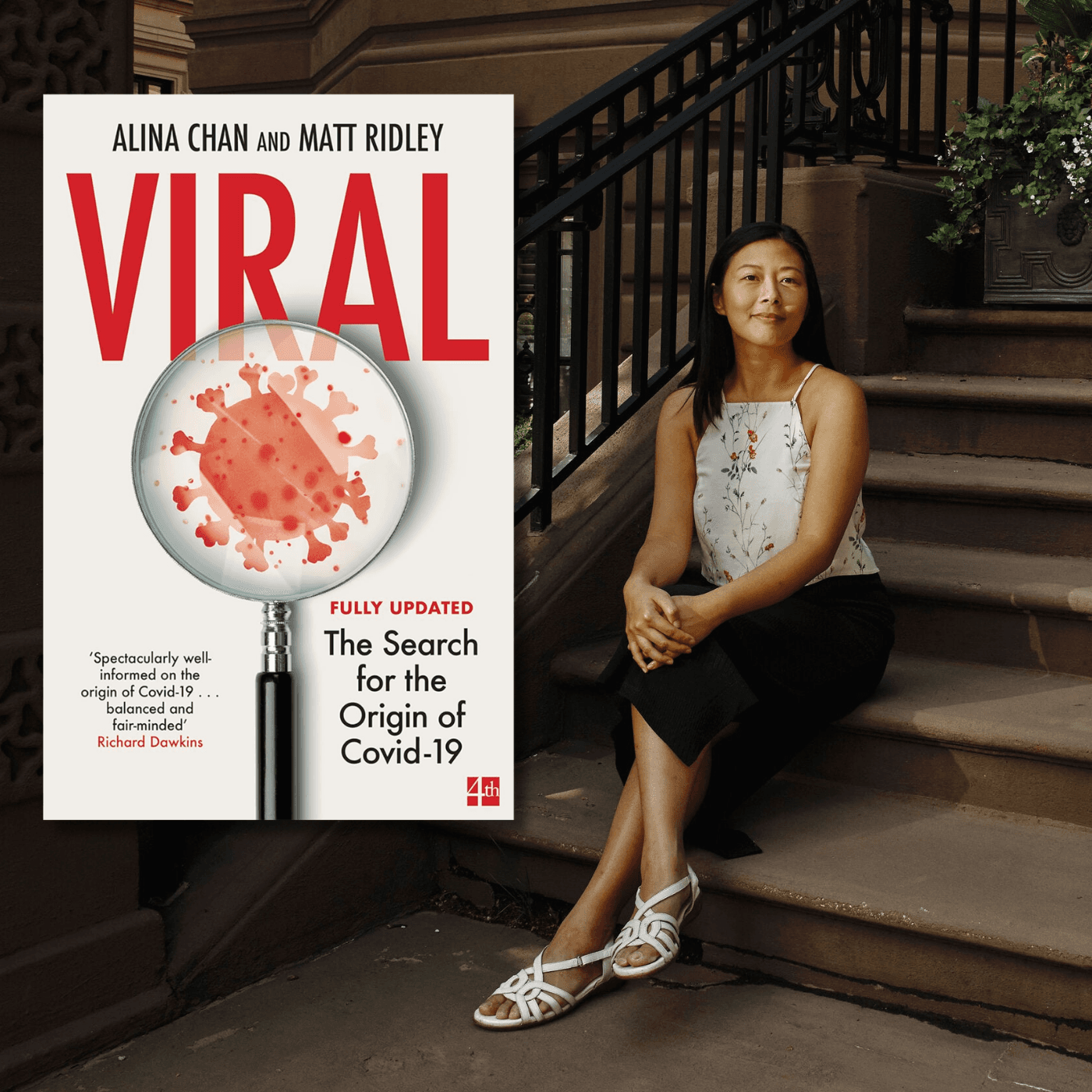
Thumbnail for "Is there a cure for medical racism?".
Uché Blackstock MD, founder of Advancing Health Equity, joins host Krys Boyd to discuss her family how she’s devoted her career to understanding and addressing health inequities of different races.
Thumbnail for "How the science of dying can help us live longer".
Venki Ramakrishnan, structural biologist and Nobel Prize winner, joins host Krys Boyd to discuss the quest to live forever, if that’s even ethical, and what it looks like to alter our physiology.
Thumbnail for "Why no third party candidate has won the White House".
Jeffrey Engle, Director of the Center for Presidential History at Southern Methodist University, joins host Krys Boyd to discuss the history of third-party candidates and how they’ve impacted – or not – presidential elections.
Thumbnail for "How probation and parole feed mass incarceration".
Vincent Schiraldi, founder of the Center on Juvenile and Criminal Justice and the Justice Policy Institute, joins host Krys Boyd to discuss parole and probation, which he calls a “recidivism trap,” and make the case that these practices should be abolished.
Thumbnail for "Kids aren’t weak unless we make them that way".
Author and journalist Abigail Shrier joins host Krys Boyd to discuss why, even as more adolescents are receiving mental health care than ever before, the numbers for those suffering continues to rise.
Thumbnail for "Medical science is still catching up on women’s health".
Dr. Elizabeth Comen, an oncologist specializing in breast cancer, joins host Krys Boyd to discuss the history of sexism in medicine and why lingering stereotypes still affect women’s medical care.
Thumbnail for " From foster care to fostering hope".
David Ambroz joins host Krys Boyd to discuss his life’s work of fighting for child welfare, the subject of his new memoir.
Thumbnail for "The bizarre history of Space Science".
Harry Cliff, a particle physicist based at the University of Cambridge, joins host Krys Boyd to discuss the reasons we only understand about five percent of what makes up the vast reaches of outer space.
Thumbnail for "Between the Earth and the Sun: A guide to the Eclipse".
In this special edition of Think, host Krys Boyd will prime listeners to have their best viewing experience and talk through the science of what’s actually happening 223,000 miles above our heads.
Thumbnail for "Are you really retired if you’re still working?".
Teresa Ghilarducci, professor at the New School, joins host Krys Boyd to discuss why our golden years only look rosy for the wealthiest among us, why social security can’t keep up, and why going back to work is the only option for so many.
Thumbnail for "Who has the right to choose their sex?".
Andrea Long Chu, book critic for New York magazine, joins host Krys Boyd to discuss why she believes it is an inalienable right to choose one’s sex and why children need to have agency in their own lives.
Thumbnail for "Why the best Presidents were the best Presidents".
Historian Talmage Boston joins host Krys Boyd to discuss his dive into the lives and leadership styles of eight presidents, from Washington to Reagan, and the ways they shaped American society.
Thumbnail for "Small-town America is doing just fine, thanks".
USC professor Elizabeth Currid-Halkett discusses the small towns across America that are thriving and, by many metrics, outperforming much larger urban centers.
Thumbnail for "Wild fun: How animals play".
University of Massachusetts, Amherst professor David Toomey joins host Krys Boyd to discuss why piglets flop, dogs slide and octopuses play, and what that tells us about animal cognition and biology.
Thumbnail for "Why Evan Gershkovich remains in Russian jail".
Wall Street Journal assistant editor Paul Beckett joins host Krys Boyd to discuss what is known about Gershkovich’s condition in prison, the efforts to free him, and what journalism looks like in Putin’s Russia now.
Thumbnail for "Could Ozempic some day treat addiction, too?".
Brian Resnick is science correspondent at Vox, joins host Krys Boyd to discuss why new GLP-1 drugs such as Ozempic and Wegovy seem to target appetite but actually work with brain chemistry.
Thumbnail for "How to have one-on-one meetings like a boss".
Steven Rogelberg, professor at UNC Charlotte, joins host Krys Boyd to discuss why one-on-one check-ins with employees are proven to increase job performance – and why we avoid them anyway.
Thumbnail for "The psychology of the American voter".
Michael Bruter, professor of political science at the London School of Economics, joins host Krys Boyd to discuss the psychology of voting, why it helps us feel connected to a larger purpose in life, and how voters make their choices.
Thumbnail for "Leaving the white evangelical church".
Sarah McCammon, national political correspondent for NPR, joins host Krys Boyd to discuss when politics get in the way of religious beliefs in evangelical churches, and how that’s driving some members away.
Thumbnail for "What drives young people to vote".
Sara Suzuki, senior researcher at CIRCLE, joins host Krys Boyd to discuss the issues that are most important to young voters and how candidates can best reach them.
Thumbnail for "How to speak up for yourself".
Elaine Lin Hering joins host Krys Boyd to discuss how to voice an opinion, even when it’s uncomfortable, and how you can advocate for yourself and others.
Thumbnail for "When your life partner is not your lover".
Rhaina Cohen, producer and editor at NPR, joins host Krys Boyd to discuss when friends become non-romantic partners, teaming up to weather finances and aging, and why we should work to protect these significant bonds.
Thumbnail for "Why America won’t tax the rich".
Michael J. Graetz, professor emeritus at Columbia Law School, joins host Krys Boyd to discuss the history of how we got to the enormous partisan divide we see today about taxation, and how race and class play into it.
Thumbnail for "Inside the siege of Mariupol".
Frontline producer and editor Michelle Mizner joins host Krys Boyd to discuss Mstyslav Chernov’s first-person account of life under siege, the horrors of a bombed maternity hospital and, ultimately, the power of the press.
Thumbnail for "What counts as sober today?".
Ernesto Londoño, a New York Times reporter, joins host Krys Boyd to discuss the changing views of sobriety, why some in the medical community feel like total abstinence is unrealistic, and how this is changing addiction treatment.
Thumbnail for " The economy is working despite what you think".
Rogé Karma, staff writer at The Atlantic, joins host Krys Boyd to discuss why food and fuel prices don’t factor into core inflation numbers but do influence how Americans feel about the economy.
Thumbnail for "The balancing act of a healthy brain".
Camilla Nord, who leads the Mental Health Neuroscience Lab at the University of Cambridge, joins host Krys Boyd to discuss the latest science of brain health – what works to return to equilibrium and why it sometimes doesn’t.
Thumbnail for "Femme Fatale: Why women kill".
Anna Motz, a forensic psychologist, joins host Krys Boyd to discuss the traumas that lead to unspeakable crimes committed by women, her work inside the prison system, and why denying female violence is denying female agency.
Thumbnail for "The best communicators don’t talk much".
Pulitzer Prize–winning investigative journalist Charles Duhigg joins host Krys Boyd to discuss what makes certain people so adept at facilitating the exchange of ideas, how we can make ourselves heard, and how we can better navigate tough conversations.
Thumbnail for "A.I. is coming for knowledge workers".
Dennis Yi Tenen, associate professor at Columbia University, joins host Krys Boyd to discuss why we shouldn’t be afraid that A.I. is coming for jobs.
Thumbnail for "How Ashli Babbitt became a martyr for the right".
Jeff Sharlet, professor at Dartmouth College, joins host Krys Boyd to discuss how American political leanings are taking the form of religious devotion – and how Ashli Babbitt, who was killed during the January 6 insurrection, has become a martyr for many on the far right.
Thumbnail for "Would Trump really go to prison?".
Ankush Khardori, senior writer for Politico Magazine, joins host Krys Boyd to discuss the Supreme Court’s decision to weigh in on Trump’s immunity claims and the upheaval the justice system would see if a Trump conviction actually resulted in jail time.
Thumbnail for "Copyrights are out of control".
David Bellos, professor of Comparative Literature at Princeton University, joins host Krys Boyd for a history lesson on how copyrights came to be, and what happens now that generative A.I. has entered the picture.
Thumbnail for "You can learn to be more confident".
Ian Robertson, professor at the Center for BrainHealth at UTD, joins host Krys Boyd to discuss the science of confidence, how it positively influences both the mind and body, and how it can make us both more innovative and happier.
Thumbnail for "Guaranteeing your right to vote".
Richard L. Hasen, professor at UCLA, joins host Krys Boyd to discuss why he feels we need a Constitutional amendment guaranteeing the right to vote, and why leaving it to the courts to decide who can vote is a bad idea.
Thumbnail for "You won’t believe how much plastic you eat".
Lauren F. Friedman, an editor at Consumer Reports, joins host Krys Boyd to discuss CR’s rigorous testing of fast foods and supermarket products to find the harmful chemicals that enter our bodies. READ MORE
Thumbnail for "Breaking up with romance".
Sabrina Strings, professor at the University of California, joins host Krys Boyd to discuss why she believes the relatively low numbers of Black women in relationships and marriages is a backlash to the Civil Rights movement.
Thumbnail for "Why gay people deserve an apology".
Jonathan Rauch, contributing writer to The Atlantic, joins host Krys Boyd to discuss the lasting harms had on not only career diplomats but the broader LGBTQ community across the country – and why he says it’s time for a reckoning.
Thumbnail for "Who gets to make art and who gets to own it".
Bianca Bosker, a contributing writer at The Atlantic, joins host Krys Boyd to discuss how the art world operates and the role of gatekeeping in who gets shown and who can buy art.
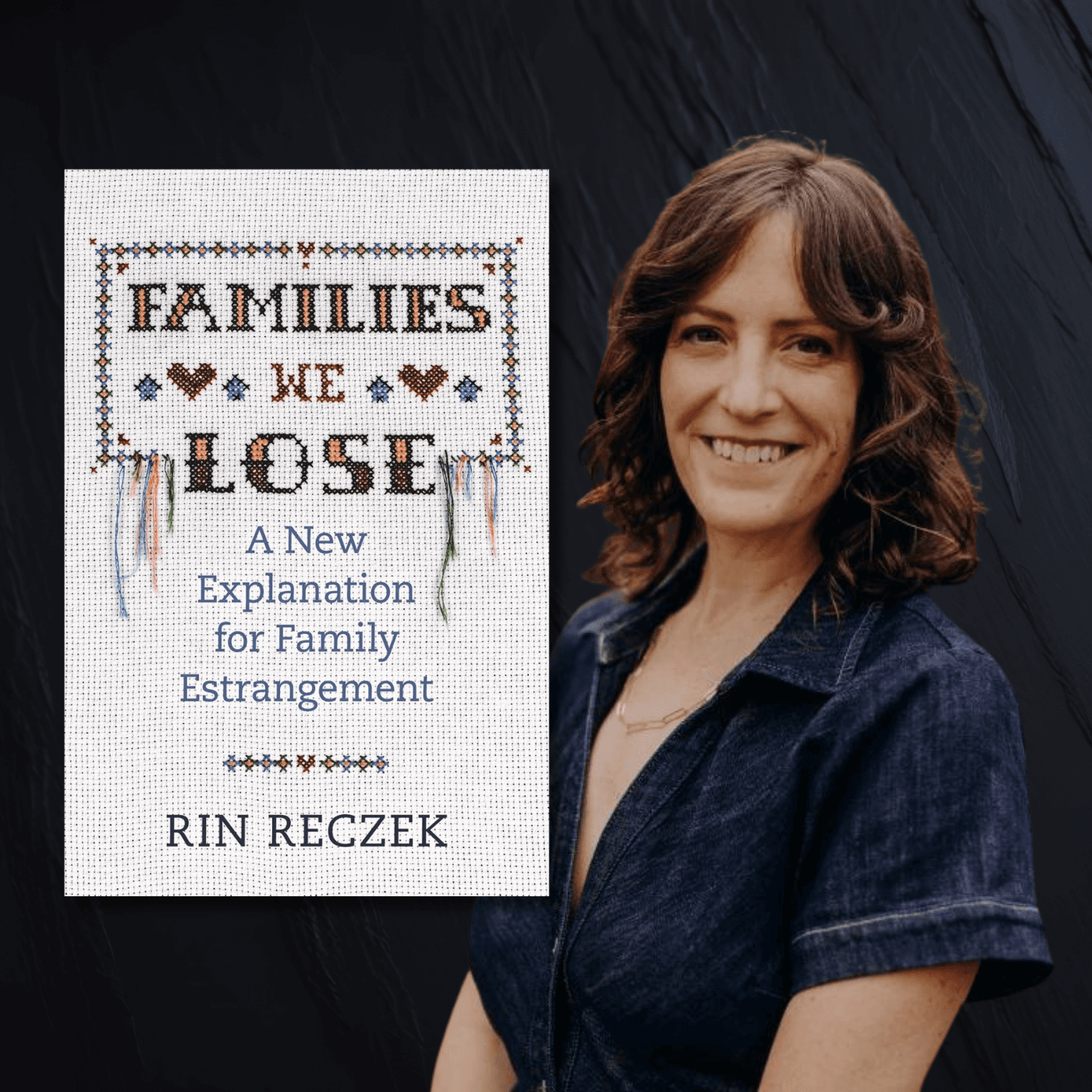
Thumbnail for "The mysteries of the moon".

Science journalist Rebecca Boyle joins host Krys Boyd to discuss why the partnership between the Earth and the Moon is so critical for life on our planet.
Thumbnail for "A just world starts with imagination".
Ruha Benjamin, a professor at Princeton University, joins host Krys Boyd to discuss why we are failing at imagining a better world and how thinking big is the path to unlocking good.
Thumbnail for "If you think driving is getting worse, you’re right".
Matthew Shaer, contributing writer for The New York Times Magazine, joins host Krys Boyd to discuss how distracted and angry drivers are causing more crashes and automobile fatalities.
Thumbnail for "Xi Jinping is in trouble".
Simone Gao is a journalist and she joins host Krys Boyd to discuss how China’s economic woes affect the larger global economy, and why the Chinese populace might be losing patience with its leader.
Thumbnail for "The extraordinary influence of HBCUs".
Ayesha Rascoe is the host of NPR’s Weekend Edition Sunday, and she joins host Krys Boyd to discuss the many reasons why Black students turned to these institutions – a decision the Howard University graduate once made herself.
Thumbnail for " How big a deal is the Vatican’s decision to bless same-sex couples?".
Host Krys Boyd talks with Francis X. Rocca and Eder Díaz Santillan about how the new ruling is being put into practice worldwide and about how gay Catholics are receiving the news.
Thumbnail for "Fighting unjust policing from the inside".
Edwin Raymond, a veteran of the New York Police Department, joins host Krys Boyd to discuss practices inside police departments that contribute to unequal patterns of enforcement, and his ideas on how these can change.
Thumbnail for "Why are we so polarized? Science has the answer".
Joel Achenbach, reporter for The Washington Post, joins host Krys Boyd to discuss why our emotions are getting the better of us when it comes to discussing politics
Thumbnail for "The history of Gospel music".
Shayla Harris, director and producer of a new PBS documentary series called “Gospel,” joins host Krys Boyd to discuss the legacy of this American art form, from its birth in churches to its rise to the mainstream.
Thumbnail for "The decision to have kids feels more complicated than ever".
Host Krys Boyd talks with guests Andrew Van Dam, Bryan Walsh, and William MacAskill on population projections and what factors people consider when deciding to have children or not.
Thumbnail for "The anxiety of going off Ozempic".
Brad Olson, news editor for The Wall Street Journal, joins host Krys Boyd to discuss the ways a semaglutide drug transformed his life and – now that he’s facing a future without it – his anxiety over gaining the weight back.
Thumbnail for "Look out tastemakers—algorithms are coming for you".
New Yorker staff writer Kyle Chayka joins host Krys Boyd to discuss how algorithms are homogenizing our design choices, how our desires are being anticipated by computers, and what this says for creativity and innovation.
Thumbnail for "Everything everywhere all at once: The threats to global democracy".
NPR’s Global Democracy correspondent, Frank Langfitt, joins host Krys Boyd to talk about how these seismic shifts upend the lives of everyday people – and about how they challenge American power around the world.
Thumbnail for "How public schools got so political".
Education journalist Laura Pappano joins host Krys Boyd to discuss this evolution – which dates back to at least the 1990s – and how school boards are now ground zero for much of the culture wars.
Thumbnail for "Calling out the colonizers ".
In our modern world, the term “colonizer” is as pejorative as it’s ever been.
Thumbnail for "The story of Volodymyr Zelensky".
Time correspondent Simon Shuster joins host Krys Boyd to discuss his new biography of the comedian-turned-Ukrainian president.
Thumbnail for " Why you need fear in your life".
Dr. Arash Javanbakht, psychiatrist and neuroscientist, joins host Krys Boyd to discuss how fear works in the brain, its relationship to PTSD and trauma, and how we can tame it.
Thumbnail for "The battle over free speech on college campuses".
Len Gutkin, senior editor at The Chronicle Review, joins host Krys Boyd to talk about how universities are struggling to maintain the tradition of being places that welcome the free exchange of ideas.
Thumbnail for "Opposing parties’ governors vow to disagree better".
Utah Gov. Spencer Cox (Republican) and Kansas Gov. Laura Kelly (Democrat) join host Krys Boyd to talk about how we can have more productive political conversations.
Thumbnail for "In the multiverse, anything is possible".
Paul Halpern, professor of physics at St. Joseph’s University, joins host Krys Boyd to discuss the search for parallel universes and how scientists account for unmeasurable figures in their theories.
Thumbnail for "Why indigenous Americans are undercounted in the census".
Mark Trahant, editor-at-large for ICT, and Dee Alexander, Intergovernmental Tribal Affairs Specialist with the U.S. Census Bureau, join host Krys Boyd to discuss the ways the government counts tribal affiliation vs. the ways tribes count their roles.
Thumbnail for " Calming your brain in a busy world".
Dr. Romie Mushtaq, physician and chief wellness officer for Evolution Hospitality, joins host Krys Boyd to discuss what she calls the “busy brain” – linked to insomnia, ADD and anxiety – and offers strategies to tame overactive minds.
Thumbnail for "Who controls your destiny? (It’s not you)".
Brian Klaas, professor at University College London, joins host Krys Boyd to discuss the ways our actions and even inactions affect not just our lives, but history, and how we find ways to knit all this chaos into neat versions of reality.
Thumbnail for "When defying the frontrunner feels dangerous".
Zack Beauchamp is a senior correspondent at Vox, and he joins host Krys Boyd to discuss how threats impact voting and how elections are conducted.
Thumbnail for "The right way to fail".
Amy Edmondson, professor at the Harvard Business School, joins host Krys Boyd to discuss why corporate American approaches to failure are all wrong, and how to incorporate healthy lessons from flubs in the workplace.
Thumbnail for "Why the Democrats are losing working class voters".
George Packer, staff writer at The Atlantic, joins host Krys Boyd to discuss why it will be hard for Democrats to win back a class of workers that might just determine the outcome of this year’s elections.
Thumbnail for "What Africa’s coups mean for democracy".
Murithi Mutiga, director of the Africa Program at the International Crisis Group, joins host Krys Boyd to discuss the challenges democracy faces in the grip of political violence.
Thumbnail for "The benefits of working for the man".
Benjamin C. Waterhouse, associate professor of history at UNC Chapel Hill, joins host Krys Boyd to discuss myths about being your own boss and why you might actually be happier working a regular 9-5 job.
Thumbnail for "What could you get done with more energy?".
Jancee Dunn is the Well columnist for The New York Times, and she joins host Krys Boyd to discuss a simple, step-by-step way to find energy in the New Year, from tips from psychologists to what to eat and how to exercise.
Thumbnail for "Even wanted pregnancies after Dobbs are fraught".
The 19th News health reporter Shefali Luthra joins host Krys Boyd to discuss why life-saving treatments for miscarriage are now harder to get – and the people with high-risk pregnancies who are now in harm’s way.
Thumbnail for "Inside the Duterte Regime’s murderous war on drugs".
Patricia Evangelista, former investigative reporter for the Philippine news company Rappler, joins host Krys Boyd to discuss the killings, carried out by police and vigilantes, and the people whose lives were shaped by fear in a lawless time.
Thumbnail for "How to give a speech without a script".
Matt Abrahams, lecturer at Stanford University’s Graduate School of Business, joins host Krys Boyd to discuss tips and tricks for capturing an audience, embracing improv to think on your feet and how to tame stage fright.
Thumbnail for "Why signing that online petition isn’t enough".
Sam Daley-Harris joins host Krys Boyd to discuss effective strategies for advocating for change that won’t leave you frustrated by the process.
Thumbnail for "A look at eyeliner".
Journalist Zahra Hankir joins host Krys Boyd to discuss the religiosity, spirituality and cultural significance of eyeliner and its use throughout the ages and around the world.
Thumbnail for "The gift of buying less".
Chip Colwell, lecturer at the University of Colorado, Denver, joins host Krys Boyd to discuss the pact he made with his family that they buy no more than five items in a year and what it taught him about consumption.
Thumbnail for "What your child really needs from you".
Jeffrey Bernstein, a parent coach and psychologist, joins host Krys Boyd to discuss methods of dealing with a defiant child, offering advice on allowing kids to develop healthy coping skills and for parents to find peace in the house again.
Thumbnail for "Best of 2023: Why we should put women in charge of climate change".
Zainab Salbi, co-founder of the nonprofit Daughters for Earth, joins host Krys Boyd to discuss her efforts to empower women to counter climate change with activism.
Thumbnail for "Best of 2023: Chatbots say wild things, and they learn it from us".
Washington Post reporter Gerrit De Vynck joins us to break down issues with this new tech tool.
Thumbnail for "Best of 2023: How to keep going when it feels like you’re getting nowhere".
How to keep going when it feels like you’re getting nowhere
Thumbnail for "Best of 2023: Do animals have inner lives?".
Science journalist Sonia Shah joins host Krys Boyd to discuss what it means now that researchers are discovering that animals communicate in languages, too, and the moral dilemmas that is bringing up for biologists.
Thumbnail for "Best of 2023: The many different lives of Latinos".
Pulitzer Prize–winning journalist Héctor Tobar discusses his conversations with a multitude of voices identifying as Latino in the U.S. and the many ways they contribute history and culture to the American landscape.
Thumbnail for "Best of 2023: The story of a recovering foodie".
Stand-up comic and restaurateur Dan Ahdoot talks about how his foodie obsessions took a toll on his happiness and relationships and how he finally learned to let go of the pursuit of perfection.
Thumbnail for "The gender politics of pockets".
Hannah Carlson, a lecturer at the Rhode Island School of Design, joins host Krys Boyd to discuss the gender politics of why men get pockets when women don’t.
Thumbnail for "Unpacking passport privilege".
Shahnaz Habib, who consults for the United Nations, joins host Krys Boyd to talk about the privilege of who gets to travel and who doesn’t.
Thumbnail for "Journalists of color carry extra burden".
James E. Causey, Ideas Lab reporter, joins host Krys Boyd to discuss the hate mail he’s gotten through the years, why he initially hid his pain from his readers and colleagues, and why he feels it’s time to confront hate head on.
Thumbnail for "Why do our bodies age?".
Coleen T. Murphy, professor of genomics and molecular biology at Princeton, joins host Krys Boyd to discuss how worms and other simple organisms offer insights into the aging process and how we might slow it down.
Thumbnail for "An astronaut’s guide to life".
Astronaut Mike Massimino joins host Krys Boyd to discuss how to build effective teams and pursue your biggest dreams.
Thumbnail for " Our constitutional right to lie".
Jeff Kosseff, associate professor of cybersecurity law at the United States Naval Academy, joins host Krys Boyd to discuss what is constitutionally accepted free speech, and why he believes we need a marketplace of ideas so people can make up their own minds.
Thumbnail for "An astronaut’s guide to life".
Astronaut Mike Massimino joins host Krys Boyd to discuss how to build effective teams and pursue your biggest dreams.
Thumbnail for " Getting around your community is a right not a privilege".
Veronica O. Davis, a civil engineer and community activist, joins host Krys Boyd to discuss how we might take a more human-centric approach to urban planning.
Thumbnail for "On comedy and cancel culture".
Historian Kliph Nesteroff joins host Krys Boyd to discuss how comedians have always pushed societal boundaries – and about how audience reactions range from complicity to virtue signaling.
Thumbnail for "The geography of American Poverty".
Kathryn J. Edin, William Church Osborne Professor of Sociology and Public Affairs at Princeton University, joins host Krys Boyd to discuss the intersection of poverty and geography.
Thumbnail for "Could deep brain stimulation cure depression?".
Laura Sanders, who writes about neuroscience for ScienceNews, joins host Krys Boyd to talk about the pros and cons of deep brain stimulation, where electrical pulses are delivered straight into the brain during surgery.
Thumbnail for "Could facial recognition software send you to jail?".
Eyal Press, a contributing writer for The New Yorker, joins host Krys Boyd to discuss cases of mistaken identity that sent innocent people to prison, all on the authority of tech that is still new and has unintended bias built in.
Thumbnail for "What the Hamas-Israel war means for Iran, Saudi Arabia and us".
Maria Fantappie, head of the Mediterranean, Middle East, and Africa Program at Istituto Affari Internazionali in Rome, joins host Krys Boyd to discuss shifting political realities in a region with uneasy alliances.
Thumbnail for "Why we like politicians who talk tough".
Jeffrey A. Friedman, associate professor of government at Dartmouth College, joins host Krys Boyd to discuss the rhetoric of presidential candidates and how voters are swayed by powerful stances.
Thumbnail for "Musician and comedian Reggie Watts on the joy of being weird".
Comedian and musician Reggie Watts joins host Krys Boyd to discuss his memoir about growing up mixed race in a small town, and how he embraced his differences to find what’s cool.
Thumbnail for "David Brooks wants us to reconnect".
The New York Times columnist joins host Krys Boyd to discuss the skills we can learn to improve engagement and connection and develop character.
Thumbnail for "War through the eyes of a child".
Zarlasht Halaimzai joins host Krys Boyd to discuss her life growing up amid the bombs and guns of the war in Afghanistan, and her work to help heal the trauma of children living through conflict worldwide.
Thumbnail for "The brave college kids who saved the Negro spiritual".
Vann Newkirk, senior editor at The Atlantic, joins host Krys Boyd to discuss the Fisk Jubilee Singers, who sang songs that evoked passion and heartbreak, and in doing so, saved an American art form.
Thumbnail for "When will Millennials start having kids?".
Andrew Van Dam, a date columnist for The Washington Post, joins host Krys Boyd to talk about why Millennials are not having children even though they still want them.
Thumbnail for " You don’t want to live on Mars".
Kelly Weinersmith, adjunct faculty member in the BioSciences department at Rice University, joins host Krys Boyd to discuss the impracticalities of space colonization and the conflicts it could create back on Earth.
Thumbnail for "What personalized medicine promised and what it delivered".
James Tabery, a professor at the University of Utah, joins host Krys Boyd to discuss why precision medicines focused on gene technology benefit only the rich, while average citizens are left behind in this new model of curing disease.
Thumbnail for "Hate flying? Blame deregulation".
Government regulation expert Ganesh Sitaraman, a law professor, joins host Krys Boyd to discuss why he feels unregulated capitalism created a handful of airline competitors and why he feels improvements are possible.
Thumbnail for "Why your commute just keeps getting longer".
David Leonhardt of The New York Times joins host Krys Boyd to discuss how a lack of investment in infrastructure has put the U.S. behind in nearly every category from education to even life expectancy.
Thumbnail for "Remember Carpal Tunnel Syndrome?".
Health and science reporter Benjamin Ryan joins host Krys Boyd to discuss how carpal tunnel became an epidemic and what its disappearance says about how seriously we take workplace injuries today.
Thumbnail for "Why twins really are special".
Helena de Bres, a philosophy professor at Wellesley College and a twin herself, joins host Krys Boyd to discuss the endless questions she’s asked about her and her sister – and to reflect upon what being a multiple is really like.
Thumbnail for "Wanting a gun isn’t about fear".
Alexandra Filindra, associate professor of political science at the University of Illinois, Chicago, joins host Krys Boyd to discuss how 21st Century gun culture is a product of the 18th Century.
Thumbnail for "Did you know that curiosity is your superpower?".
Scott Shigeoka, who has taught at UC Berkeley’s Greater Good Science Center, joins host Krys Boyd to discuss what he calls deep curiosity, which pushes people to move beyond biases to see the value in another person’s worldview.
Thumbnail for "Beyoncé, Björk and Donald Trump: What makes divas tick".
Spencer Kornhaber, staff writer at The Atlantic, joins host Krys Boyd to discuss the magnetism, narcissism and perfectionism of the people we call divas … and why they matter so much to the rest of us mere mortals.
Thumbnail for "How to get better at self-improvement".
Adam Grant, an organizational psychologist at the Wharton School, joins host Krys Boyd to discuss strategies for Average Joe’s to excel.
Thumbnail for "Can a democracy survive minority rule?".
Harvard government professor Steven Levitsky joins guest host John McCaa to discuss how minority rule undermines democracy and why the U.S. is vulnerable to partisan takeovers from both the left and the right.
Thumbnail for "Think America’s too divided? Blame the Founding Fathers".
H.W. Brands, professor at the University of Texas at Austin, joins guest host John McCaa to discuss the early days of the Republic, when Federalists and Anti-Federalists battled it out and planted the seeds of our current state of division.
Thumbnail for "What it’s like to survive cardiac arrest".
New York University School of Medicine pulmonologist Sam Parnia joins guest host Courtney Collins to discuss his research into cognitive awareness during resuscitation.
Thumbnail for "In small town Texas, cops ask a psychic for help".
Writer Julia Heaberlin joins guest host Courtney Collins to discuss her new novel, featuring a cast of characters trying to solve the disappearance of a missing child, and the prominent role Texas plays in her writing.
Thumbnail for "Could we some day create new living things in a lab?".
Science writer Philip Ball talks about efforts to create organic matter designed to help faulty organs while living in the body.
Thumbnail for "The evolution of marriage".
Devorah Baum, an associate professor at the University of Southampton, joins host Krys Boyd to discuss why marriage is left out of philosophical discussion.
Thumbnail for "When social movements march into your relationship".
Clinical psychologist Orna Guralnik talks about what she’s seen in her practice, where couples are bringing to the table issues of race and privilege and trauma like she hasn’t seen before.
Thumbnail for "MDMA’s journey from dancefloor to doctor’s office".
Science journalist Rachel Nuwer discusses how MDMA – once a Schedule 1 drug – is now being heralded as a treatment for PTSD and other afflictions.
Thumbnail for "The devilish decade: A look back at the 2000s".
Critic Kristian Vistrup Madsen makes the case that the aughts were marked by sexualization, obscenity and war – and why we ate it up.
Thumbnail for "The beauty of the bilingual brain".
Washington Post columnist Theresa Vargas and Sarah Phillips, a postdoctoral neurology scholar at Georgetown, join host Krys Boyd to discuss bilingualism in our culture and the neurological pathways that allow language switching to flow so freely.
Thumbnail for "Who would benefit from breaking up Big Tech?".
Elizabeth Nolan Brown, a senior editor at Reason, joins host Krys Boyd to discuss why this focus on anti-trust lawsuits isn’t popular with the general population and may be blowing the problems created by big tech well out of proportion.
Thumbnail for "Could Kamala Harris be president?".
Elaina Plott Calabro, staff writer at The Atlantic, joins host Krys Boyd to discuss the work the vice president has been doing the last three years.
Thumbnail for "Feeling lonely? It’s time to get creative".
Dr. Jeremy Nobel, a primary-care physician with faculty appointments at the Harvard Medical School, joins host Krys Boyd to discuss how we can use creative expression to connect with others.
Thumbnail for "Your brain is better on music".
Larry Sherman is professor of neuroscience at the Oregon Health and Science University, and he joins us to talk about how music works in the brain and how it affects our emotions.
Thumbnail for "What do animals need from us?".
Kendra Coulter, a fellow at the Oxford Centre for Animal Ethics, joins host Krys Boyd to discuss the animal advocates battling abuse and pushing for pro-animal policies in legislatures – and how their work benefits humans, too.
Thumbnail for "Why LBJ and MLK needed each other".
Peniel Joseph, professor of history at the University of Texas at Austin, joins host Krys Boyd to discuss the contentious but essential relationship between the president and Civil Rights leader.
Thumbnail for "Who benefits from our broken immigration system?".
Marcela Valdes, a staff writer for The New York Times Magazine, joins host Krys Boyd to discuss the continued inflow of international migrants to the U.S. and how employers here benefit from their arrival.
Thumbnail for "Conservation is about people, too".
Adam Hart, professor of science communication at the University of Gloucestershire, joins host Krys Boyd to discuss the realities of people who live among predators.
Thumbnail for "Do animals have inner lives?".
Science journalist Sonia Shah joins host Krys Boyd to discuss what it means now that researchers are discovering that animals communicate in languages, too, and the moral dilemmas that is bringing up for biologists.
Thumbnail for "Is online privacy even possible?".
Atlantic staff writer Charlie Warzel joins host Krys Boyd to discuss the vast and unregulated systems set up to capture our data, and why even stricter data capture policies in the E.U. won’t help repair breaches of our privacy.
Thumbnail for "For a comedian, imposter syndrome is no laughing matter".
Aparna Nancherla, an L.A.-based comedian whose work has been seen on HBO, Netflix and Comedy Central, joins host Krys Boyd to discuss how depression, anxiety and imposter syndrome make it into her work – and the ways her art reflects her mental state.
Thumbnail for "A standing desk is not enough".
Manoush Zomorodi, host of NPR’s TED Radio Hour, joins host Krys Boyd to discuss the tools we can use to offset the harms screens and sitting are doing to our health.
Thumbnail for "When eulogies are complicated".
Rev. Esau McCaulley, associate professor of New Testament at Wheaton College, joins host Krys Boyd to discuss the deep work that led him to seeing his father in a new light and how his father’s struggles are echoed in the experiences of many Black Americans.
Thumbnail for "We don’t talk enough about phosphorous".
Brown University professor Stephen Porder joins host Krys Boyd to discuss hydrogen, oxygen, carbon, nitrogen and phosphorus and how these building blocks of life affect the climate.
Thumbnail for "Lessons from Lincoln on effective politics".
Steve Inskeep, cohost of NPR’s Morning Edition, joins host Krys Boyd to discuss how Lincoln sought to build a social revolution and hold the nation together.
Thumbnail for "Earth has warmed and cooled before. So what’s different now?".
University of Pennsylvania professor Michael Mann joins host Krys Boyd to discuss the precarity of human evolution and how previous changes in temperatures have affected life on the planet.
Thumbnail for "Abortion may soon be legal in some unexpected states".
Emily Bazelon, staff writer at The New York Times Magazine, joins host Krys Boyd to discuss efforts to get abortion rights on the ballot in several states, and how those pushes are resulting in popular wins.
Thumbnail for " Why some people can’t stop lying ".
Christian L. Hart, a professor of psychology at Texas Woman’s University, joins host Krys Boyd to discuss the psychology of people who lie all the time.
Thumbnail for "How to sharpen your five senses".
Author Maureen Seaberg joins host Krys Boyd to discuss the science of the senses.
Thumbnail for "When college is a waste of money".
Paul Tough, a contributing writer for The New York Times Magazine, joins host Krys Boyd to discuss why the U.S. is an outlier globally when it comes to college popularity.
Thumbnail for "We don’t make it easy to get sober".
Wilson M. Sims joins host Krys Boyd to discuss his own journey from addict to working for a behavioral health company helping fellow addicts navigate the many roadblocks that make it hard to get clean.
Thumbnail for "The many ways we monitor undocumented immigrants".
Stanford professor Asad L. Asad discusses his research into the ways immigrants take part in U.S. systems – like registering with the IRS – while also fearing they will be deported for taking part.
Thumbnail for "The patience of turtles".
Sy Montgomery joins host Krys Boyd to discuss her visit to the Turtle Rescue League, where injured turtles are given a second chance at life.
Thumbnail for " If aliens visited, would we even know?".
Harvard astrophysicist Avi Loeb joins host Krys Boyd to discuss identifying and having contact with an extraterrestrial and the implications it would have for humankind.
Thumbnail for "When you forgive, you don’t have to forget".
Myisha Cherry, an associate professor of philosophy at the University of California, Riverside, joins host Krys Boyd to discuss why models of traditional forgiveness are lacking.
Thumbnail for "There’s more to American history than what white people did".
Michael Harriot, a columnist at theGrio.com, joins host Krys Boyd to discuss a new way to look at historical narratives – one that reworks the American story to include the voices most often overlooked.
Thumbnail for "Is the Navy stuck in the past?".
Eric Lipton, an investigative reporter for The New York Times, joins host Krys Boyd to discuss new global threats that require change by the U.S. Navy and the resistance by top brass to bend to the future.
Thumbnail for "What’s a fishwife, anyway? A history of words about women".
Jenni Nuttall teaches medieval literature at the University of Oxford, and she joins host Krys Boyd to discuss how words have influenced how we view female roles in society.
Thumbnail for " Treating anxiety has become a cottage industry".
Julie Wernau of The Wall Street Journal joins host Krys Boyd to discuss why strategies to combat stressors are popular—but sometimes clinically untested.
Thumbnail for "Racial justice starts in your community".
Princeton African American Studies professor Ruha Benjamin talks about emerging racial justice programs and policies making a difference and the inspiration we can take from that work to do better in our own lives.
Thumbnail for "They’re not stereotypes about Black people — they’re lies".
Omékongo Dibinga joins host Krys Boyd to discuss the road to anti-racism by taking on the lies that persist today that undermine Black lives, and to offer ways to reset our thinking toward a future of equality.
Thumbnail for " Meet the women who helped win WWII".
Lena S. Andrews, a military analyst for the CIA, joins host Krys Boyd to discuss the women who fought and died for this country in World War II.
Thumbnail for "How climate change affects the human body".
Author Jeff Goodell joins host Krys Boyd to discuss why increasing heatwaves kill the most vulnerable and how they will affect food supplies and water resources – even disease outbreaks.
Thumbnail for "Why we love celebrities more than heroes".
Landon Y. Jones joins host Krys Boyd to discuss the underbelly of fame — including its corrosive effects on culture. And we’ll also hear about stars using their platforms for good.
Thumbnail for "You know someone who has had an abortion".
Hannah Matthews, an abortion doula, activist, clinic worker and journalist, discusses what she feels is left out of the typical abortion narratives and her experience working with patients during the procedure.
Thumbnail for "Why we need forests that have never been touched by humans".
Joan Maloof is the founder and director of the Old-Growth Forest Network and she joins us to discuss the role old-growth forests play in the ecosystem and the different approaches that are being taken to saving them.
Thumbnail for "How well do you know your dogs and cats?".
Krys Boyd and Courtney Collins talk with experts on dogs and cats – plus we’ll hear from a veterinarian about how her job requires her to care for the well-being of people, too.
Thumbnail for "In Oregon, an experiment in drug laws".
Journalist Jack Holmes joins guest host Courtney Collins to discuss why heroin and fentanyl are now easily-accessible street drugs, and if this radical way of confronting addiction as a behavioral-health issue is doing more harm than good.
Thumbnail for "In math, there are no dumb questions".
Eugenia Cheng joins guest host Courtney Collins to discuss why we should approach math education as a journey of imagination, and why there are no dumb questions in the search for answers.
Thumbnail for "In a YA novel, a Black girl navigates Jim Crow".
Lesa Cline-Ransome, author of the YA novel “For Lamb,” joins guest host Courtney Collins to talk about the story, which follows a girl named Lamb navigating the friendships and dangers of the Jim Crow South for a young Black girl.
Thumbnail for "When science silences debate".
Political scientist Jason Blakely joins host Krys Boyd to discuss what he calls “scientism,” when scientific authority silences political debate, and why relying on data might not always be the best approach to problem solving in a crisis.
Thumbnail for " How big state schools spend all of that tuition".
Wall Street Journal higher education reporter Melissa Korn joins host Krys Boyd to discuss a look into 50 flagship state universities and how inflows of cash are not necessarily benefiting students – and how those schools justify their decisions.
Thumbnail for "Why you love your favorite song".
Cognitive neuroscientist Susan Rogers joins host Krys Boyd to discuss why our brains respond to certain music, our music personality types, and how music can shape identity.
Thumbnail for "It’s hard to trust others, but you should try anyway".
Management professor Peter Kim joins host Krys Boyd to discuss how trust is created and, maybe more importantly, how it can be restored.
Thumbnail for "The Hidden Harms of CPR".
Dr. Sunita Puri joins host Krys Boyd to discuss why the aftermath of CPR is rarely talked about – usually because it involves a life that has been saved but not fully restored.
Thumbnail for "Listen up! Good hearing could fight off dementia".
Frank R. Lin, director of the Cochlear Center for Hearing and Public Health, Johns Hopkins Bloomberg School of Public Health joins Krys Boyd to discuss why we shouldn’t brush off hearing loss as a symptom of old age.
Thumbnail for "For old-school conspiracy theorists, QAnon crossed a line".
Conspiracy theory researcher Annie Kelly discusses how old-school skeptics raised on late-night call-in radio fear modern day conspiracy theorists are giving their passion a bad name.
Thumbnail for "Do animals talk to each other?".
Professor and bioacoustics expert Nicholas Mathevon discusses how animals use sound to intimidate, mate, emote and more.
Thumbnail for "Marijuana and psychedelics: New thinking about old substances".
As drug laws loosen up nationwide, users and those who care for them are evolving the way they think about some illicit substances. This hour, we’ll talk specifically about two categories with growing user bases: cannabis and psychedelics.
Thumbnail for "Bogus medical research is everywhere".
Nature features editor Richard Van Noorden talks about how bias, error and, yes, even fraud, infect clinical trials – and what can be done to clean them up.
Thumbnail for "Attention is a skill you need to practice".
Christian Madsbjerg talks about how we can recapture our ability to focus on things that matter and reestablish our connection to the people around us.
Thumbnail for "Elon Musk basically owns space".
New York Times reporter Cade Metz discusses Starlink, the satellite internet company Musk runs that accounts for more than 50 percent of all active satellites, and the issues it’s raising for global security.
Thumbnail for "A lesson on trans-friendly schools".
Gender inclusion activist Aidan Key discusses practical tips for parents and school staff to approach trans students with a sense of welcoming, creating a safe space for them to learn.
Thumbnail for "The world’s full of scams – here’s how they get you".
Psychology professor Daniel Simons discusses the many ways we get taken for a ride and the faulty thinking that got us there so we can be aware next time.
Thumbnail for "Stop trying to be perfect".
Psychology professor Thomas Curran discusses how freeing ourselves of the drive to be perfect can actually make us better at our jobs and in life.
Thumbnail for "How the Supreme Court grabbed power from the president".
Vox reporter Ian Millhiser discusses the “major questions doctrine,” which allows the court to veto actions by a federal agency for economic or political reasons, and why its use picked up when President Biden took office.
Thumbnail for "The maestro of mystery".
Best-selling author Brenden Slocum discuss themes of authorship, authenticity and art from his novel about uncovering the truth about a composer’s legacy.
Thumbnail for "Global sperm counts are down. Is it time to worry?".
New York magazine writer Simon van Zuylen-Wood discusses a burgeoning industry of at-home sperm testing and whether or not amping up reproduction should be a priority for our warming, resource-strapped planet.
Thumbnail for "When unloading a house, it’s seller beware".
ProPublica reporter Anjeanette Damon discusses their long look into how HomeVestors of America acquires homes, and the way the business model is set up to reward franchisees.
Thumbnail for "At anti-porn camps, echoes of conversion therapy".
Historian and journalist Hallie Lieberman discusses wilderness programs that purport to treat porn addiction with questionable methods and, critics say, promote abuse.
Thumbnail for " In Nigeria, DNA testing is a part of courtship".
Harper’s contributor Krithika Varagur discusses Nigeria’s approach to “genetic responsibility,” and what couples are up against when they meet a mate whose genes when combined with their own could produce a child with the painful disease.
Thumbnail for "How TV learned to take teenagers seriously".
Entertainment journalist Thea Glassman makes the case that teen shows of yesterday paved the way for today’s diverse, complex and compelling teen storylines.
Thumbnail for "Beyond Beyond Burgers: The future of ‘meat’".
Annie Lowrey of The Atlantic discusses the new world of “cultivated meat” – animal proteins combined with other chemicals to produce the texture and flavor of meats.
Thumbnail for "You should really spend more time with people".
Writer Andy Field discusses the magic of life in cities surrounded by strangers, and the ways we can interact with people to spark creativity.
Thumbnail for "In movies and TV, Asian American stories are claiming the spotlight".
New York Times reporter Matt Stevens discusses the new wave of angry, messy and action-oriented roles for Asian-American actors and how this evolution has chipped away at harmful stereotypes.
Thumbnail for "Your favorite movies would not be the same without John Williams".
Music professor Frank Lehman discusses the composer’s brilliance and how his oeuvre augments the action and adventure of the modern classics we love.
Thumbnail for "Hollywood’s big bet on Barbie".
Journalist Kelly Gilblom talks about the gamble Warner Bros. is taking on Barbie – and the attempted modernization of Mattel behind the scenes.
Thumbnail for "Hollywood’s shut down. Now what?".
Dominic Patten, senior editor for Deadline, discusses the writer and actor strike, which has effectively shut down the industry and what that means for our TV and movie screens.
Thumbnail for "Meet the humans who power A.I.".
Journalist Josh Dzieza discusses the tedious work it takes to create the artificial intelligence that seems so quick and breezy – and his own crack at the job that confounded him.
Thumbnail for "The eternal allure of old books".
Antiquarian bookseller Oliver Darkshire discusses one of the world’s oldest bookshops and a profession that makes more memories than it does money.
Thumbnail for "Why does a potato chip have 20 ingredients?".
Dr. Chris van Tulleken discusses ultra-processed foods and how their manufacturers create products designed for profit over people.
Thumbnail for "The many different lives of Latinos".
Pulitzer Prize–winning journalist Héctor Tobar discusses his conversations with a multitude of voices identifying as Latino in the U.S. and the many ways they contribute history and culture to the American landscape.
Thumbnail for "The right questions for better health".
Dr. Anupam B. Jena discusses questions you can consider in advance of a health event to be better prepared to make solid decisions when the time comes to see a doctor.
Thumbnail for "What we could learn from Vienna’s public housing".
Writer Francesca Mari discusses the way housing is set up in Vienna and why it’s become a model for building wealth and security for even low-income renters.
Thumbnail for "What our quest for alien life says about humanity".
Writer Jaime Green discusses the science, even science fiction, that inspires astronomers to look for life in the cosmos and what it means for those of us living back on Earth.
Thumbnail for "Are we deluding ourselves about the value of travel?".
Philosophy professor Agnes Callard discusses why our wanderlust might be just a panacea for staving off the hands of time and how we may need to rethink our global adventures.
Thumbnail for "The real beneficiaries of affirmative action".
Writer Bertrand Cooper makes the case that race-conscious admissions by universities frequently benefit students who are already from elite backgrounds and that it’s time to also consider socioeconomic status.
Thumbnail for "How to keep going when it feels like you’re getting nowhere".
Professor Adam Alter discusses the emotions, thoughts and behaviors that hold us back — and tricks for flourishing amid our anxiety.
Thumbnail for "How criminals do their banking".
Kurt Eichenwald discusses his reporting into sham bank accounts being opened by crime rings with real and fake identities and the large profits they make for financial institutions.
Thumbnail for "How South Korea became the beauty capital of the world".
NPR correspondent Elise Hu discusses K-beauty – which prioritizes perfection – its reach across the globe, and the consumerism that has crept into our very skin.
Thumbnail for "Translating trauma for asylum seekers".
Immigrant justice advocate Alejandra Oliva discusses her work as a translator on the border, how it relates to her life as a Mexican-American woman, and what it takes to actually become a U.S. citizen.
Thumbnail for "Fixing what the Fair Housing Act didn’t".
Affordable housing consultant Leah Rothstein discusses solutions to alleviate inequalities that remain in communities to this day.
Thumbnail for "Loathe small talk? You’re not alone".
Julie Beck, senior editor at The Atlantic, discusses how we can regain our pre-pandemic confidence in social situations.
Thumbnail for "How a plan for hemp riches went up in smoke".
Finn Murphy discusses his attempt at a Colorado hemp farm, battling the elements and a disappearing bank account, and his pivot to middleman as he pursued his American Dream.
Thumbnail for "How old is too old to be president?".
Journalist Chris Smith discusses the ways both Republican and Democratic strategists view President Biden’s age and how voters might assess his abilities.
Thumbnail for "The science of figuring out if ice cream is good for you".
Journalist and public health historian David Merritt Johns joins us to discuss the surprising results of studies about food that’s traditionally been considered off-limits.
Thumbnail for "Imagine growing up in the Ice Age".
April Nowell, a Paleolithic archaeologist, joins us to discuss the efforts to uncover the mysteries of childhood in the Ice Age.
Thumbnail for "Meet the eco-warriors fending off invasive plants".
Wired contributor Sonya Bennett-Brandt discusses the plants that kill native flora and choke ecosystems – and the people who are dispatched to quell the spread.
Thumbnail for "How to talk to your kid about weight".
Journalist Virginia Sole-Smith discusses the ways we talk about bigger bodies, dieting and inclusion with kids – and about the pressures parents feel to get it right.
Thumbnail for " We all hate open-space offices, so why are they still around?".
Scientific American contributing editor George Musser discusses how the open-office plan took off, the downsides its designers didn’t anticipate, and what a better office layout might look like.
Thumbnail for "Joy is made sweeter because we know pain".
Author and poet Ross Gay joins us to share his essay collection about finding meaning in bleak times to create compassion, hope, and to better connect to our shared humanity.
Thumbnail for "What makes big projects fail?".
Oxford emeritus professor Bent Flyvbjerg talks about grand-scale projects and why some become famous, while others become infamous.
Thumbnail for "The beauty of beetles".
Entomologist Arthur V. Evans joins us for a primer on the world of beetles – some 400,000 species strong – their ability to survive and their importance to ecosystems.
Thumbnail for "It’s time to check in with your senses".
Author Gretchen Rubin joins us to discuss her awaking to relearn how to see, taste, touch, smell, and hear — and why she found life richer and more fulfilling when she slowed down.
Thumbnail for "You don’t need the best of everything".
Writer and critic Rachel Connolly discusses the best-of lists we consume to make sense of our lives and how we use them to gain a false sense of control over a world with limitless choice.
Thumbnail for "When bad people make great art".
Claire Dederer discusses the lens #metoo has put on work created by flawed men, and how we balance our sense of morality and ethics with a love of what are widely considered masterpieces.
Thumbnail for "Your watery eyes don’t deceive you: Allergies are on the rise".
Theresa MacPhail is a medical anthropologist and she joins us to discuss why allergies are getting worse and what the world’s best allergy clinicians are doing to combat them.
Thumbnail for "You should schedule more time to do nothing with your friends".
Sheila Liming, author of “Hanging Out,” discusses why we need to ditch the calendars and find time to just sit with friends and strangers – and how that strategy is a potential solution to our epidemic of loneliness.
Thumbnail for "The alliances and rivalries of Cold War-era journalists".
Journalism professor Kathryn J. McGarr joins host Krys Boyd to discuss why the media after WWII often presented a monolithic view of the world while keeping their readers and listeners in the dark about the truth.
Thumbnail for "How toxic masculinity reads to a gay man".
Writer and film critic Manuel Betancourt discusses his upbringing in Colombia and how that shaped his views on being a man and his deconstruction of modern male toxicity.
Thumbnail for "Deception is a part of our nature (and nature itself)".
Lixing Sun, a professor in the Department of Biological Sciences at Central Washington University, talks about the role of deceit in the lives of plants and animals
Thumbnail for "The many identities of Gen Z".
Psychology professor Jean M. Twenge discusses the various theories as to why this generation seems more comfortable with an array of identities.
Thumbnail for "Our dark moods have a lot to teach us".
Philosopher Mariana Alessandri talks about reorienting our mindsets so that we don’t feel bad about feeling bad and instead interpret our suffering as a sign that we’re sensitive and in touch to the world around us.
Thumbnail for "You’ve only got one life – here’s how to make the most of it".
Ryan McAnnally-Linz of the Yale Center for Faith & Culture talks about how we can assess our daily lives to discern if we’re making the most of the time we have – and about how we can right the ship if we’ve strayed off course.
Thumbnail for "Workplace bullies and how you can stop them".
Megan Carle gives workshops on handling workplace bullying, and she joins us to talk about why bullies act the way they do and how we can keep them from derailing our careers.
Thumbnail for "Facing an ethical dilemma? Here’s some help".
Philosopher Peter Singer talks about how we can make choices that lead to what he calls “maximum good.”
Thumbnail for "If you can’t tell if a purse is a knockoff, does it matter?".
Amy X. Wangof The New York Times Magazine talks about the market for imitation purses, shoes and other hot items – and about how it’s increasingly tough to tell the difference between the fakes and the genuine article.
Thumbnail for "What happens if we don’t raise the debt ceiling".
Cornell law professor Robert Hockett talks about the repercussions of a debt default and the political and legal maneuvers available to avoid it.
Thumbnail for "Does it matter how long we work if it all gets done?".
Fred Turner joins Krys Boyd to discuss the established workday patterns that the pandemic upended – and how workers can wrestle back control of the clock from their employers.
Thumbnail for "What’s up with inflation? Check tire prices".
Michael Grabell joins host Krys Boyd to discuss the rise in tire prices and how tires offer a window into stubborn inflation and supply-chain issues that continue to hamper the global economy.
Thumbnail for "Gun sellers peddle more than just weapons".
Jennifer Carlson joins Krys Boyd to discuss her in-depth interviews with gun sellers to better understand how they market a certain brand of American individualism.
Thumbnail for "The superpowers of sensitive people".
Jenn Granneman joins host Krys Boyd to discuss the joys of sensitivity, from creativity to intelligence, and offers ways for the sensitive to navigate through a harsh world.
Thumbnail for "Why do we still judge women who don’t have kids?".
Peggy O’Donnell Heffington joins host Krys Boyd to discuss the many reasons women live childless.
Thumbnail for "It’s giving linguistics: How young people slay English".
Linguistics professor Valerie Fridland discusses why she thinks we should embrace our changing language — slang, vocal fry, and all — and celebrate its ingenuity.
Thumbnail for "We need more research on women athletes".
Journalist Christine Yu joins host Krys Boyd to discuss the gender gap in sports science and how the rise in women’s athletics is finally changing the game.
Thumbnail for "The myth of American self-reliance".
Alissa Quart, executive director of the Economic Hardship Reporting Project, discusses why we’ve put so much effort into the ethos of DIY independence, and the need for a larger social safety net to address poverty.
Thumbnail for "What Holocaust education misses".
Dara Horn joins host Krys Boyd to discuss why focusing on the atrocities of WWII hasn’t stopped growing antisemitism today – and to offer ways we need to expand education about Jewish life to combat it.
Thumbnail for "Pregnant people deserve better".
Host Krys Boyd and guest host Courtney Collins talk with journalists about how pregnant women in the U.S. are facing a health crisis.
Thumbnail for "The tech that could change babymaking".
New Yorker staff writer Emily Witt discusses IVG – a process that involves using nonreproductive cells to produce offspring – and the potential for same-sex couples to each be biologically related to their child.
Thumbnail for "Are we over Twitter?".
Willy Staley joins Krys Boyd to discuss Twitter beyond Elon Musk’s takeover, how it’s changed how we talk with one another over the last 15 years, and if it’s all been worth it.
Thumbnail for "The purr-plexing evolution of cats".
Jonathan B. Losos joins us to discuss the evolution of our feline friends and explore the relationship we humans have with Felis catus.
Thumbnail for "The case for letting children vote".
Adam Benforado joins us to discuss why cracks in public education and juvenile justice have left children vulnerable, and why making kids a policy priority bodes well for all our futures.
Thumbnail for "The science, culture, and history of periods".
Anthropology professor Kate Clancy joins Krys Boyd to discuss the science of periods, reproductive health, and the ways we hide this simple fact of nature from daily life.
Thumbnail for "There have always been trans people in Texas".
Writer April Ortiz joins host Krys Boyd to discuss coming out as transgender in the face of discrimination and the hate she feels in her home state.
Thumbnail for "Untangling the true story of a scandalous shipwreck".
New Yorker staff writer David Grann joins us to discuss a British warship called the Wager, which wrecked in Patagonia in the 1740s, and the conflicting stories of its surviving castaways.
Thumbnail for "Studying the universe before there was light".
Emma Chapman, a Royal Society research fellow at the University of Nottingham, discusses the 100 million years missing from the timeline of the universe, and efforts to uncover the secrets of the stars.
Thumbnail for "You know your rights, what about your obligations?".
Richard Haas, president of the nonpartisan Council on Foreign Relations, joins us to discuss why rights alone will not guide the country into a unified future, and why we must ask what democracy requires of us to make it work.
Thumbnail for "From the archives: Why you don’t know that people of color were some of the first environmentalists".
Leah Thomas, founder of The Intersectional Environmentalist platform, joins host Krys Boyd to explain the links between racism, environmentalism and privilege.
Thumbnail for "Why so many adults feel traumatized by their adoption".
New Yorker staff writer Larissa MacFarquhar tells the stories of adult adoptees grappling with their feelings of transracial adoption, international placement and even adoptions that on the outside look like a perfect fit.
Thumbnail for "It won’t be easy getting Evan Gershkovich back from the Russians".
Warren P. Strobel covers intelligence and security in the Journal’s Washington bureau, and he joins host Krys Boyd to discuss the very tricky road ahead to secure Gershkovich’s release.
Thumbnail for "Why fictional villains are often portrayed as disabled ".
Professor Jan Grue, who is disabled himself, joins host Krys Boyd to discuss villains from Disney to 007 – and how these portrayals of people with disabilities spread harmful ideas.
Thumbnail for "Is your intelligence about nature or nurture?".
Rina Bliss, associate professor of sociology at Rutgers University, joins host Krys Boyd to discuss her work in epigenetics, working to understand how human intelligence grows and changes in response to our surroundings.
Thumbnail for "How learning a new skill helps you appreciate mastery".
New Yorker staff writer Adam Gopnik joins us to discuss what it takes to master a skill and to explain why the real benefit comes not in becoming a virtuoso but, rather, in just forcing your brain to try something hard.
Thumbnail for "The year before your kid moves away to college is a big deal".
Mary Louise Kelly, host of NPR’s “All Things Considered,” shares her memoir, which centers on her sons’ final years of high school and her realization that once they graduate, their daily family time spent together is likely at an end.
Thumbnail for "The trauma of slavery did not end with Emancipation".
Kidada E. Williams is an associate professor of history at Wayne State University and she joins to discuss her book “I Saw Death Coming: A History of Terror and Survival in the War Against Reconstruction.
Thumbnail for "The surprising musicality of animals".
New Yorker staff writer Burkhard Bilger joins us to discuss his profile of neuroscientist and musician David Sulzer, who is trying to define what music is and how studying animals’ connection to music is helping in that pursuit.
Thumbnail for "Want to strengthen your brain? Learn another language".
Viorica Marian is a professor of psychology at Northwestern University. She joins host Krys Boyd to discuss why she believes we all have the capacity to be multi-lingual and how that effects the ways we perceive the world.
Thumbnail for "Where are flying cars? Predicting future technology".
Yale neurologist Dr. Steven Novella is one of America’s foremost scientific skeptics, and he joins us for a look at what earlier futurists got right and what they missed in order to better fine-tune our current predictions.
Thumbnail for "Why do you care so much about your job?".
Derek Thompson from The Atlantic talks about how everything from mass automation to a global pandemic has many of us rethinking how we spend those 40+ hours a week.
Thumbnail for "We’re doing the wrong things to fix poverty".
Sociologist Matthew Desmond won a Pulitzer Prize in 2017 for his book “Evicted,” and he joins us to discuss his follow-up investigation, which centers on the idea that affluent Americans keep poor people poor.
Thumbnail for "The story of a recovering foodie".
Stand-up comic and restaurateur Dan Ahdoot talks about how his foodie obsessions took a toll on his happiness and relationships and how he finally learned to let go of the pursuit of perfection.
Thumbnail for "Will new weight loss drugs change fat-shaming culture?".
Jia Tolentino, a staff writer for The New Yorker, talks about how – with enough money – it’s easy for anyone to get their hands on these drugs – and how people who take them might underestimate the health risks.
Thumbnail for "Ari Shapiro on journalism, music and being human".
Ari Shapiro, host of NPR’s All Things Considered, joined Krys Boyd to discuss his new memoir, a collection of essays that tell poignant stories ranging from his time on Air Force One to singing for Bono.
Thumbnail for "The mental health effects of caring for dementia patients".
Dasha Kiper is consulting clinical director of support groups at CaringKind. She discusses the disconnect between the healthy mind of a caregiver and the ailing mind of a patient, and the counterproductive ways we try to help but cause harm instead.
Thumbnail for "Making U.S. cities more pedestrian-friendly is an uphill battle".
Reis Thebault from The Washington Post discusses the battles cities are waging to permanently ban cars in certain places in order to create public spaces for walkers and bicyclists.
Thumbnail for " Unscrambling the science and history of eggs".
Author Lizzie Stark joins us to discuss the history and culture of eggs – from world cuisine to motherhood – and how we’re still awed by such a humble object.
Thumbnail for "From the Archive: The jobs used to deny disability benefits are stuck in 1977".
Lisa Rein from The Washington Post details how the Biden administration has spent $250 million to modernize its vocational services but still uses outdated market data to determine benefits for 15 million people.
Thumbnail for "Plenty of people hear voices nobody else can hear".
Ben Alderson-Day, an associate professor of psychology, joins us to discuss the psychology and neuroscience of feeling watched or hearing voices as he tries to unravel a phenomenon felt by people the world over.
Thumbnail for "Is the state too quick to remove children from their families?".
Journalist Roxanna Asgarian discusses the tragedy of a family that adopted six children from the foster system in Texas, and why checks and balances on child removal from birth families aren’t as thorough as they should be.
Thumbnail for "Why an online community for exchanging free stuff became controversial".
Wired contributing writer Vauhini Vara talks about The Buy Nothing Project, Inc, a movement with fervent followers that were mad when the platform went to an app backed by investors.
Thumbnail for " The big business of blood: Exploitation in the plasma industry".
Journalist Kathleen McLaughlin shares her journey with an auto-immune disease and her research into where blood plasma really comes from – a journey through the for-profit blood industry that stretches all the way to China.
Thumbnail for "Technology has racial biases—and its human developers are responsible".
Meredith Broussard, an associate professor of journalism at NYU, discusses why net neutrality is a myth, the racism and ableism built into systems, and why A.I. needs more diverse human role models.
Thumbnail for " What if we didn’t think of time as money".
Jenny Odell talks about why she believes our clock-watching is tied to for-profit goals and not the reality of nature and offers ways to slow down and take in the beauty of the true rhythms of life.
Thumbnail for "The mysteries of memory and how to improve it".
Andrew E. Budson discusses his work studying memory, how to control what you remember and how diet plays into this ability.
Thumbnail for "Does being an American kill your ancestral culture?".
Barrett Holmes Pitner joins us to discuss why Black Americans have faced ethnocide since the beginning of the slave trade, why the post-Trump world has spotlighted this issue further, and the way it continues to shape the future.
Thumbnail for "Meet your new AI shrink".
Dhruv Khullar, a physician and assistant professor at Weill Cornell Medical College, discusses the shortage in the mental health field and the development of predictive algorithms to spot suicidal triggers.
Thumbnail for " Cities are full of wildlife, if you know where to look".
Ben Wilson joins us to discuss the modern quest for biodiversity within cities, how ancient civilizations lived alongside grasslands and rivers, and what we can do to reclaim green spaces.
Thumbnail for "From the Archive: The late Judith Heumann on her 50-year fight for disability rights".
Judith Heumann joined us to discuss her life’s work, the lawsuits and sit-ins that changed history for people with disabilities, and what it means to rebel against entrenched norms and win.
Thumbnail for "From the Archive: The impossible expectations on American mothers".
Jessica Grose is an opinion writer at The New York Times who writes the newsletter On Parenting, and she joins us to talk about what successful parenting really looks like and the societal expectations we have for parents.
Thumbnail for "Why governments have such a hard time hiring".
Daphne Duret, a staff writer for The Marshall Project, joins guest host Courtney Collins to discuss why jobs from garbage collectors to first responders are falling out of favor, and what’s being done to boost numbers.
Thumbnail for "What veterinarians do for pet parents".
Veterinarians might not care for humans, but they still tend to members of the family. Karen Fine joins guest host Courtney Collins to discuss her dream to become a vet and the lessons she’s learned from it.
Thumbnail for "Chatbots say wild things, and they learn it from us".
Washington Post reporter Gerrit De Vynck joins us to break down issues with this new tech tool.
Thumbnail for "Psych lessons from one of Yale’s most popular classes".
Paul Bloom, a psychology professor at the University of Toronto and Yale University, discusses the science of the mind, from nature vs. nurture, to what these insights can tell us about the most hot-button topics of our time.
Thumbnail for "David Cross on why he’ll never stop doing stand-up".
Performer, writer and producer David Cross joins host Krys Boyd to talk about his new stand-up show that plumbs topics like raising children in America, cops and abortion, and Florida’s “Don’t Say Gay” bill.
Thumbnail for "Are celebrities pandering to queer fans with gender-fluid style?".
Mark Harris, a contributor to T: The New York Times Style magazine, joins host Krys Boyd to discuss Gen Z’s approach to sexuality through fashion, and the questions it raises about LGBTQ labeling and identity.
Thumbnail for "Staying athletic as you age is a mental game".
Steven Kotler, Executive Director of the Flow Research Collective, joins host Krys Boyd to discuss his quest to keep his mental and competitive edge with trick skiing.
Thumbnail for "How to have police reform and lower crime rates, too".
Sociology professor Neil Gross joins us to discuss how three police departments have taken on reform efforts, trying to change police culture from the inside.
Thumbnail for "From the archives: The true history of lie detector tests".
Writer and director Rob Rapley joins us to discuss the invention of what is known as the lie detector test, its uses and abuses, and how it’s used today.
Thumbnail for "Menopause doesn’t have to be this bad".
New York Times Magazine staff writer Susan Dominus talks about hormone therapy, which was once regularly prescribed but now is rarely used following a flawed study that doctors are hesitant to move past.
Thumbnail for "Why freedom of speech is not absolute".
English professor Dennis Baron joins us to talk about times when employers, schools and, yes, the government have the authority to curtail what you say.
Thumbnail for "From the Archives: Mourning a loved one is complicated by suicide".
Laura Trujillo shares the shock she faced when her mother took her own life, the dark secret she had to plumb to move forward, and where she ultimately found peace.
Thumbnail for "Presidents come and go, but Putin remains".
Frontline filmmaker Michael Kirk joins us to discuss Putin’s relationship to not only President Biden, but to Bill Clinton, George W. Bush, Barack Obama and Donald Trump.
Thumbnail for "The lies you’ve heard about fat people".
Writer Aubrey Gordon debunks myths about fat people’s health and the ease of losing weight in order to further fat acceptance and fat justice in this country.
Thumbnail for "If you needed asylum, who would believe you?".
Dina Nayeri talks about how trust is codified in boardrooms, hospitals, the asylum process and elsewhere – and the relationship between trust and privilege.
Thumbnail for "You have to work on platonic relationships, too".
Author Christie Tate joins us to discuss a dear friendship she developed in recovery as she examined her hang-ups and deepest fears, leading her to personal breakthroughs.
Thumbnail for "The early history of hip-hop".
Hasan Jeffries, associate professor of history at The Ohio State University, talks about hip-hop’s birth in the Bronx and its dual identities of both protest music and party music.
Thumbnail for "Why identity conversations are so uncomfortable".
Constitutional law professor Kenji Yoshino talks about practical tools for approaching discussions about equity and identity, with ideas to help members of marginalized communities speak up.
Thumbnail for "You’ll probably get fooled—learn to live with it".
Law professor Tess Wilkinson-Ryan joins us to explain why our fear of being duped affects decision-making and how we can rethink our trust in one another.
Thumbnail for "When you suspend students, they might not come back".
Reporter Tara García Mathewson discusses how suspensions for missing class have resulted in higher dropout rates, lower college attendance, even involvement with the criminal justice system.
Thumbnail for "We’re closer to the end of the world than we’ve ever been".
Rachel Bronson, the president and CEO of The Bulletin of the Atomic Scientists, discusses the factors that have ticked us closer to disaster – from the war in Ukraine to Covid and climate change.
Thumbnail for "What TV and books get wrong about women".
Sophie Gilbert from The Atlantic talks about Western beauty standards and how the portrayal of women characters in books, movies and television affects the lives of women in the real world.
Thumbnail for "Would you trust Elon Musk with your life?".
Christopher Cox from New York magazine discusses the risks Musk is taking as Tesla develops self-driving technology and what his management approach means for the rest of us.
Thumbnail for "What it's like to be a puppy".
Researcher Alexandra Horowitz talks with us about her observations of her own puppy, Quid, and the major milestones dogs make in the first year of their lives.
Thumbnail for "The role of your brain in long Covid".
Natalie Shure of The New Republic joins us to discuss why long Covid is confounding doctors and may well have a psychological component that shouldn’t be overlooked.
Thumbnail for "From the archives: We need to start paying attention to boys’ problems".
Richard V. Reeves is director of the Boys and Men Project for the Brookings Institution. He joins us to discuss ground lost in the classroom and workplace for boys and men.
Thumbnail for "The U.S. wasn’t founded on free markets".
Harvard professor and author Naomi Oreskes joins us to talk about the public relations campaigns designed to crush regulations and unions.
Thumbnail for " Could Big Tech have stopped January 6?".
Technology policy reporter Cat Zakrzewski talks about the political pitfalls the Jan. 6 committee hearings faced when confronting the pivotal role of social media, and why it’s so hard to regulate big tech.
Thumbnail for "How to experience moments of awe every day".
Psychology professor Dacher Keltner joins us to discuss a relatively new field of research studying awe, how it can transform the mind and body, and his own personal experiences with it.
Thumbnail for "Some of the greatest minds in history were autistic".
Professor Simon Baron-Cohen explains why he believes innovation comes with certain brain patterns and why it’s time to celebrate those who think differently.
Thumbnail for "From Star Trek to Star Wars: Our obsession with space".
Margaret A. Weitekamp from the Smithsonian’s National Air and Space Museum joins us to discuss how popular culture has tapped into our fascination with space from – Star Trek and Star Wars to Buck Rogers and Buzz Lightyear.
Thumbnail for "Cutting people off from opioids may not be the solution".
Maia Szalavitz, a contributing opinion writer for The New York Times, talks about policies that keep chronic pain patients from accessing their drugs and where they turn when prescriptions aren’t an option.
Thumbnail for "The border is about more than undocumented immigration".
Geraldo Cadava, professor of history and Latina and Latino Studies at Northwestern University, explains the many symbiotic ways the U.S. and Mexico work together and the deeper significance of the border.
Thumbnail for "From the archives: Why does the government care about labeling your gender?".
Professor Paisley Currah discusses the category of “sex” on government documents and what that says about the future of transgender rights.
Thumbnail for "The new Gold Rush? Prospecting solar power".
Harper’s contributor Hillary Angelo talks about solar-farm construction in Nye County, Nevada—a potential weapon against climate change that also threatens the local ecology, and angers neighbors.
Thumbnail for "How you can stop wasting food".
Reporter Susan Shain explains how food waste is responsible for twice as many greenhouse gas emissions as commercial aviation.
Thumbnail for "How our attention warps American politics".
Megan Garber from The Atlantic talks about the media landscape that has brought us to this divided point in American history.
Thumbnail for " Why you should be scheduling time for fun".
Psychologist Mike Rucker joins us to discuss why adding fun back into the daily grind will make you more productive and lead to a happier life.
Thumbnail for "Do your friends hold the key to your happiness?".
Harvard psychiatry professor Robert Waldinger talks with us about why friendships, marriages, even book groups, form the basis for a more meaningful existence.
Thumbnail for "What Dry January can do for you".
Health psychology expert Richard De Visser explains the benefits of abstaining from alcohol, and if the practice really produces a healthier relationship with drinking in the long run.
Thumbnail for "The real science of James Bond".
Scientist-turned-author Kathryn Harkup joins us to explore the wild world of 007 – from whether gold paint could really kill you to the feasibility of volcano lairs for bad guys.
Thumbnail for "Kids need to talk about death, too".
Elena Lister, a senior consulting analyst for grief at Columbia University Psychoanalytic Center, talks about how parents and educators can talk about grief with a child in a nurturing way.
Thumbnail for "What’s in store for the world in 2023?".
Tom Standage, an editor at The Economist, discusses the top 10 issues the magazine predicts will make the biggest headlines this year.
Thumbnail for "When twins raised on different continents are reunited".
Journalism professor Erika Hayasaki joins us to discuss two sisters raised worlds apart and the questions that arise about transnational adoption.
Thumbnail for "There are still ways to expand on the ADA".
Ben Mattlin is a journalist who is also disabled, and he joins guest host Courtney Collins to discuss the progress the disabled community has made to raise awareness about opportunities for increased access.
Thumbnail for "A move to America expanded her palate—and her waistline".
When Rabia Chaudry’s family immigrated to the United States from Pakistan, they embraced all things American—including our love of fast food. She joins guest host Courtney Collins to share her body image journey.
Thumbnail for "Best of Think: Neil deGrasse Tyson on why we should think more like scientists".
Astrophysicist Neil deGrasse Tyson joins us to make a case for the rationality of science—and to help us look at global challenges in new ways.
Thumbnail for "Best of Think: How to make your anxiety work for you".
Tracy Dennis-Tiwary, a psychology and neuroscience professor, explains why, she says, anxiety is tied to hope, and why linking it to disease is an outmoded way of thinking.
Thumbnail for "Best of Think: How immigrants use food to connect their old and new lives".
Madhushree Ghosh talks about her memoir, taking us on a trip through America to South Asia, where she recounts the recipes that have given her insight into her own rich lived experiences.
Thumbnail for "Best of Think: What the South has to say about America".
Imani Perry, professor of African American studies at Princeton, discusses her return to her Southern home in Alabama with fresh eyes, weaving in the stories of the good-tempered with a darker history.
Thumbnail for "Best of Think: A wandering mind is a creative mind".
Cognitive neuroscientist Moshe Bar explains why divided attention can lead to bigger discoveries — from lessening anxiety to better connecting the dots of our daily lives.
Thumbnail for "Best of Think: His violin was his ticket out. Then it went missing".
Author Brendan Nicholaus Slocumb joins us to talk about his novel, a thriller called “The Violin Conspiracy.”
Thumbnail for "Best of Think: Your attitude about aging could be a self-fulfilling prophecy".
Becca Levy, a professor of epidemiology and psychology, discusses the beliefs around aging and how policy changes and positive thinking can create successful outcomes. Her book is “Breaking the Age Code: How Your Beliefs About Aging Determine How Long and Well You Live.”
Thumbnail for "Best of Think: Would you really be happier with someone else?".
Psychologist Joshua Coleman explains how our culture of individualism puts pressure on relationships and how to know when it’s time to walk away.
Thumbnail for "Best of Think: What medical science didn’t know about vaginas".
Science journalist Rachel E. Gross discusses the researchers and biologists working to better understand the uterus, ovaries, and vagina outside of just baby-making faculties.
Thumbnail for "Best of Think: How animals perceive reality".
Ed Yong, Pulitzer Prize–winning science writer on staff at The Atlantic, discusses what seems like animal magic powers – from magnetic fields and sonar to complex vision and heightened smell.
Thumbnail for "Getting to the bottom of our obsession with butts".
Essayist Heather Radke talks about our understanding of the backside – from evolutionary biology to its sexualization – and why power points in its direction.
Thumbnail for "Damien Chazelle takes us on a dizzying ride through old Hollywood".
Writer and director Damien Chazelle talks with guest host Courtney Collins about his new film, “Babylon,” which takes place in the late 1920s in Hollywood.
Thumbnail for "States lose from lotteries, too".
Author Jonathan D. Cohen talks about state lotteries, promoted as a source for revenue in lieu of taxes, and the outsized appeal they have to poor populations.
Thumbnail for "How do we get all that cardboard we use?".
Matthew Shaer from The New York Times Magazine discusses where cardboard comes from, how supply can barely keep up with demand, and why the industry is recession-proof.
Thumbnail for "Why we call some animals pests and not others".
Science writer Bethany Brookshire talks about why some animals are demonized over others and why we choose certain furry companions as pets.
Thumbnail for "You don’t have to be an influencer to be influential".
Author Tommy Spaulding talks about why being mindful of our interactions with others can lead to a more meaningful life and even help us to achieve our personal goals.

Climate change and its new ethical dilemmas

Thumbnail for "Climate change and its new ethical dilemmas".
April 18, 202448min 9sec

On a planet with 8 billion people, what’s the argument for an individual doing the right thing if it’s barely a drop in the bucket? Travis Rieder, faculty member at the Johns Hopkins Berman Institute of Bioethics, where he directs the Master of Bioethics degree program. He holds secondary appointments in the departments of Philosophy and Health Policy and Management, as well as the Center for Public Health Advocacy and he joins host Krys Boyd to discuss our everyday challenges and the moral quandaries they put us in, and how to do the decent thing in a global and complex world. His book is “Catastrophe Ethics: How to Choose Well in a World of Tough Choices.”

Learn about your ad choices: dovetail.prx.org/ad-choices
Show VideoShow Video
00:00
00:00