Ever wonder what's really going on in the world of science? We've got you covered. Join us for conversations with the researchers making tomorrow's breakthroughs, deep dives into the universe's biggest mysteries, and clear explanations of the discoveries that matter most. We're talking climate breakthroughs, space mysteries, AI developments, and quantum leaps, all explained by the people doing the work.
Whether you're curious about breaking headlines, fascinated by black holes and alien worlds, or ready for mind-bending conversations with brilliant scientists, NOVA Presents delivers four incredible series that make complex science feel like chatting with your smartest friend. For over 50 years, NOVA has been your trusted guide to understanding the world, now we're bringing that same curiosity and clarity straight to your ears. Come explore with us.
Discover more NOVA content and subscribe to our YouTube channel.
Ever wonder what's really going on in the world of science? We've got you covered. Join us for conversations with the researchers making tomorrow's breakthroughs, deep dives into the universe's biggest mysteries, and clear explanations of the discoveries that matter most. We're talking climate breakthroughs, space mysteries, AI developments, and quantum leaps, all explained by the people doing the work.
Whether you're curious about breaking headlines, fascinated by black holes and alien worlds, or ready for mind-bending conversations with brilliant scientists, NOVA Presents delivers four incredible series that make complex science feel like chatting with your smartest friend. For over 50 years, NOVA has been your trusted guide to understanding the world, now we're bringing that same curiosity and clarity straight to your ears. Come explore with us.
Discover more NOVA content and subscribe to our YouTube channel.
Has science been missing a fundamental law of nature for centuries?
Scientists are using satellites, static, and the laws of physics to piece together the origin story of the universe—and give us a sneak peek of where we’re headed next.
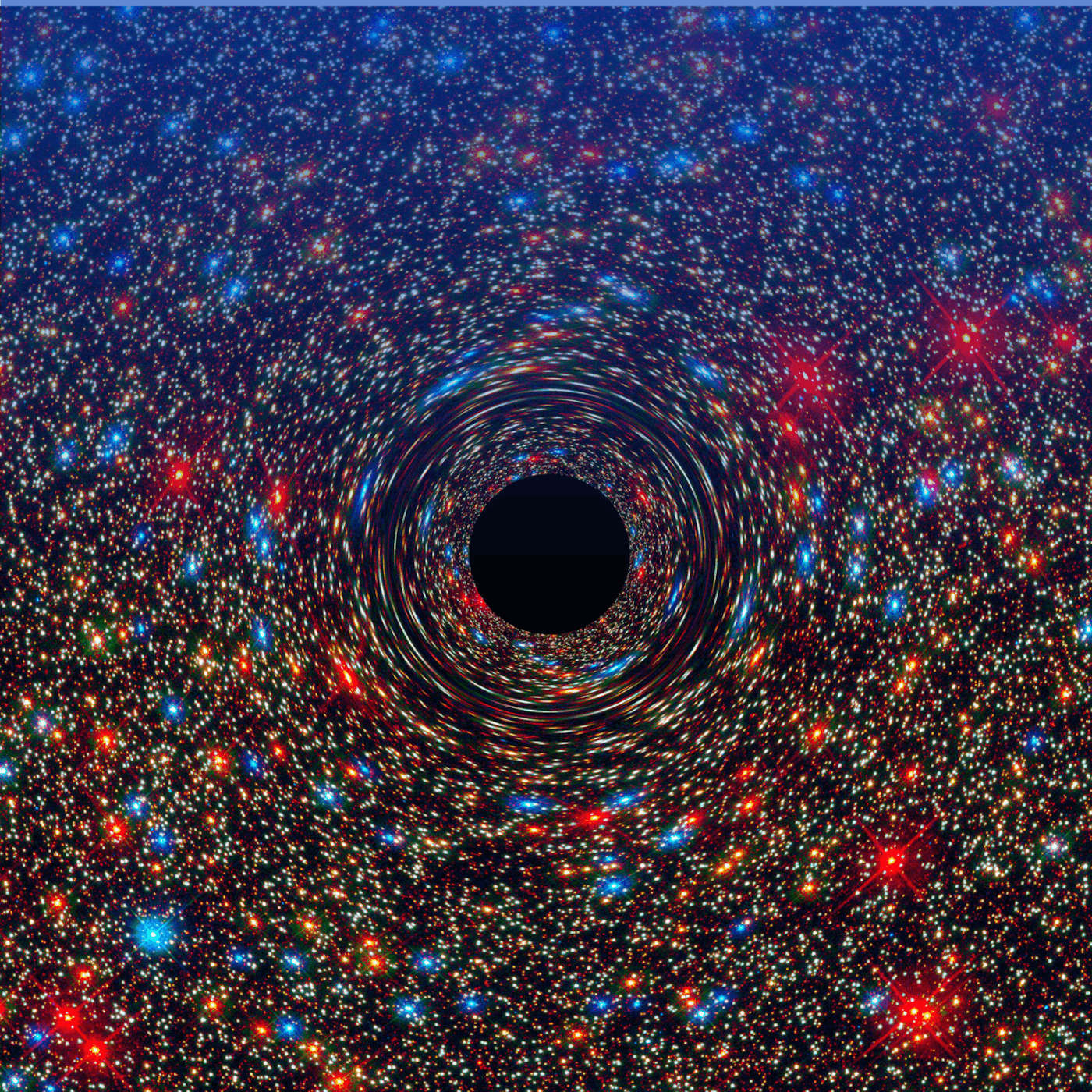
Black holes have been a sci-fi mainstay since the 1970s. But tall tales of space travel, wormholes, and alternate universes get a lot wrong. What’s scientific fact and what’s purely fiction?
There are an estimated 10 septillion—or a trillion trillion—potential planets in the observable universe. So far, we know of only one that hosts life. What will it take to answer the age-old question “Are we alone?”
Satellites, space observatories, and supercomputers have shown astronomers the ingredients needed to form a galaxy. Spoiler: dark matter is a must.
The Sun has always served as humanity’s guiding light and main source of energy. Now, its fusion process could serve as a model for sustainable energy here at home.
This is NOVA Now Universe Revealed
Consuming insects is good for your body and the environment, scientists say.
Curiosity toward cryptocurrency is growing on an international scale. Here’s what that could mean for the future of investing and spending.
Does cannabis’s ubiquity and legalization at the state level mean it’s safe for consumer use?
Are hurricanes getting stronger? More destructive? And is any of this connected to climate change?
With students returning to school during the ongoing pandemic, how can we keep them learning, thriving, and ultimately safe?
Can electric vehicles lessen our carbon emissions and take us to a greener future?
We’ve had safe and effective vaccines for eight months now and yet the pandemic rages on. Here’s the latest on what you should know about variants, boosters, global equity, and how we might contain COVID-19.
What are they, exactly? The answer is out there; just turn to science.
As the Western U.S. faces increasingly drier conditions, discover the technologies being developed to prepare for and cope with drought—especially for vulnerable communities.
What happens to the bodies and minds of athletes, both elite and amateur, when training is put on hold? And how do we all safely ease back into exercise?
The science behind the news.
To properly ring in 2021, we’ll need to understand the neuroscience of getting things done. Meanwhile, Alok took his guests’ favorite motivation songs and turned them into a Spotify playlist.
Satellites from NASA and private companies are making headlines. What’s their history and how might their future affect space and life here on Earth?
Here’s the reality of producing and distributing coronavirus vaccines.
Food! The unifying and edible commodity that connects us all across cultures and generations.
A statistician and a pollster explain the history of political polling, what went wrong in 2016, and how science concepts determine a poll’s accuracy.
Does our fascination with horror actually help us cope with real life?
Discovering the central role of science in the federal court system.
What's wildfire smoke made of and how does it affect our air quality, our bodies, and our overall health?
Can gene-editing technology help create a better coronavirus test?
Are you ready to mail your ballot?
The science behind the news.
Extremophiles, the Deep Sea, and Alien Life with Peter Girguis
November 3, 20251hr 10min
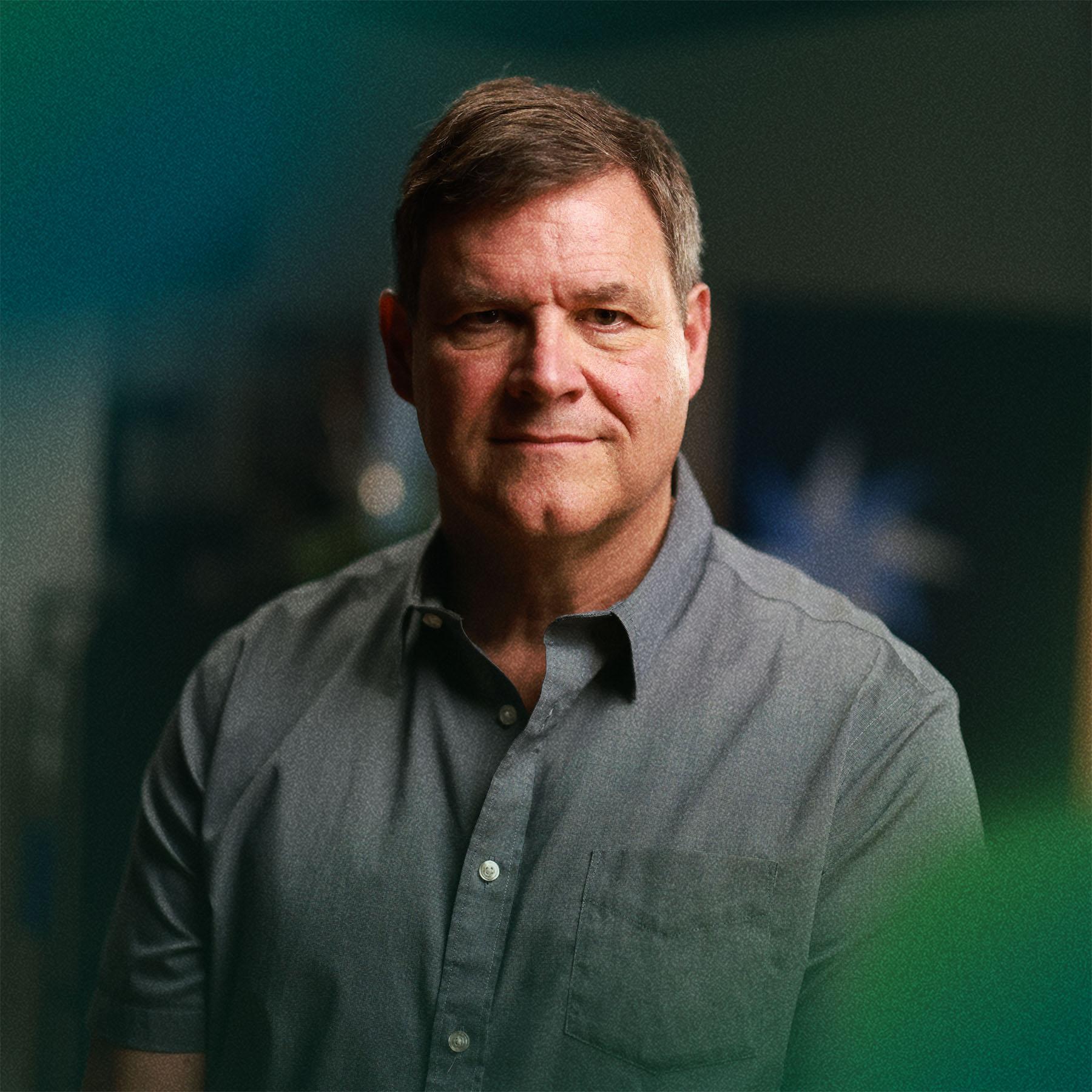
What do deep-sea microbes and Martian “leopard spots” have in common? Marine biologist Peter Girguis thinks they might both hold clues to finding life beyond Earth. In this episode, he joins Hakeem for a journey from the ocean floor to outer space, sharing stories from his dives aboard the Alvin submersible and exploring how Earth’s most extreme lifeforms could help us find the first ETs. Along the way, he explains how Earth is truly a microbial planet — teeming with enough microbes to stretch across the galaxy – reshaping how we think about life, both here and out there.
Learn more aboutNOVA and subscribe to our YouTube channel.
—————————
Guest Bio:
Peter Girguis is a professor of Organismic and Evolutionary Biology at Harvard University. His research focuses on marine organisms, and how they adapt to extreme environments. He also works on developing novel technologies like deep sea autonomous laboratories and microbial fuel cells. Girguis appears in NOVA’s Ancient Earth series
Timestamps
(00:00:00) Microbes Rule the Planet
(00:13:45) Deep Ocean Exploration
(00:36:30) Signs of Life on Mars
(00:54:18) Other Life in Outer Space
(01:01:23) Two Truths and a Lie: Science Headlines