There's More to That
Smithsonian MagazineSmithsonian magazine covers history, science and culture in the way only it can — through a lens on the world that is insightful and grounded in richly reported stories. On There's More to That, meet the magazine's journalists and hear how they discover the forces behind the biggest issues of our time. Every two weeks, There’s More to That will give curious listeners a fresh understanding of the world we all inhabit.
Host Ari Daniel is an independent science journalist who has reported across six continents and contributes regularly to National Public Radio among other outlets. In a previous life, he trained grey seal pups and studied wild Norwegian killer whales. In the fifth grade, Ari won the "Most Contagious Smile" award.
Smithsonian magazine covers history, science and culture in the way only it can — through a lens on the world that is insightful and grounded in richly reported stories. On There's More to That, meet the magazine's journalists and hear how they discover the forces behind the biggest issues of our time. Every two weeks, There’s More to That will give curious listeners a fresh understanding of the world we all inhabit.
Host Ari Daniel is an independent science journalist who has reported across six continents and contributes regularly to National Public Radio among other outlets. In a previous life, he trained grey seal pups and studied wild Norwegian killer whales. In the fifth grade, Ari won the "Most Contagious Smile" award.
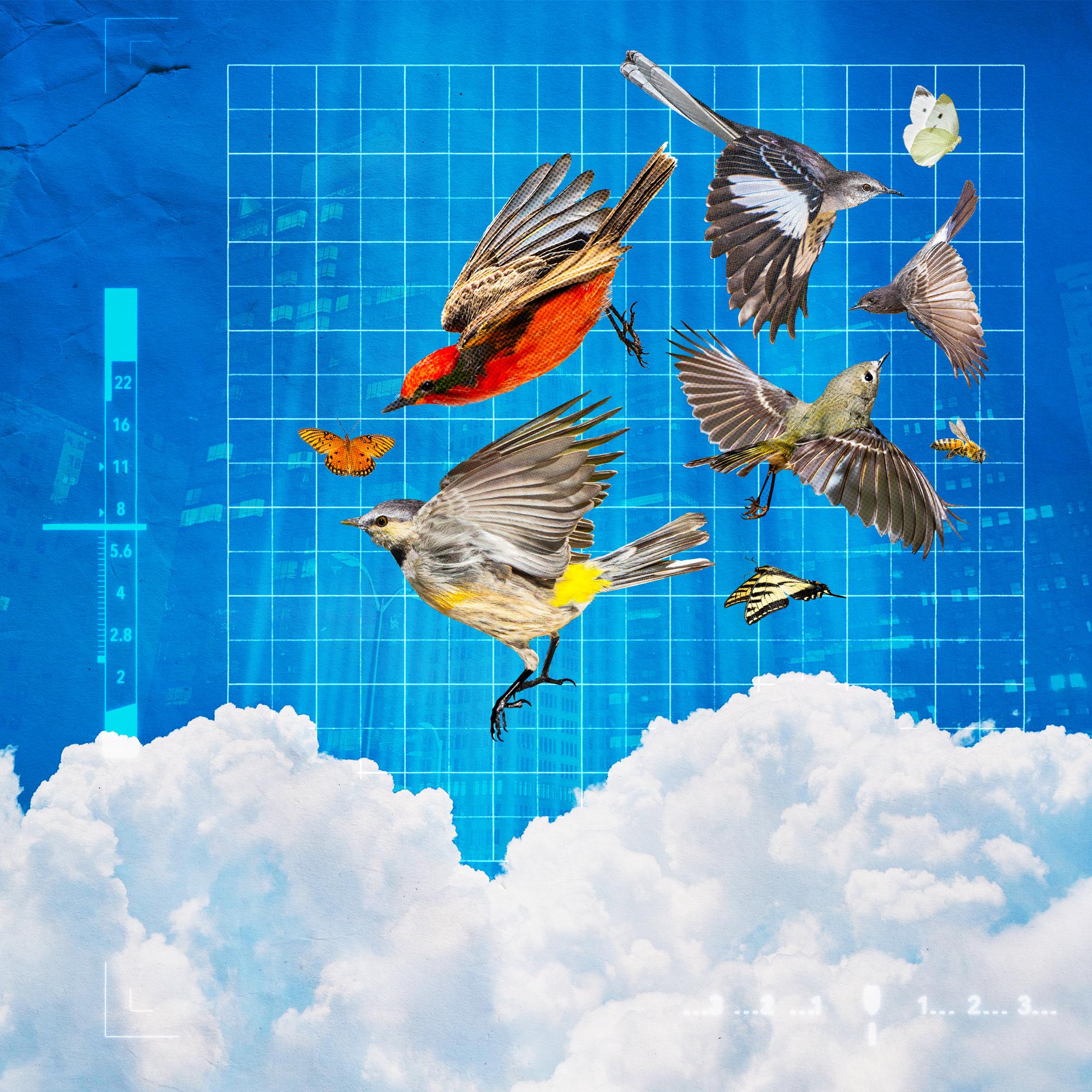







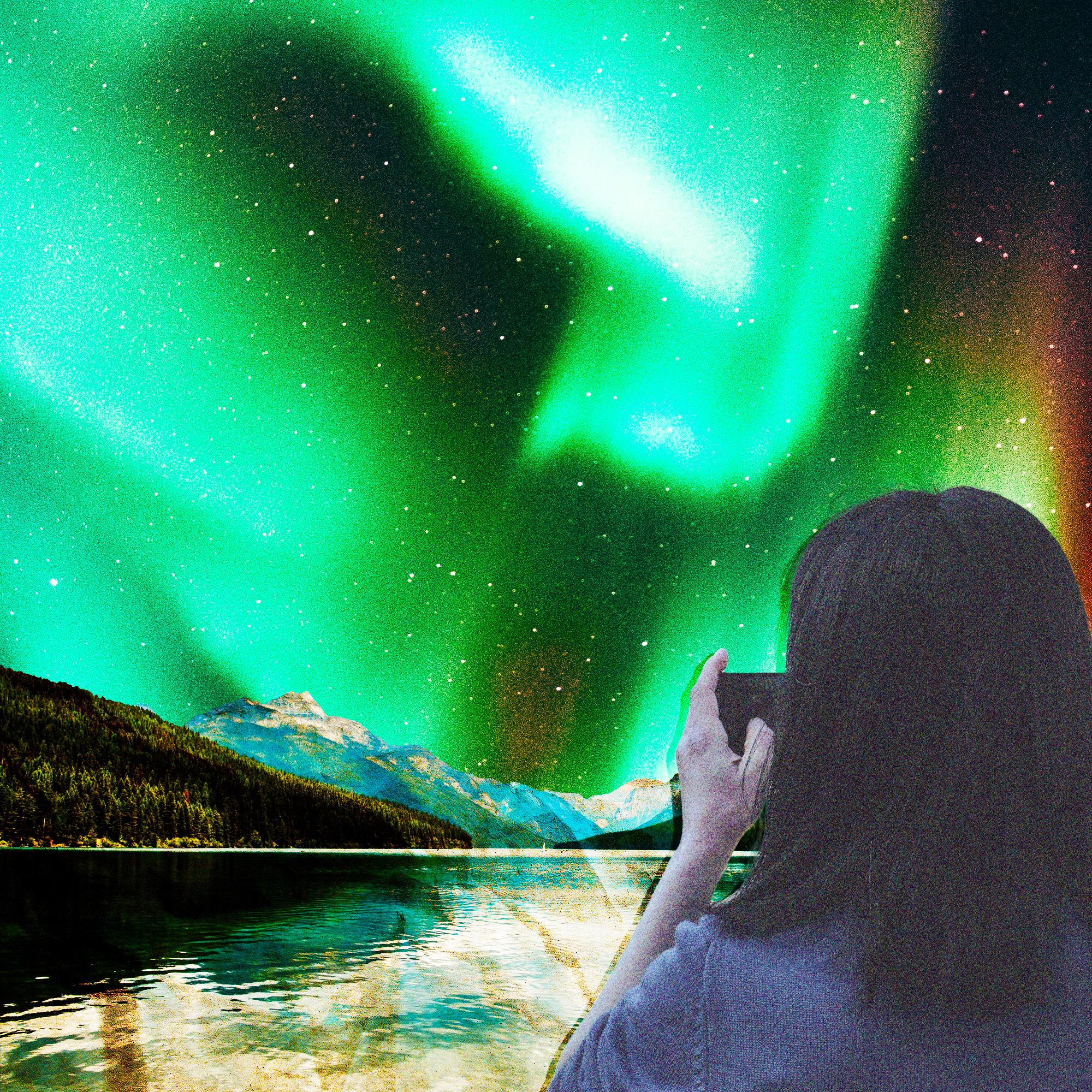








Birds, Bats and Bugs: The Teeming World Above Our Heads
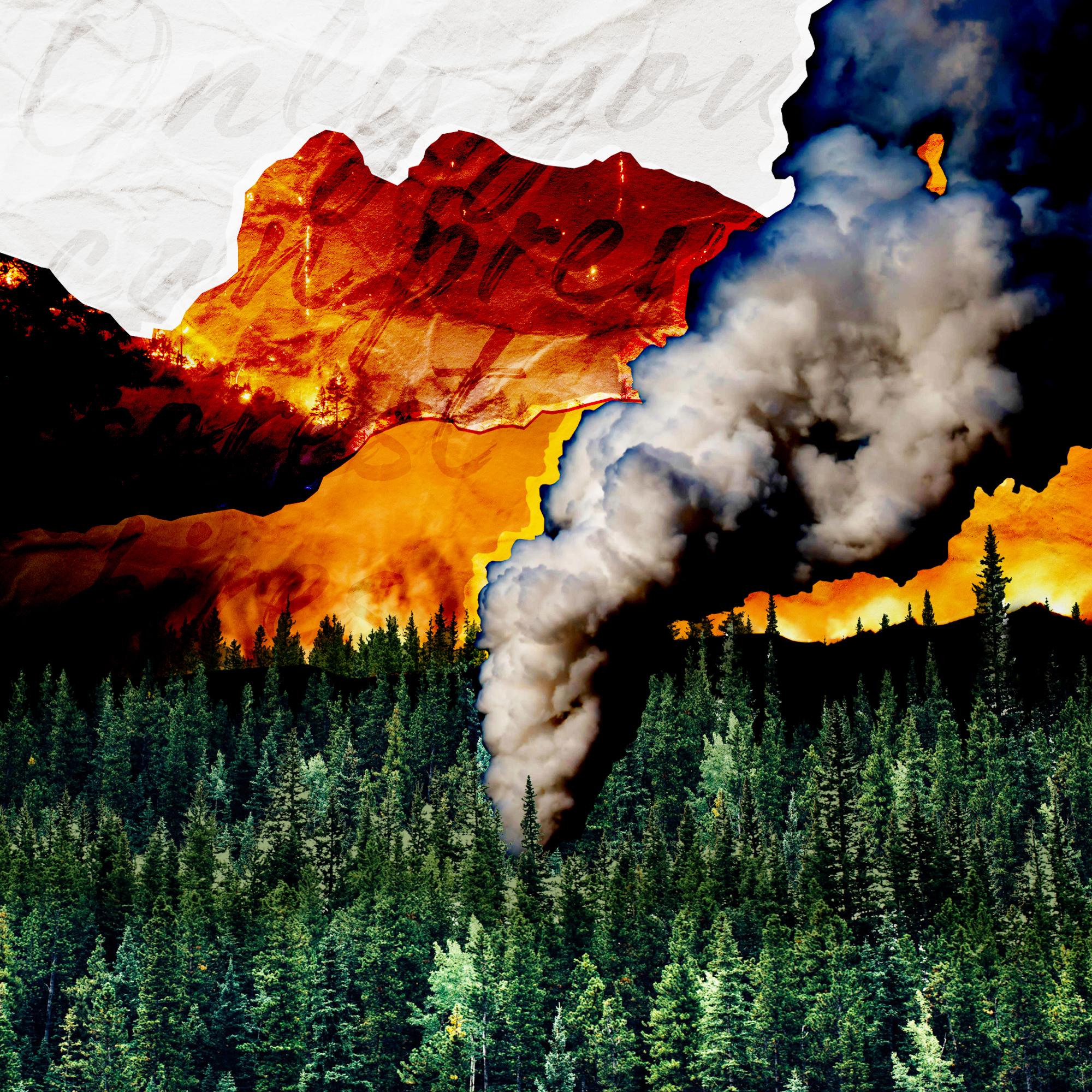
The skies above us are filled with legions of migrating birds, bats, bugs and microbes. And yet we know little about their movements and intentions, mostly because this ethereal world has largely been inaccessible for research. But new technologies are providing a window into how animals use their aerial habitat to travel and hunt.
The burgeoning field is called “aeroecology,” and researchers are revealing just how substantially humans are altering the world overhead—with deadly consequences for flying animals. The new insights are giving us ways to make the air safer for these creatures.
In this episode, host Ari Daniel speaks with Dustin Partridge of the New York City Bird Alliance as he directs the intermittent shutdown of the iconic Tribute in Light to protect disoriented birds during 9/11 this year. And we hear from Smithsonian contributing writer Jim Robbins about what aeroecology is telling us about the ecosystem above.
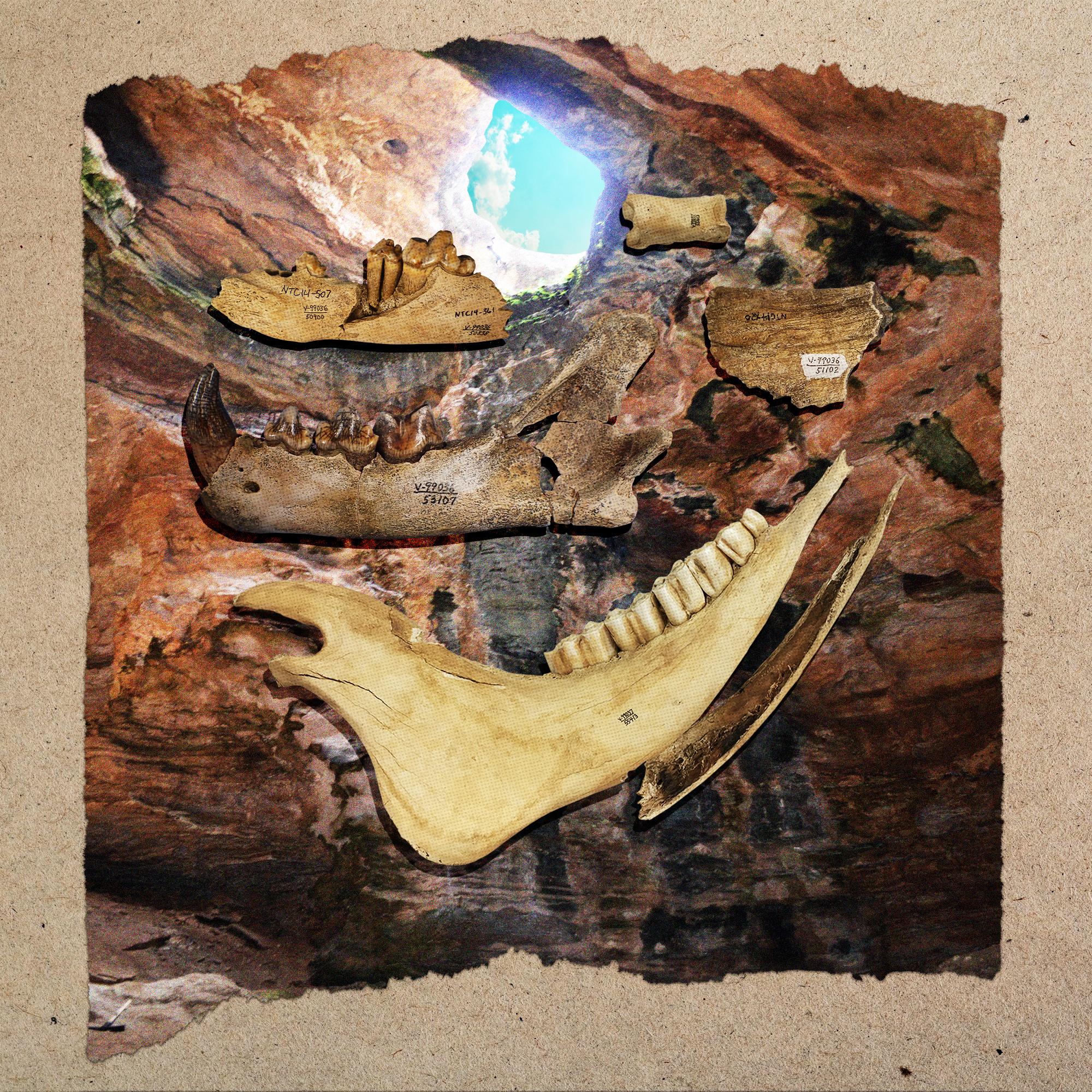
To subscribe to “There’s More to That,” and to listen to past episodes about the army of people devoted to saving native bees, the prehistoric cave that entombed animals for millennia and the sex lives of dinosaurs, find us on Apple Podcasts, Spotify, iHeartRadio or wherever you get your podcasts.
“There’s More to That”is a production of Smithsonian magazine and PRX Productions.
From the magazine, our team is Ari Daniel, Debra Rosenberg and Brian Wolly. From PRX, our team is Jessica Miller, Genevieve Sponsler, Adriana Rosas Rivera, Cleo Levin, Sandra Lopez Monsalve and Edwin Ochoa. The executive producer of PRX Productions is Jocelyn Gonzales.
Fact-checking by Stephanie Abramson. Our music is from APM Music.
Episode artwork by Emily Lankiewicz. Illustration by Emily Lankiewicz / Photos by malik / Jim via Adobe Stock / Dina Litovsky and public domain.