Lost Women of Science
Lost Women of ScienceFor every Marie Curie or Rosalind Franklin whose story has been told, hundreds of female scientists remain unknown to the public at large. In this series, we illuminate the lives and work of a diverse array of groundbreaking scientists who, because of time, place and gender, have gone largely unrecognized. Each season we focus on a different scientist, putting her narrative into context, explaining not just the science but also the social and historical conditions in which she lived and worked. We also bring these stories to the present, painting a full picture of how her work endures.
For every Marie Curie or Rosalind Franklin whose story has been told, hundreds of female scientists remain unknown to the public at large. In this series, we illuminate the lives and work of a diverse array of groundbreaking scientists who, because of time, place and gender, have gone largely unrecognized. Each season we focus on a different scientist, putting her narrative into context, explaining not just the science but also the social and historical conditions in which she lived and worked. We also bring these stories to the present, painting a full picture of how her work endures.
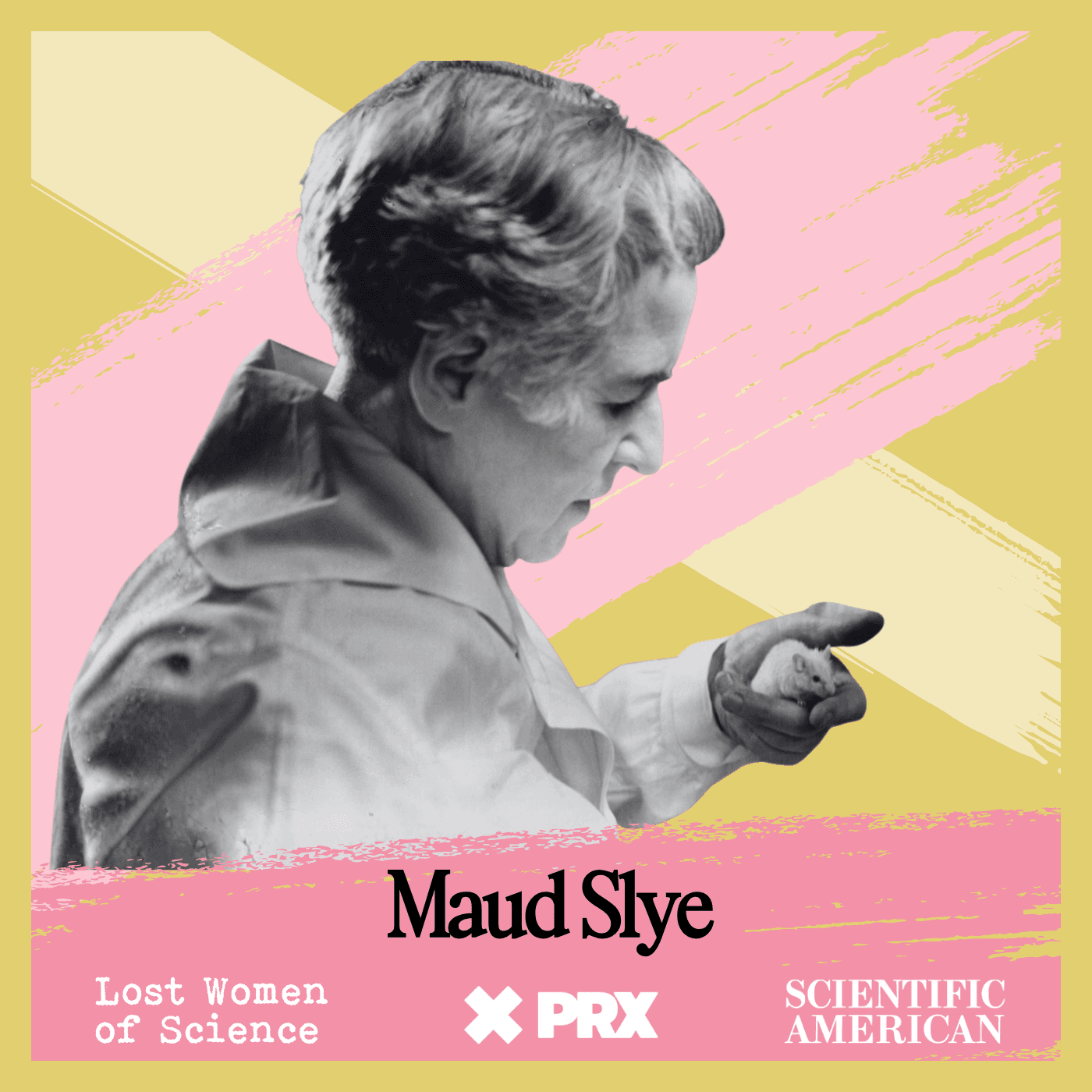
































The Mouse Lady
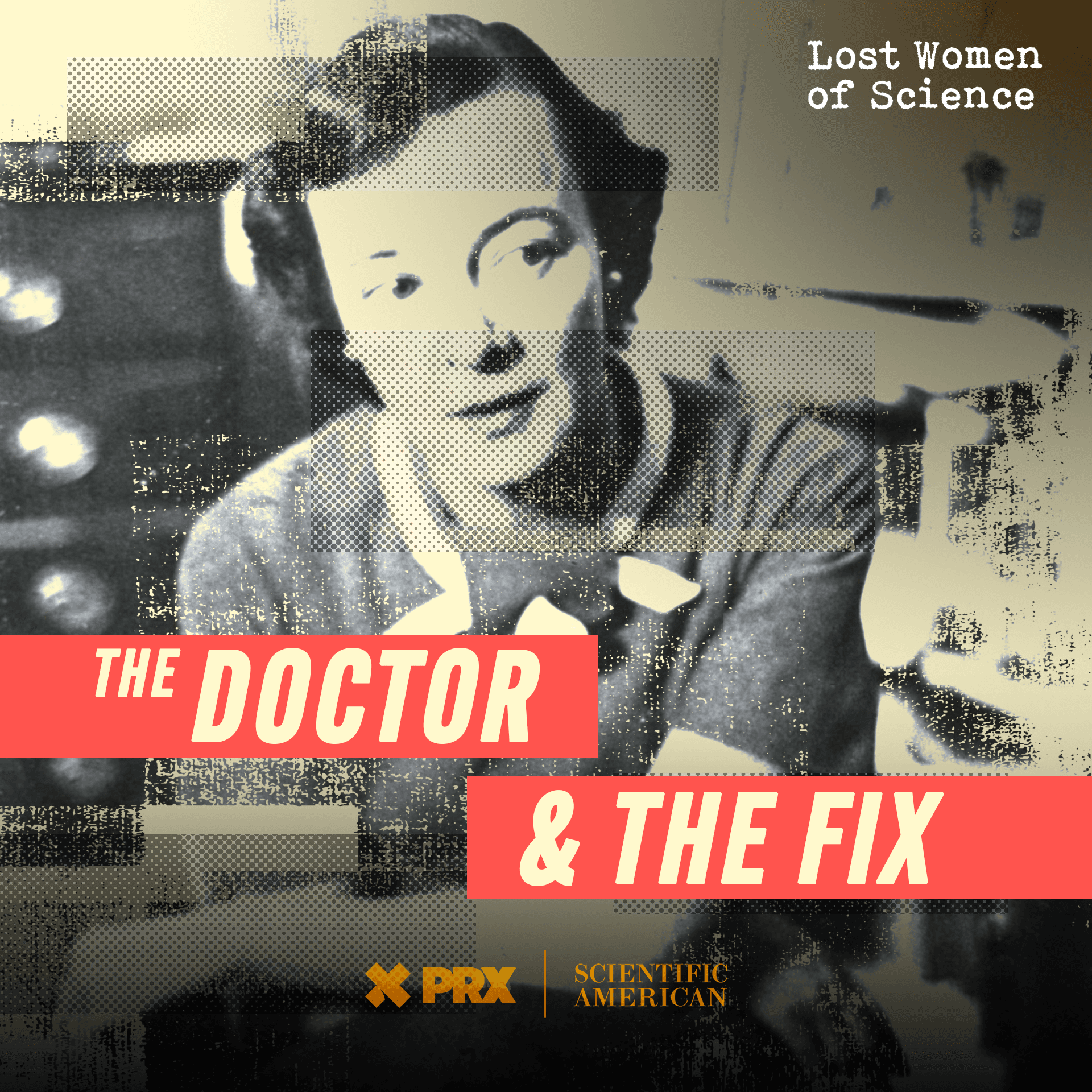
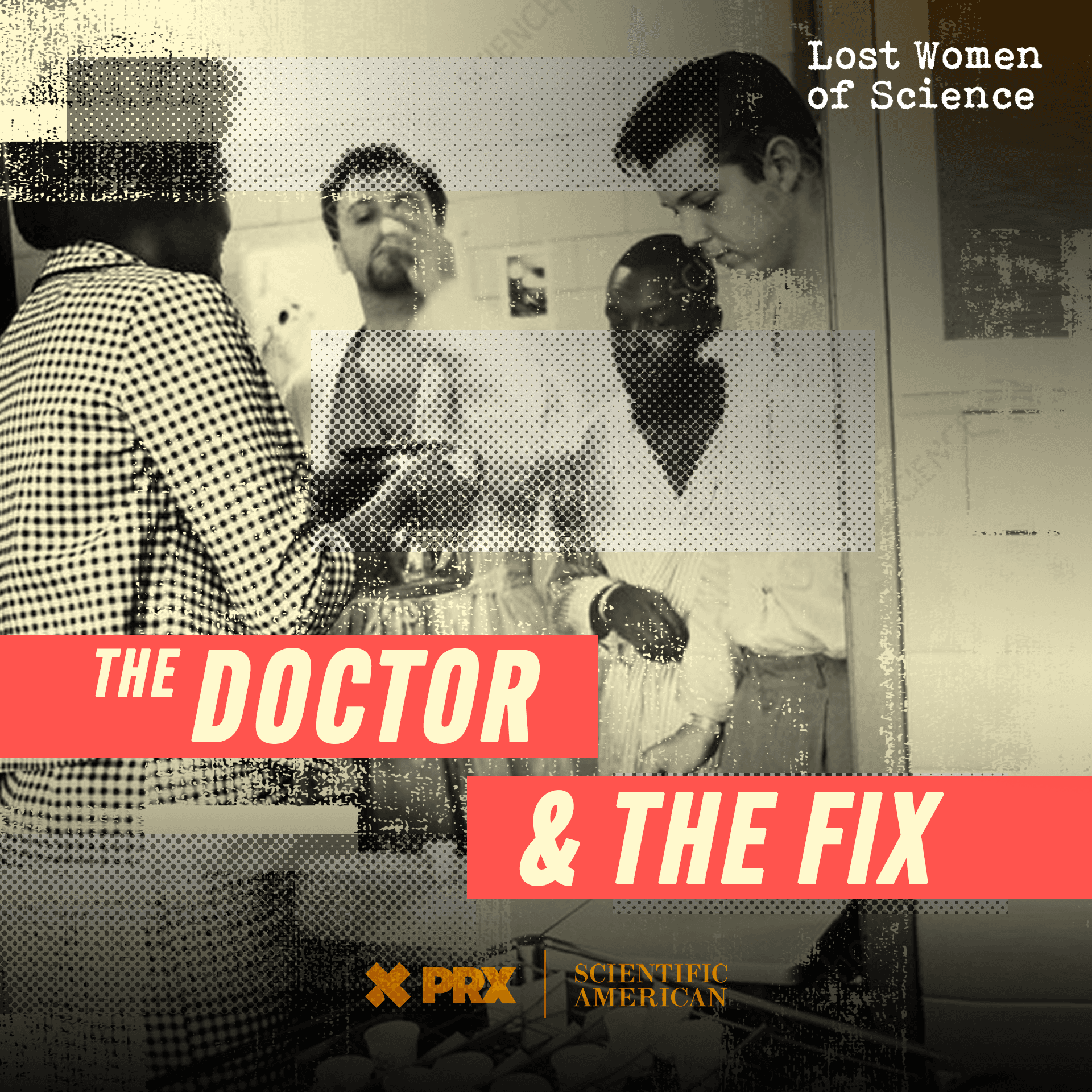
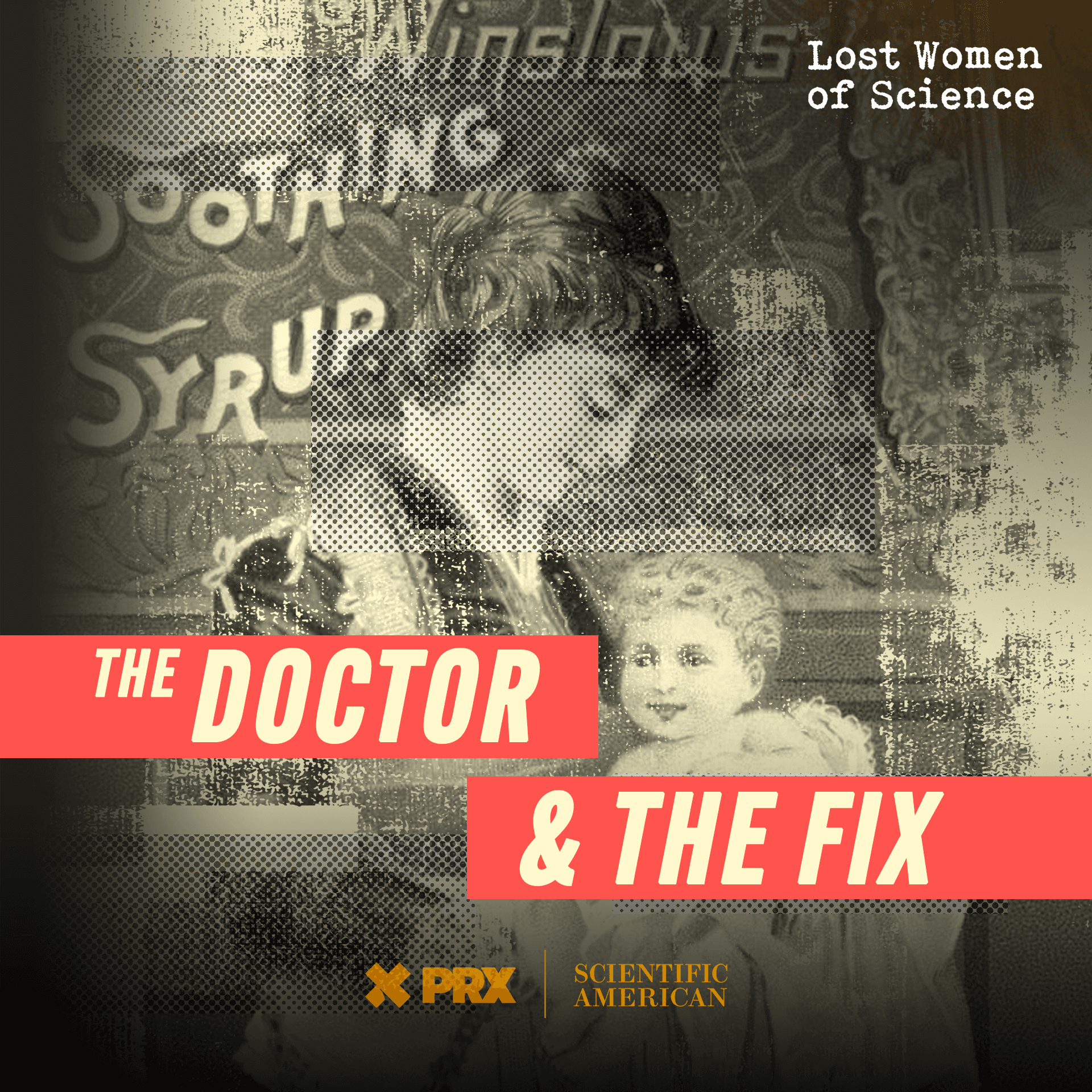
In the 1910s, a relatively unknown cancer researcher named Maud Slye announced the first results of a study with the loftiest ambitions: to identify what causes cancer. To answer that question, the University of Chicago geneticist had bred tens of thousands of mice, enough to fill a three-story building. She carefully documented their ancestry and their morbidities and performed autopsies. And to Slye, her findings were clear: vulnerability to cancer was hereditary. If we wanted to, we could eliminate it. But Slye made some crucial mistakes along the way—and a number of enemies.
Learn about your ad choices: dovetail.prx.org/ad-choices