How God Works: The Science Behind Spirituality
PRXWhile religion and science often seem at odds, there’s one thing they can agree on: people who take part in spiritual practices tend to live longer, healthier, and happier lives. The big question is: Why? In How God Works, professor Dave DeSteno takes us on a journey to find out how spirituality impacts our minds and bodies, as well as the world in which we live.
He speaks to leading scientists and philosophers, religious thinkers, and thought leaders to explore what we can learn from the world’s faith traditions to help us meet some of life’s biggest challenges. Along the way, he’ll look at how we can adapt and use spiritual practices in our own lives, whatever our beliefs, including none at all.
It’s by working across the boundaries that usually divide us – science versus religion, one faith versus another – that we’ll find new ways to make life better for everyone.
While religion and science often seem at odds, there’s one thing they can agree on: people who take part in spiritual practices tend to live longer, healthier, and happier lives. The big question is: Why? In How God Works, professor Dave DeSteno takes us on a journey to find out how spirituality impacts our minds and bodies, as well as the world in which we live.
He speaks to leading scientists and philosophers, religious thinkers, and thought leaders to explore what we can learn from the world’s faith traditions to help us meet some of life’s biggest challenges. Along the way, he’ll look at how we can adapt and use spiritual practices in our own lives, whatever our beliefs, including none at all.
It’s by working across the boundaries that usually divide us – science versus religion, one faith versus another – that we’ll find new ways to make life better for everyone.




DIY Spirituality?
About 70% of all Americans consider themselves spiritual in some way, whether it be a belief in the soul, spirits or just the idea that something's going on beyond the natural world and what science can prove. But that doesn't mean they're ordering off the menu of organized religion.
In this episode, we’ll talk to religion professor Liz Bucar, about this “spiritual salad bar” approach: where people pick and choose ingredients from various religions. What’s lost if we take these traditions out of their intended context? And could it even be causing harm?
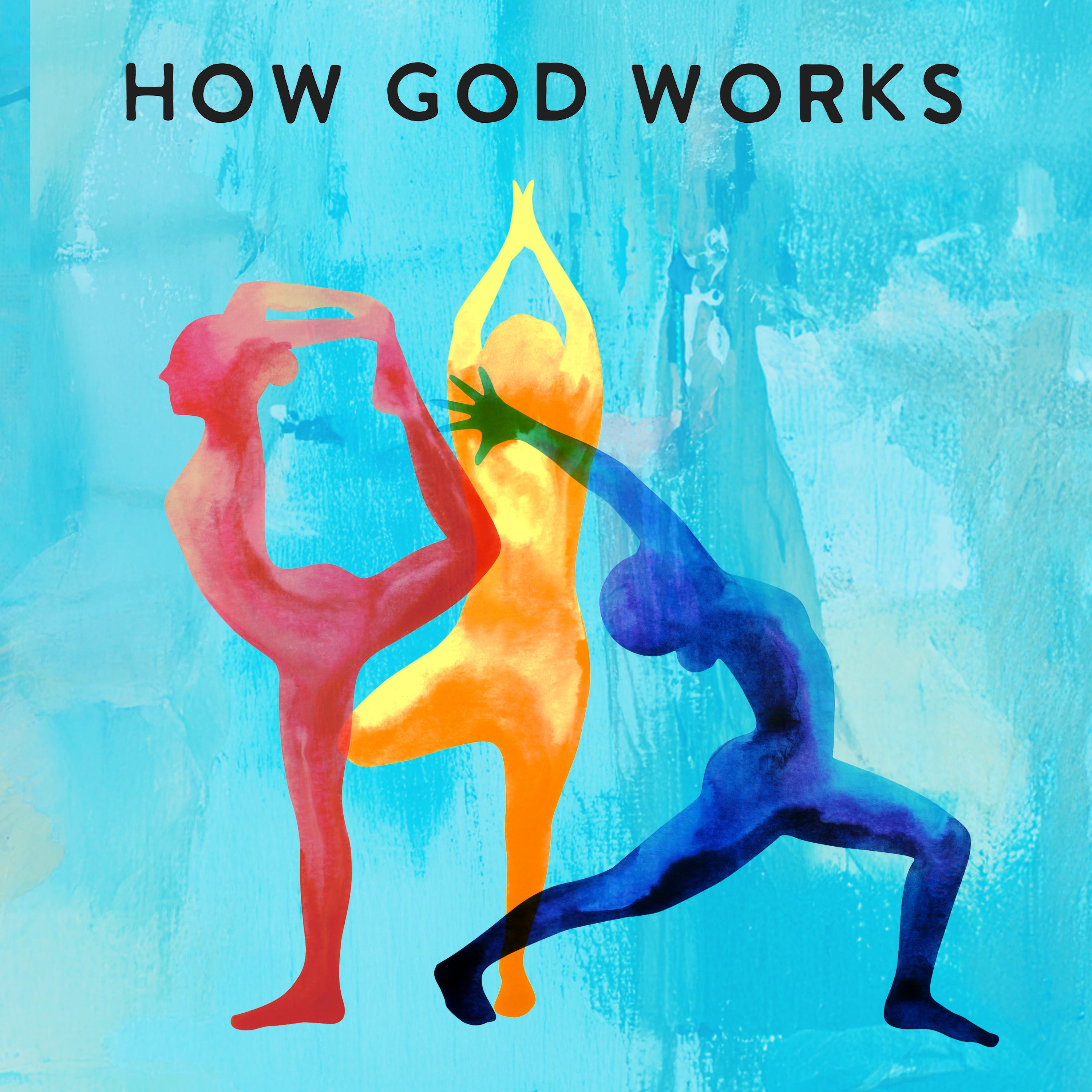
We’ll explore this through the lens of yoga - practiced by one in every six Americans alive today.
Practicing yoga regularly does have proven health benefits, but it’s rooted in a much deeper spiritual and religious tradition that many people aren’t even aware of. With Liz, we’ll explore how restoring some religion to secular or new age spiritual practices can make them more ethical, meaningful and effective.
Liz Bucar is a professor of religion at Northeastern University. She is the author of four books and her writing, teaching, and public lectures cover a wide range of topics but generally focus on how a deeper understanding of religious difference can change our sense of what is right and good. She is the author of the forthcoming book Beyond Wellness, which you can pre-order here. Learn more about her work on her website.