
Division Street Revisited
Mary SchmichPulitzer Prize winner Mary Schmich traces the lives of seven people in Studs Terkel’s first book of oral history: A Black public school janitor; a Lithuanian tavern owner; an Appalachian mother of 15; a closeted gay actor; a Native American activist; a Black labor leader; and a prominent white woman in Chicago high society. What happened to them? To their children? To their dreams?
Pulitzer Prize winner Mary Schmich traces the lives of seven people in Studs Terkel’s first book of oral history: A Black public school janitor; a Lithuanian tavern owner; an Appalachian mother of 15; a closeted gay actor; a Native American activist; a Black labor leader; and a prominent white woman in Chicago high society. What happened to them? To their children? To their dreams?

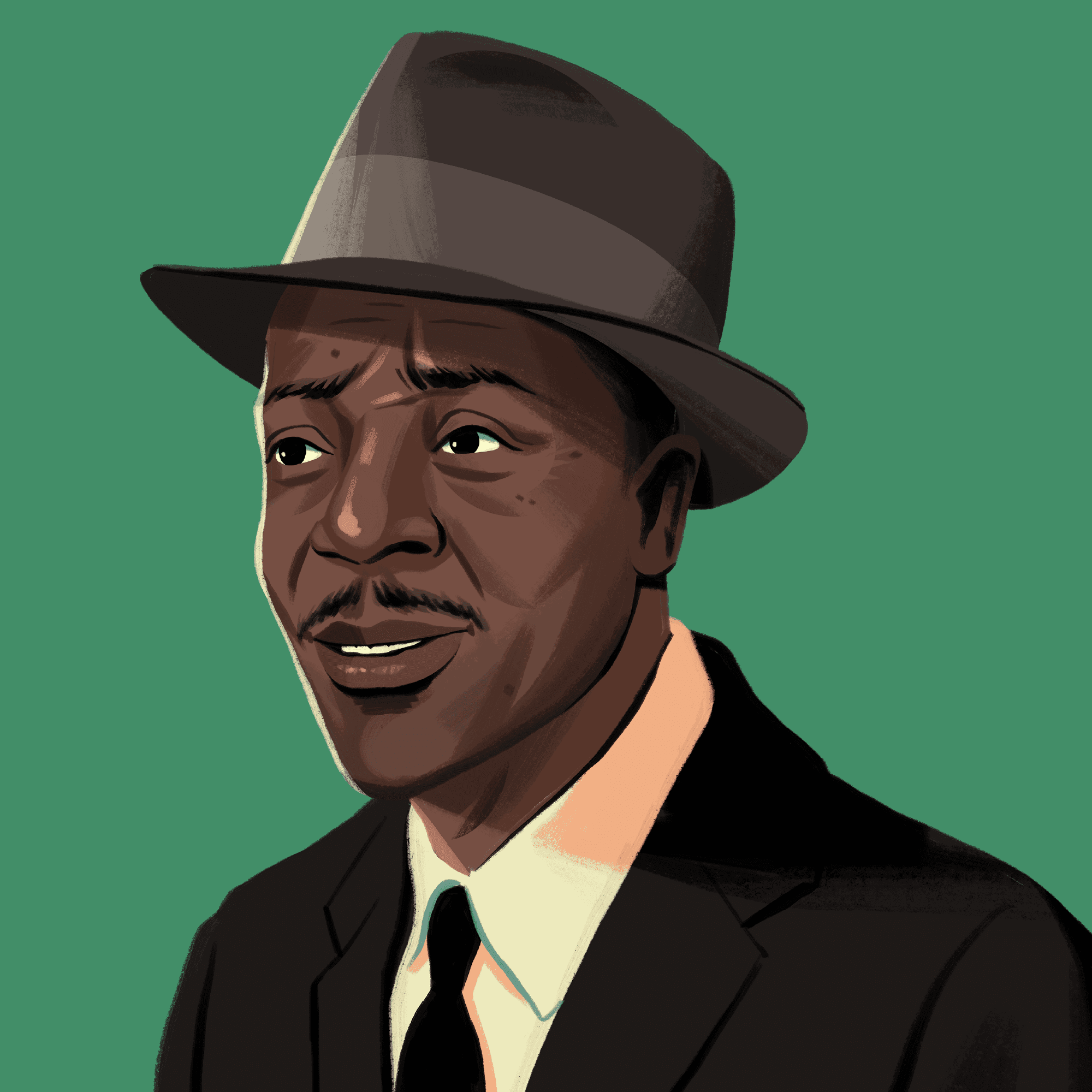
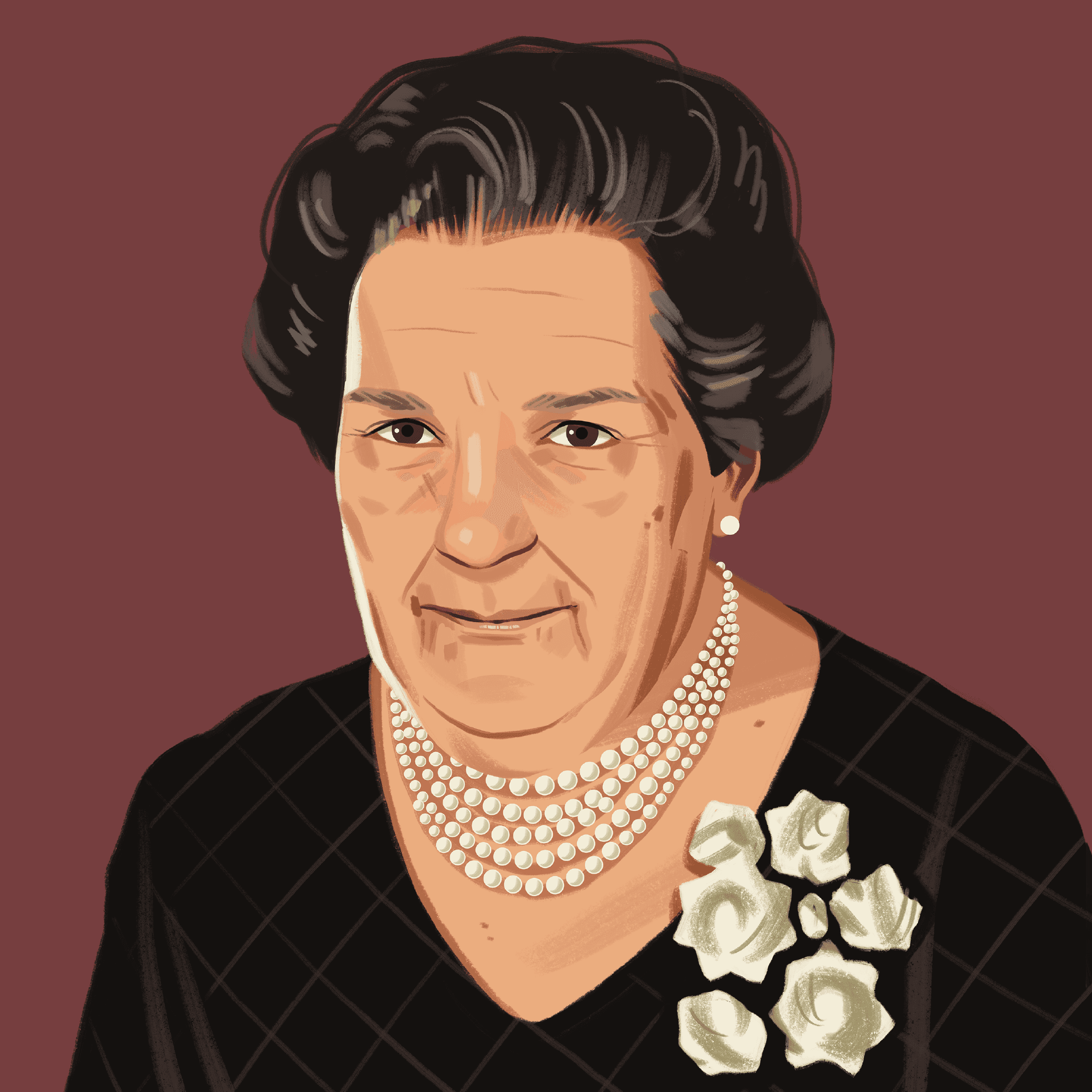




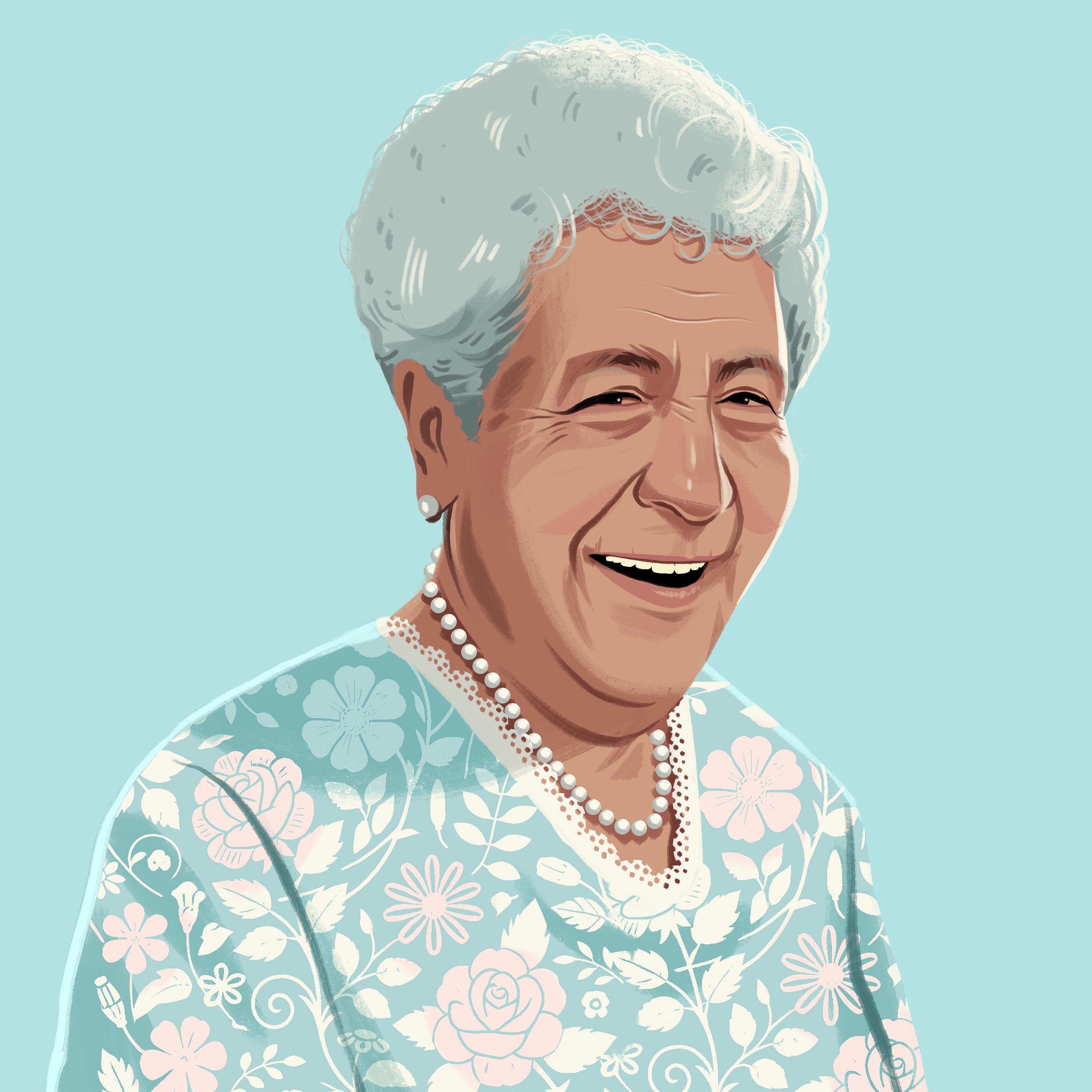
Leon Beverly: Mr. Beverly, Can You Help?
Leon Beverly came to Chicago as a child, in the first wave of the Great Migration of Black Americans moving up from the South. He established himself in the hog kill department at the Chicago Stockyards and quickly became a leader in the union. Leon was known for fixing problems – for co-workers, neighbors and friends, though he struggled to fix his own. He was also a piano player who believed in the power of music to create hope. Leon’s legacy is strong within his children, including a daughter who serves as a board member of the Chicago Teachers Union.
Executive Producers: Melissa Harris and Mary Schmich
Writer/Host: Mary Schmich
Producer: Bill Healy
Editors: Cate Cahan and Mark Jacob
Sound Designer/Audio Engineer: Libby Lussenhop
Associate Producer/Dialogue Editor: Chijioke Williams
Music Director/Composer: Chris Walz
For more information, visit divisionstreetrevisited.com.